Ausfall des YouTube-Empfehlungssystems legt Startseite für 320'000 Nutzer weltweit lahm
Ein Versagen von YouTubes Empfehlungsalgorithmus machte Startseite, App und TV-Dienst am Dienstagabend für rund zwei Stunden faktisch unbenutzbar.
Feb 18, 2026, 05:35 AM
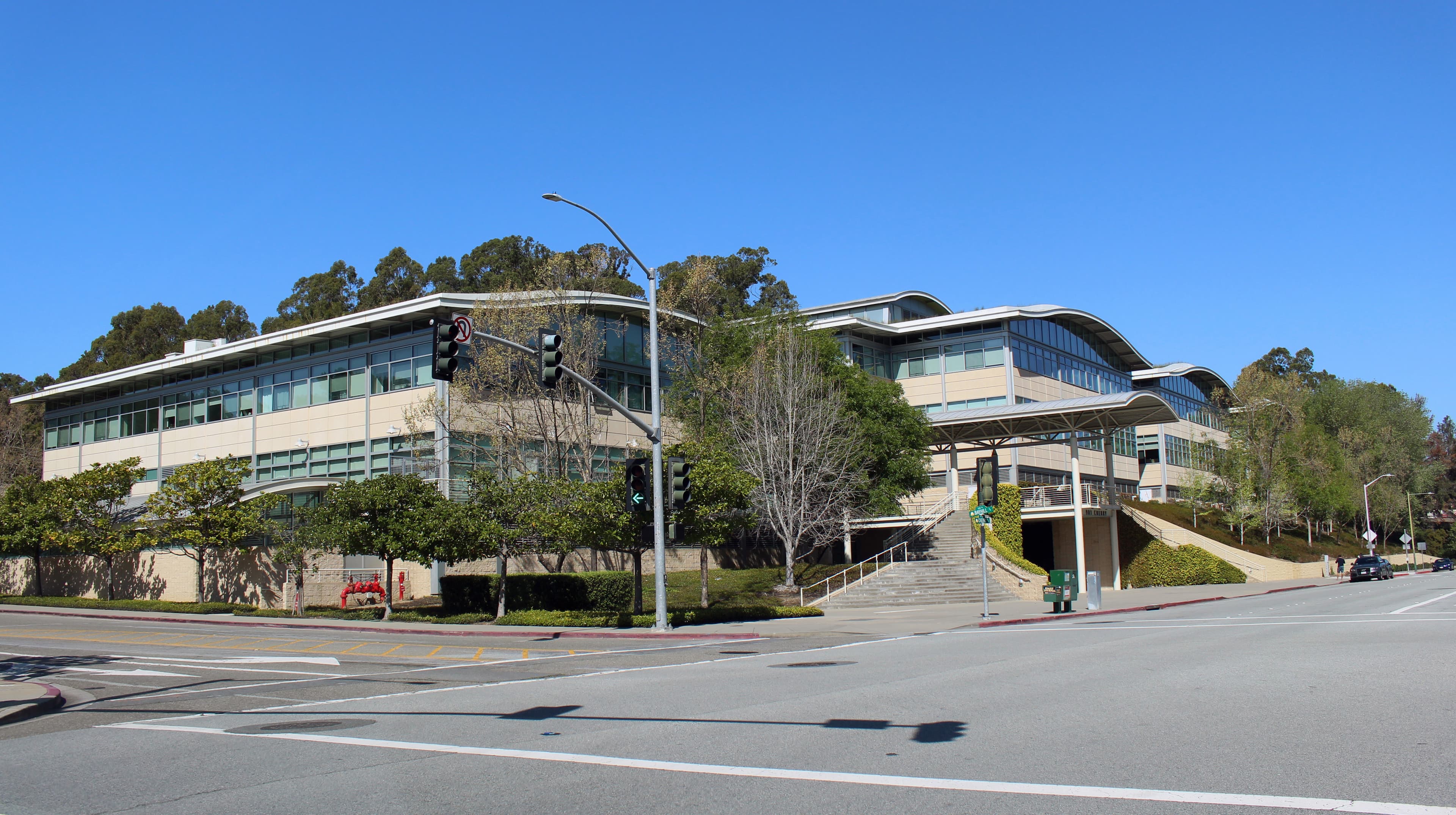
Am Dienstagabend verwandelten sich die Bildschirme von Millionen YouTube-Nutzern weltweit in leere weisse Flächen. Wo normalerweise ein endloser Strom personalisierter Videoempfehlungen zum Verweilen einlud, herrschte plötzlich Stille — eine digitale Leere, die mehr als 320'000 Nutzer allein in den Vereinigten Staaten betraf und die fundamentale Abhängigkeit der weltweit grössten Videoplattform von einem einzigen algorithmischen System offenlegte YouTube Outage Affects Homepage, App, YouTube TV & More; Issue Resolved After Fix To “Recommendation System”deadline.com·SecondaryYouTube is addressing the issue that took the service down for some users for a couple of hours. Many users took to social media to complain that YouTube was not loading certain videos. The digital media platform was inundated with reports that some users were not able to stream videos on the site. “If you’re having trouble accessing YouTube right now, you’re not alone — our teams are looking into this,” TeamYouTube posted on X, the microblogging platform formerly known as Twitter..
Der Ausfall begann gegen 17 Uhr pazifischer Zeit am 17. Februar und erfasste innerhalb von Minuten sämtliche YouTube-Oberflächen: die Startseite, die mobile App, YouTube Music, YouTube Kids und YouTube TV. Was zunächst wie ein gewöhnlicher Serverausfall wirkte, entpuppte sich als etwas Spezifischeres und in gewisser Hinsicht Beunruhigenderes — ein Totalversagen des Empfehlungsalgorithmus, jenes unsichtbaren Räderwerks, das bestimmt, welche Inhalte den geschätzten 2,7 Milliarden monatlich aktiven Nutzern der Plattform angezeigt werden YouTube Outage Affects Homepage, App, YouTube TV & More; Issue Resolved After Fix To “Recommendation System”deadline.com·SecondaryYouTube is addressing the issue that took the service down for some users for a couple of hours. Many users took to social media to complain that YouTube was not loading certain videos. The digital media platform was inundated with reports that some users were not able to stream videos on the site. “If you’re having trouble accessing YouTube right now, you’re not alone — our teams are looking into this,” TeamYouTube posted on X, the microblogging platform formerly known as Twitter..
«If you're having trouble accessing YouTube right now, you're not alone — our teams are looking into this», postete das offizielle TeamYouTube-Konto auf der Plattform X kurz nach Beginn der Störung YouTube Outage Affects Homepage, App, YouTube TV & More; Issue Resolved After Fix To “Recommendation System”deadline.com·SecondaryYouTube is addressing the issue that took the service down for some users for a couple of hours. Many users took to social media to complain that YouTube was not loading certain videos. The digital media platform was inundated with reports that some users were not able to stream videos on the site. “If you’re having trouble accessing YouTube right now, you’re not alone — our teams are looking into this,” TeamYouTube posted on X, the microblogging platform formerly known as Twitter.. Rund fünfundzwanzig Minuten später folgte eine präzisere Diagnose: Ein Problem mit dem Empfehlungssystem habe dazu geführt, dass Videos auf allen YouTube-Oberflächen nicht mehr angezeigt würden YouTube Goes Down: Platform Experiences Technical Issue with Recommendation Systemvariety.com·SecondaryYouTube went down on Tuesday night, with more than 300,000 users experiencing technical difficulties, according to DownDetector. Problems for the digital video platform began around 5 p.m. PT, and some users saw services partially restored as early as about 6:00 p.m. PT..
Die technische Nuance ist aufschlussreich: YouTube war nicht im eigentlichen Sinne «down». Die Server liefen weiter, Nutzer konnten über direkte Links oder ihre Abo-Feeds weiterhin Videos abspielen, und auch die Werbung lief störungsfrei weiter YouTube Goes Down: Platform Experiences Technical Issue with Recommendation Systemvariety.com·SecondaryYouTube went down on Tuesday night, with more than 300,000 users experiencing technical difficulties, according to DownDetector. Problems for the digital video platform began around 5 p.m. PT, and some users saw services partially restored as early as about 6:00 p.m. PT.. Was zusammenbrach, war die Entdeckungsschicht — jene algorithmische Infrastruktur, die für die meisten Nutzer gleichbedeutend mit YouTube selbst ist. Ohne Empfehlungen verwandelt sich die Plattform von einem scheinbar unbegrenzten Unterhaltungsuniversum in eine stumme Suchmaschine, die darauf wartet, dass man ihr sagt, was man sehen möchte.
Downdetector, die crowdbasierte Plattform zur Störungserfassung, registrierte gegen 20 Uhr Ostküstenzeit einen Höchststand von über 320'000 Meldungen in den USA YouTube Outage Affects Homepage, App, YouTube TV & More; Issue Resolved After Fix To “Recommendation System”deadline.com·SecondaryYouTube is addressing the issue that took the service down for some users for a couple of hours. Many users took to social media to complain that YouTube was not loading certain videos. The digital media platform was inundated with reports that some users were not able to stream videos on the site. “If you’re having trouble accessing YouTube right now, you’re not alone — our teams are looking into this,” TeamYouTube posted on X, the microblogging platform formerly known as Twitter.. Berichte kamen aus aller Welt: Nutzer in Indien, Grossbritannien, Australien, Argentinien und Mexiko bestätigten gleichartige Unterbrechungen YouTube Outage Affects Homepage, App, YouTube TV & More; Issue Resolved After Fix To “Recommendation System”deadline.com·SecondaryYouTube is addressing the issue that took the service down for some users for a couple of hours. Many users took to social media to complain that YouTube was not loading certain videos. The digital media platform was inundated with reports that some users were not able to stream videos on the site. “If you’re having trouble accessing YouTube right now, you’re not alone — our teams are looking into this,” TeamYouTube posted on X, the microblogging platform formerly known as Twitter.. Das globale Ausmass der Störung verdeutlicht, wie tief YouTube in die täglichen Medienkonsumgewohnheiten auf sämtlichen Kontinenten eingebettet ist.
Innerhalb von etwa zwei Stunden war das Problem behoben. Gegen 18 Uhr pazifischer Zeit funktionierte die Startseite wieder, und um 21:26 Uhr Ostküstenzeit erklärte YouTube das Empfehlungssystem auf allen Plattformen für vollständig wiederhergestellt . Google, Mutterkonzern von YouTube, lehnte es ab, weitere technische Details zur Ursache des Ausfalls mitzuteilen YouTube Outage Affects Homepage, App, YouTube TV & More; Issue Resolved After Fix To “Recommendation System”deadline.com·SecondaryYouTube is addressing the issue that took the service down for some users for a couple of hours. Many users took to social media to complain that YouTube was not loading certain videos. The digital media platform was inundated with reports that some users were not able to stream videos on the site. “If you’re having trouble accessing YouTube right now, you’re not alone — our teams are looking into this,” TeamYouTube posted on X, the microblogging platform formerly known as Twitter..
Für Kritiker der algorithmisch getriebenen Plattformarchitektur lieferte der Vorfall ein unfreiwilliges Anschauungsbeispiel. Die Tatsache, dass YouTubes Startseite ohne funktionierendes Empfehlungssystem schlicht unbenutzbar ist, wirft Fragen auf, die über einen einzelnen Ausfall hinausreichen. Ist es akzeptabel, dass eine Plattform, die für Milliarden von Menschen zur primären Videoquelle geworden ist, von einem einzelnen Systemausfall derart lahmgelegt werden kann?
Es war nicht der erste grössere Ausfall in jüngster Zeit. Am 19. Dezember 2025 dokumentierte die Netzwerk-Überwachungsfirma ThousandEyes eine breitere Google- und YouTube-Störung, die rund 90 Minuten andauerte und Dienste weltweit intermittierend mit Fehlermeldungen oder Zeitüberschreitungen beantwortete. Jener Vorfall deutete auf Probleme auf Service-Ebene hin, nicht auf Konnektivitätsprobleme zu Googles Webservern.
Die wiederkehrende Natur dieser Störungen hat Branchenanalysten auf den Plan gerufen, die fragen, ob die zunehmende Komplexität von Empfehlungsalgorithmen — die gleichzeitig Echtzeit-Nutzerverhalten, Content-Metadaten, Anforderungen von Werbetreibenden und regulatorische Compliance-Signale verarbeiten müssen — neue Kategorien systemischer Risiken schafft. YouTubes Empfehlungsmotor gilt als eines der ausgefeiltesten maschinellen Lernsysteme im kommerziellen Einsatz, aufbauend auf tiefen neuronalen Netzwerken, die erstmals in einem wegweisenden Google-Forschungspapier von 2016 beschrieben und seither kontinuierlich weiterentwickelt wurden.
Für YouTubes riesige Creator-Community hat selbst ein zweistündiger Ausfall reale wirtschaftliche Folgen. Die überwiegende Mehrheit der Zuschauerzahlen von YouTube-Erstellern stammt aus algorithmischen Empfehlungen — Platzierungen auf der Startseite und in der Vorschlagsleiste generieren weit mehr Traffic als direkte Suchen oder Abo-Benachrichtigungen. Ein Ausfall während der abendlichen Hauptsendezeit in den USA — genau dann, als die Störung eintrat — bedeutet verlorene Aufrufe, entgangene Werbeeinnahmen und gestörte Premiere-Zeitpläne für Creator, die ihre Veröffentlichungen auf Spitzenzeiten abgestimmt hatten.
YouTube-TV-Abonnenten traf es besonders hart. Eine Untergruppe von Nutzern berichtete, sich überhaupt nicht mehr beim Live-Fernsehdienst anmelden zu können — ein Problem, das YouTube als «related to the broader issue across YouTube» bestätigte YouTube Outage Affects Homepage, App, YouTube TV & More; Issue Resolved After Fix To “Recommendation System”deadline.com·SecondaryYouTube is addressing the issue that took the service down for some users for a couple of hours. Many users took to social media to complain that YouTube was not loading certain videos. The digital media platform was inundated with reports that some users were not able to stream videos on the site. “If you’re having trouble accessing YouTube right now, you’re not alone — our teams are looking into this,” TeamYouTube posted on X, the microblogging platform formerly known as Twitter.. Für Haushalte, die traditionelles Kabelfernsehen durch YouTube TV ersetzt haben, ist ein Login-Ausfall während des Abendprogramms funktional gleichbedeutend mit dem Verlust ihres Fernsehzugangs.
Skeptiker der Plattformökonomie argumentieren seit Langem, dass die Konzentration der Videoverteilung auf eine einzige Plattform eine Fragilität erzeugt, die in anderen kritischen Infrastrukturbereichen inakzeptabel wäre. Wenn ein Elektrizitätswerk einen Ausfall erleidet, verlangen Regulierungsbehörden Ursachenanalysen und öffentliche Rechenschaft. Wenn YouTube für Hunderttausende ausfällt — mit Auswirkungen auf die Existenzgrundlage einzelner Creator bis hin zu Live-TV-Abonnenten —, postet das Unternehmen eine fröhliche Nachricht auf X und geht zur Tagesordnung über.
Die breitere Technologiebranche wird den Vorfall vom Dienstag als weiteren Datenpunkt in einer laufenden Debatte über algorithmische Abhängigkeit betrachten. YouTubes schnelle Behebung des Problems — rund zwei Stunden von den ersten Meldungen bis zur vollständigen Wiederherstellung — ist nach den Massstäben grosser Plattformausfälle durchaus beachtlich. Doch die eigentliche Frage ist nicht, ob YouTube seinen Empfehlungsalgorithmus schnell reparieren kann. Es ist die Frage, ob eine Plattform, die Milliarden von Nutzern bedient, so konstruiert sein sollte, dass ein einzelner Systemausfall das gesamte Nutzererlebnis faktisch zum Erliegen bringt. Das ist keine betriebliche Frage — es ist eine Designfrage, die der Dienstagsabend in aller Schärfe aufgeworfen hat.
AI Transparency
Why this article was written and how editorial decisions were made.
Why This Topic
Ein YouTube-Ausfall, der weltweit über 320'000 Nutzer betraf, ist eine bedeutende Technologie-Infrastrukturgeschichte. Das Versagen des Empfehlungssystems — im Gegensatz zu einem herkömmlichen Serverausfall — offenbart architektonische Schwachstellen der weltweit grössten Videoplattform. Die Geschichte betrifft Plattformzuverlässigkeit, Creator-Ökonomie und die breitere Debatte über algorithmische Abhängigkeit in digitalen Medien.
Source Selection
Der Artikel stützt sich auf zwei Cluster-Signale von Deadline und Variety mit detaillierten Berichten zum Ablauf des Ausfalls, YouTubes offiziellen Stellungnahmen und Downdetector-Daten. Ergänzt werden diese durch Reuters-Berichterstattung zum globalen Ausmass (über 320'000 US-Meldungen, internationale Verbreitung), ThousandEyes-Analyse der Google/YouTube-Störung vom Dezember 2025 als Musternachweis und YouTubes eigene X-Posts als Primärquellen.
Editorial Decisions
Dieser Artikel beleuchtet den YouTube-Ausfall vom 17. Februar 2026 aus einer technologischen Infrastrukturperspektive. Das Stück ordnet den Vorfall in die breitere Debatte über algorithmische Abhängigkeit in der Plattformarchitektur ein und zieht den von ThousandEyes dokumentierten Google/YouTube-Ausfall vom Dezember 2025 als Musterindikator heran. Quellen umfassen Deadline, Variety, Reuters und YouTubes eigene Stellungnahmen auf X.
Reader Ratings
About the Author
The Midnight Ledger
Investigative correspondent covering global affairs, policy, and accountability.
Sources
- 1.deadline.comSecondary
- 2.variety.comSecondary
Editorial Reviews
2 approved · 0 rejectedPrevious Draft Feedback (2)
• depth_and_context scored 4/3 minimum: The article supplies strong background on how YouTube recommendations work, previous outages, and broader implications for creators and infrastructure; it could improve by adding specific technical details (e.g., what subsystem failed) or expert quotes explaining failure modes to reach an excellent level. • narrative_structure scored 4/3 minimum: Clear lede, chronologic account of the outage, and a thematic nut graf about systemic risk; the ending reiterates the open question but could be tightened with a sharper closing line or concrete next steps (e.g., regulatory or engineering responses). • analytical_value scored 4/3 minimum: Goes beyond reporting to discuss systemic risks, platform design questions and economic impacts on creators; could be stronger with quantified estimates (revenue lost, scale of recommendation-driven views) or scenario analysis of mitigation options. • filler_and_redundancy scored 4/3 minimum: Writing is economical with few repetitions; some sentences rephrase similar points about systemic risk and platform dependence — remove one redundant paragraph or combine overlapping lines to reach top score. • language_and_clarity scored 5/3 minimum: Crisp, engaging German prose that avoids vague political labels, explains technical concepts in accessible terms, and uses precise examples (Downdetector, timelines) to support claims. Warnings: • [article_quality] perspective_diversity scored 3 (borderline): Includes perspectives of users, creators, critics and industry analysts, but lacks direct quotes from YouTube/Google engineers, independent experts or affected creators — add 1–2 sourced expert or creator voices to strengthen balance. • [article_quality] publication_readiness scored 4 (borderline): The piece reads like a finished article with proper narrative flow and sourcing markers, but it should add attributions for the December 2025 ThousandEyes claim and either a direct YouTube quote or a note that Google declined comment to avoid any appearance of missing sourcing.
• depth_and_context scored 4/3 minimum: The article gives solid background on what failed, timelines, past related incidents (Dec 2025), technical nature of the failure and why recommendations matter for users and creators. To reach 5, add more specifics on root-cause possibilities (e.g., configuration rollout, model-serving layer, feature pipelines) and cite expert commentary or post-mortem precedents. • narrative_structure scored 4/3 minimum: Strong lede, clear nut graf and logical progression from incident to implications, closing on the design question. To improve to excellent, tighten transitions between technical explanation and human-impact sections and end with a more concrete call-to-action or next step (regulatory scrutiny, industry response). • analytical_value scored 4/3 minimum: Goes beyond reporting by discussing systemic risk, platform design trade-offs and economic impacts on creators. To score 5, include more concrete analysis (quantified revenue impact, likelihood of recurrence, mitigation strategies platforms could adopt) and cite expert risk assessments. • filler_and_redundancy scored 4/3 minimum: Concise and focused with little repetition; most paragraphs add new information. Minor redundancy appears in repeated phrasing about ‘‘design vs operational’’ questions — consolidate to remove overlap for a perfect score. • language_and_clarity scored 4/3 minimum: Writing is clear, engaging and precise overall, with effective metaphors (‘‘discovery layer’’). One caution: politically loaded terms are avoided, but some sentences are slightly rhetorical (‘‘fröhliche Nachricht auf X’’) — consider neutral phrasing and, where claims about platform motives are made, back them with attribution. Warnings: • [article_quality] perspective_diversity scored 3 (borderline): Includes company statement, user reports, critics and industry analysts, but lacks direct quotes from affected creators, independent experts (reliability/ML engineers) and a response from regulators or advertisers; add 2–3 sourced viewpoints (creator, Google engineer comment, regulator) to strengthen balance. • [article_quality] publication_readiness scored 4 (borderline): Article reads like a near-final piece: clean structure, no placeholder text and proper reference markers. To reach 5, add attributions for key claims (e.g., Downdetector numbers, YouTube timestamps) inline, obtain a direct quote from Google/YouTube or an expert, and remove mildly colloquial phrasing to match publication tone.


Discussion (0)
No comments yet.