California jet fuel reserves fall to a two-year low as refinery closures and global oil disruption tighten summer travel market
California's jet fuel stock has fallen more than 25% from last year's peak to its lowest level since 2023, raising pressure on airlines, fares and West Coast supply even as state officials say no structural deficit has emerged yet.[1][2]
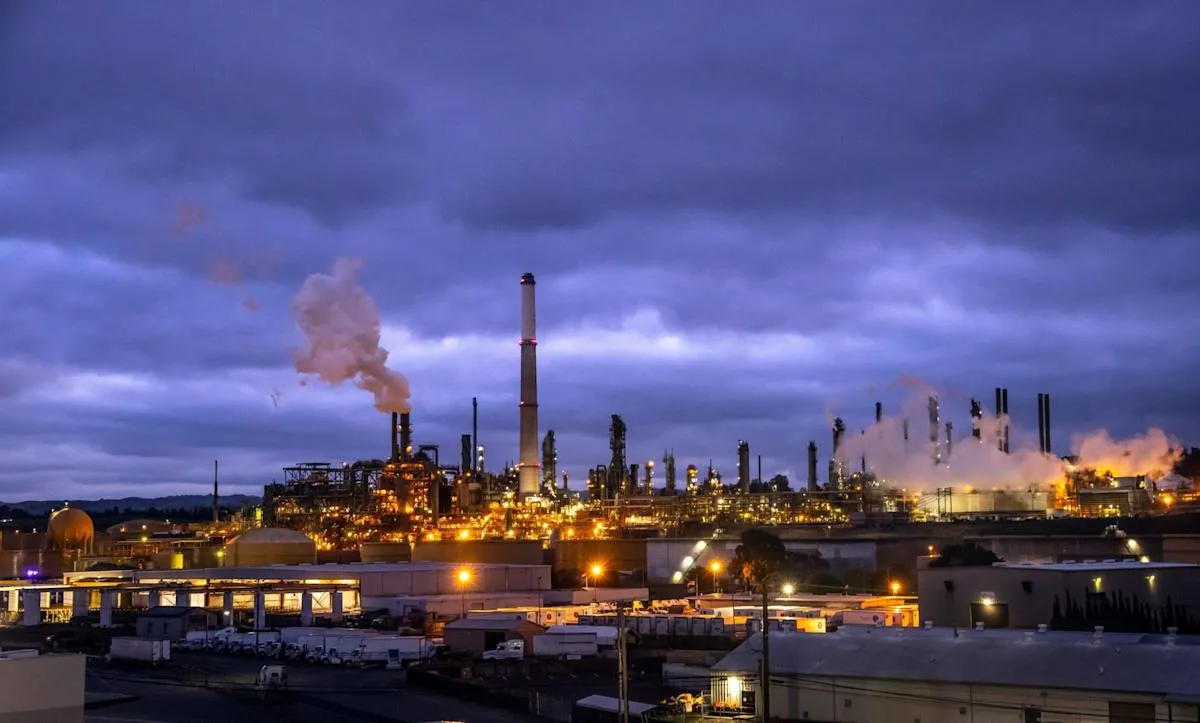
California's aviation fuel squeeze is no longer a niche energy story. State inventory data cited by the California Energy Commission show jet fuel stocks falling more than 25% from last year's peak to about 2.6 million barrels, the lowest level in roughly two and a half years, while airlines, refiners and market analysts warn that the margin for error heading into the summer travel season is getting thinner. The immediate question is not whether Los Angeles International Airport or other major hubs are out of fuel today. It is whether a state already operating as a semi-isolated fuel market can absorb another period of global disruption without forcing higher fares, route cuts or emergency supply workarounds.California's jet fuel stockpile hits two-year low, putting 'black cloud' over summer travelfinance.yahoo.com·SecondaryAs the war in Iran strangles the flow of oil around the globe, California's jet fuel reservoirs are running low. The state — which refines much of its own fuel in El Segundo and elsewhere but still relies on crude oil imports — has seen its jet fuel stock decline by more than 25% from last year's peak to a level not seen since 2023, according to data from the California Energy Commission.
The cluster's core reporting points to a combination of local vulnerability and global shock rather than a single sudden shortage. California refines a large share of its own fuel, but it also relies heavily on imported crude and refined products, and its geographic position, pipeline limits, regulatory structure and specialized fuel standards make it harder to replace lost supply quickly than in better-connected parts of the United States. In practical terms, that means a disruption that might show up elsewhere mainly as a price problem can become both a price and availability problem on the West Coast.California's jet fuel stockpile hits two-year low, putting 'black cloud' over summer travelfinance.yahoo.com·SecondaryAs the war in Iran strangles the flow of oil around the globe, California's jet fuel reservoirs are running low. The state — which refines much of its own fuel in El Segundo and elsewhere but still relies on crude oil imports — has seen its jet fuel stock decline by more than 25% from last year's peak to a level not seen since 2023, according to data from the California Energy Commission.
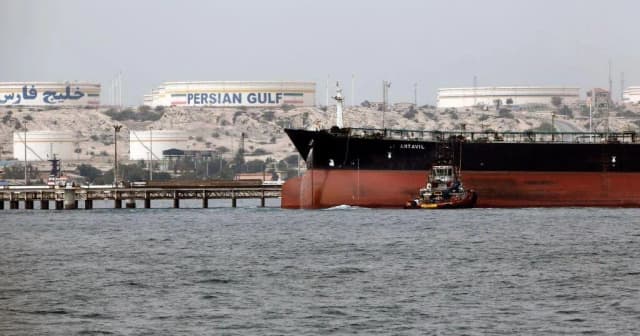
The pressure has intensified because world oil flows have been strained by the Iran war and by uncertainty around shipping through the Strait of Hormuz, a choke point for global energy trade. Both source reports say California is being hit just as Asia and Europe are also competing for scarce barrels and refined fuel cargoes, leaving the state to bid for supplies in a market where import alternatives are already expensive. One report describes Europe as having little more than a month's worth of jet fuel supply last week, while the other says global shortages were already reshaping summer flight planning through higher fares and cancellations.California's jet fuel stockpile hits two-year low, putting 'black cloud' over summer travelfinance.yahoo.com·SecondaryAs the war in Iran strangles the flow of oil around the globe, California's jet fuel reservoirs are running low. The state — which refines much of its own fuel in El Segundo and elsewhere but still relies on crude oil imports — has seen its jet fuel stock decline by more than 25% from last year's peak to a level not seen since 2023, according to data from the California Energy Commission.
At the same time, California has been losing refining cushion at home. The reporting links the current stress to the recent closure of the Phillips 66 Los Angeles refinery and Valero Energy's Benicia refinery near San Francisco, with the two complexes accounting for nearly one-fifth of the state's oil-refining capacity. The cluster also notes that Valero is weighing the future of its Wilmington refinery near Los Angeles, adding to industry concern that the state's system has less slack than it did even a year ago.California's jet fuel stockpile hits two-year low, putting 'black cloud' over summer travelfinance.yahoo.com·SecondaryAs the war in Iran strangles the flow of oil around the globe, California's jet fuel reservoirs are running low. The state — which refines much of its own fuel in El Segundo and elsewhere but still relies on crude oil imports — has seen its jet fuel stock decline by more than 25% from last year's peak to a level not seen since 2023, according to data from the California Energy Commission. Energy analyst Patrick De Haan argues the timing is especially bad because refinery losses are colliding with broader Asian supply stress and a world market already under pressure.California's jet fuel stockpile hits two-year low, putting 'black cloud' over summer travelfinance.yahoo.com·SecondaryAs the war in Iran strangles the flow of oil around the globe, California's jet fuel reservoirs are running low. The state — which refines much of its own fuel in El Segundo and elsewhere but still relies on crude oil imports — has seen its jet fuel stock decline by more than 25% from last year's peak to a level not seen since 2023, according to data from the California Energy Commission.
That argument has turned the story into a broader debate about whether California's long-running energy model has left the state exposed. Chevron and other industry voices in the source material argue that taxes, regulation and the loss of in-state production and refining capacity have made the state more dependent on foreign crude and more vulnerable to shocks. The cluster says 61% of crude oil supplied to California refineries in 2025 came from foreign sources, while only 23% came from inside the state, down from 35% five years earlier.California’s oil and jet fuel supply is getting slammed by a perfect storm of unfortunate timing—and help is years awayfinance.yahoo.com·SecondaryEurope is facing more widespread fuel shortages heading into the summer as the war in the Middle East drags on, but shortfalls—especially for jet fuel—will soon spread to California and the broader West Coast as the global energy supply shock ripples across the world. While the U.S. leads the world in crude oil production, California is not able to enjoy the bounty as much as the rest of the country. Jesus David of IIR Energy says West Coast refining capacity has fallen from 2.9 million barrels a day in 2019 to 2.3 million barrels a day, reinforcing the view that the current squeeze is not just about one overseas conflict but about years of shrinking local capacity.California’s oil and jet fuel supply is getting slammed by a perfect storm of unfortunate timing—and help is years awayfinance.yahoo.com·SecondaryEurope is facing more widespread fuel shortages heading into the summer as the war in the Middle East drags on, but shortfalls—especially for jet fuel—will soon spread to California and the broader West Coast as the global energy supply shock ripples across the world. While the U.S. leads the world in crude oil production, California is not able to enjoy the bounty as much as the rest of the country.
State officials, however, are not endorsing the most alarmist version of the story. The California Energy Commission says current production and inventory levels remain within historical ranges and that no structural deficit has emerged so far, even though supply is tight and market stress is real. That matters because the strongest warnings in the cluster come from analysts and corporate actors who expect the risk to worsen if Middle East flows remain constrained, not from a formal declaration that California is already failing to meet demand. In other words, the evidence supports a tightening market with elevated risk, not an established breakdown. That distinction is important for travelers, airlines and policymakers trying to judge whether this is a manageable squeeze or the start of a larger regional disruption.California's jet fuel stockpile hits two-year low, putting 'black cloud' over summer travelfinance.yahoo.com·SecondaryAs the war in Iran strangles the flow of oil around the globe, California's jet fuel reservoirs are running low. The state — which refines much of its own fuel in El Segundo and elsewhere but still relies on crude oil imports — has seen its jet fuel stock decline by more than 25% from last year's peak to a level not seen since 2023, according to data from the California Energy Commission.
Even so, the commercial effects are already visible. The reporting says airlines have raised fares, added surcharges and cut some routes as fuel costs jump. It cites Norse Atlantic Airways canceling all of its summer flights from Los Angeles, Lufthansa cutting 20,000 flights from its schedule through October, and other carriers reducing service or warning about pressure on lower-margin routes. United chief executive Scott Kirby, cited in the cluster, says the West Coast is effectively a fuel island because products must be shipped in rather than moved easily through domestic pipelines. That does not mean every canceled route can be blamed solely on California inventory levels, but it does show how quickly a tight fuel market can feed into pricing and network decisions.California's jet fuel stockpile hits two-year low, putting 'black cloud' over summer travelfinance.yahoo.com·SecondaryAs the war in Iran strangles the flow of oil around the globe, California's jet fuel reservoirs are running low. The state — which refines much of its own fuel in El Segundo and elsewhere but still relies on crude oil imports — has seen its jet fuel stock decline by more than 25% from last year's peak to a level not seen since 2023, according to data from the California Energy Commission.
The story also reaches beyond airports. The Fortune reporting says diesel could be the next product under pressure after jet fuel, and that Washington, Oregon, Arizona, Nevada, Hawaii and Alaska could feel knock-on effects as refiners prioritize output and importers compete for cargoes. California motorists are already paying a premium, with the cluster citing gasoline prices around $5.85 a gallon against a national average of $4.03, while diesel in California is about $2 a gallon above the national average.California's jet fuel stockpile hits two-year low, putting 'black cloud' over summer travelfinance.yahoo.com·SecondaryAs the war in Iran strangles the flow of oil around the globe, California's jet fuel reservoirs are running low. The state — which refines much of its own fuel in El Segundo and elsewhere but still relies on crude oil imports — has seen its jet fuel stock decline by more than 25% from last year's peak to a level not seen since 2023, according to data from the California Energy Commission. Those figures reinforce the broader point: once California has to compete internationally for barrels, the state's consumers and transport system tend to feel the impact quickly.California's jet fuel stockpile hits two-year low, putting 'black cloud' over summer travelfinance.yahoo.com·SecondaryAs the war in Iran strangles the flow of oil around the globe, California's jet fuel reservoirs are running low. The state — which refines much of its own fuel in El Segundo and elsewhere but still relies on crude oil imports — has seen its jet fuel stock decline by more than 25% from last year's peak to a level not seen since 2023, according to data from the California Energy Commission.
There is at least one short-term relief valve. The Trump administration has temporarily waived the Jones Act, allowing more vessels to move crude oil and refined products between U.S. ports and making it easier to send fuel from the Gulf Coast through the Panama Canal to California. According to the cluster, the California Energy Commission says that waiver is already bringing incremental supply to the state, and a White House official says California and Alaska are among the biggest beneficiaries for jet fuel deliveries.California's jet fuel stockpile hits two-year low, putting 'black cloud' over summer travelfinance.yahoo.com·SecondaryAs the war in Iran strangles the flow of oil around the globe, California's jet fuel reservoirs are running low. The state — which refines much of its own fuel in El Segundo and elsewhere but still relies on crude oil imports — has seen its jet fuel stock decline by more than 25% from last year's peak to a level not seen since 2023, according to data from the California Energy Commission. Supporters of the waiver see it as a pragmatic way to loosen a long-standing shipping bottleneck during an energy emergency, though the same reporting says its larger effect is logistical flexibility rather than a major direct reduction in pump prices.California's jet fuel stockpile hits two-year low, putting 'black cloud' over summer travelfinance.yahoo.com·SecondaryAs the war in Iran strangles the flow of oil around the globe, California's jet fuel reservoirs are running low. The state — which refines much of its own fuel in El Segundo and elsewhere but still relies on crude oil imports — has seen its jet fuel stock decline by more than 25% from last year's peak to a level not seen since 2023, according to data from the California Energy Commission.
Longer-term relief, however, is slow. Pipeline proposals from Phillips 66, Kinder Morgan, Oneok and HF Sinclair could eventually connect California and Arizona more directly to domestic refined-product supply, but the reporting says the best-known project is not expected online until 2029. That leaves a multi-year gap in which California remains exposed to precisely the sort of international shock now roiling energy markets. Analysts in the cluster say that if there is no concrete easing in the Middle East within weeks, fuel tightness could deepen into the summer, when travel demand, freight movement and event traffic all rise together.California's jet fuel stockpile hits two-year low, putting 'black cloud' over summer travelfinance.yahoo.com·SecondaryAs the war in Iran strangles the flow of oil around the globe, California's jet fuel reservoirs are running low. The state — which refines much of its own fuel in El Segundo and elsewhere but still relies on crude oil imports — has seen its jet fuel stock decline by more than 25% from last year's peak to a level not seen since 2023, according to data from the California Energy Commission.
That timing is one reason the story has moved up the newsworthiness board. Los Angeles is preparing for a major international tourism cycle and the source material explicitly notes concern about travel demand tied to the 2026 World Cup period. A fuel market that is merely tight in April can become a larger economic and political problem in June if airlines keep trimming routes, if import competition intensifies, or if another refinery setback hits before replacement supplies arrive. Officials are right to note that present inventories are still inside historical ranges. Critics of California's energy posture are also right that an isolated, import-heavy system gives the state less room to absorb shocks. The practical conclusion is that California is not yet in a formal jet-fuel crisis, but it is operating with a thinner buffer, a more exposed supply chain and less policy slack than many of its leaders would prefer.California's jet fuel stockpile hits two-year low, putting 'black cloud' over summer travelfinance.yahoo.com·SecondaryAs the war in Iran strangles the flow of oil around the globe, California's jet fuel reservoirs are running low. The state — which refines much of its own fuel in El Segundo and elsewhere but still relies on crude oil imports — has seen its jet fuel stock decline by more than 25% from last year's peak to a level not seen since 2023, according to data from the California Energy Commission.
AI Transparency
Why this article was written and how editorial decisions were made.
Why This Topic
This cluster earned selection because it combines a high newsroom score with a real-world consumer and infrastructure angle that cuts across energy, transport and politics. It is more newsworthy than a routine company earnings piece because it affects a major U.S. state, West Coast aviation, fuel pricing and summer travel while tying into a larger geopolitical supply shock. The story also offers natural tension between official reassurance, market warnings and conservative criticism of California's energy model, which supports a balanced, descriptive article in the required house tone.
Source Selection
The cluster's two source reports are strong enough for a long-form synthesis because they overlap on the core facts and add complementary detail. One source focuses on inventory levels, airline pricing and the California Energy Commission's assurance that no structural deficit exists yet. The other adds refinery-closure context, Jones Act waiver details, broader West Coast spillovers and the longer-term pipeline discussion. Together they support a balanced piece that can fairly present official, corporate and analyst perspectives without depending on thin single-source speculation.
Editorial Decisions
Frame the piece as a market-structure and logistics story rather than an apocalyptic energy scare. Keep the lead concrete: inventories, capacity loss, airline effects and the official state response. Give real room to the industry critique that California's policy and refining posture increased vulnerability, but do not overstate the evidence into a confirmed supply collapse. Emphasize that officials say inventories remain within historical ranges even while market stress is tightening. Avoid loaded language and avoid treating the Chevron critique as either obviously right or obviously self-serving; present it as a substantive argument in the policy fight.
Reader Ratings
About the Author
Sources
- 1.finance.yahoo.comSecondary
- 2.finance.yahoo.comSecondary
Editorial Reviews
1 approved · 0 rejectedPrevious Draft Feedback (3)
• depth_and_context scored 5/3 minimum: The article excels by providing deep context, detailing not just the current shortage but the structural reasons for California's vulnerability (reliance on imports, pipeline limits, historical capacity loss). It effectively frames the issue as a systemic problem, not a temporary glitch. • narrative_structure scored 4/3 minimum: The structure is strong, moving logically from the immediate crisis (low stocks) to the causes (global shocks, local refinery closures), and concluding with policy implications and future outlook. It could benefit from a slightly punchier nut graf to synthesize the core tension earlier. • perspective_diversity scored 5/3 minimum: The piece masterfully balances multiple viewpoints: industry analysts (warning of systemic risk), industry voices (blaming regulation/taxes), state officials (downplaying the crisis), and economic data (showing actual price impacts). This comprehensive triangulation is excellent. • analytical_value scored 5/3 minimum: The analysis is consistently high, moving beyond mere reporting to interpret the implications of the data—for instance, contrasting the 'manageable squeeze' narrative with the reality of 'thinner buffer' risk. It successfully guides the reader toward a nuanced conclusion. • filler_and_redundancy scored 4/2 minimum: The article is dense with necessary detail and avoids padding. The minor deduction is because some paragraphs reiterate the 'risk' concept across different angles (global vs. local), but this repetition serves to build the argument's weight rather than being true filler. • language_and_clarity scored 4/3 minimum: The writing is highly professional, precise, and engaging. It avoids generic AI-speak and uses technical language appropriately. To reach a 5, the author should ensure the transition between the 'Jones Act waiver' section and the 'long-term relief' section is smoother, as the shift in time scale is abrupt. Warnings: • [source_diversity] Single-source story — consider adding corroborating sources • [citation_coverage] Gate check failed: The input does not contain any JSON tokens. Expected the input to start with a valid JSON token, when isFinalBlock is true. Path: $ | LineNumber: 0 | BytePositionInLine: 0.
1 gate errors: • [image_relevance] Image alt_accuracy scored 2/3 minimum: The alt text describes passenger jets on an airport apron, but the image provided is a large industrial refinery complex, not an airport scene. This mismatch significantly lowers the accuracy score.
1 gate errors: • [image_relevance] Image alt_accuracy scored 2/3 minimum: The alt text describes passenger jets on an airport apron, but the image provided is a large industrial refinery complex, not an airport scene. This mismatch significantly lowers the accuracy score.



Discussion (0)
No comments yet.