Congressmen Reveal Six Names Hidden in Epstein Files, Exposing Justice Department Redaction Failures
Democratic Rep. Ro Khanna and Republican Rep. Thomas Massie named six men whose identities were redacted from the Epstein files, including billionaire Leslie Wexner, whom the FBI labelled a coconspirator.
Feb 11, 2026, 03:05 PM
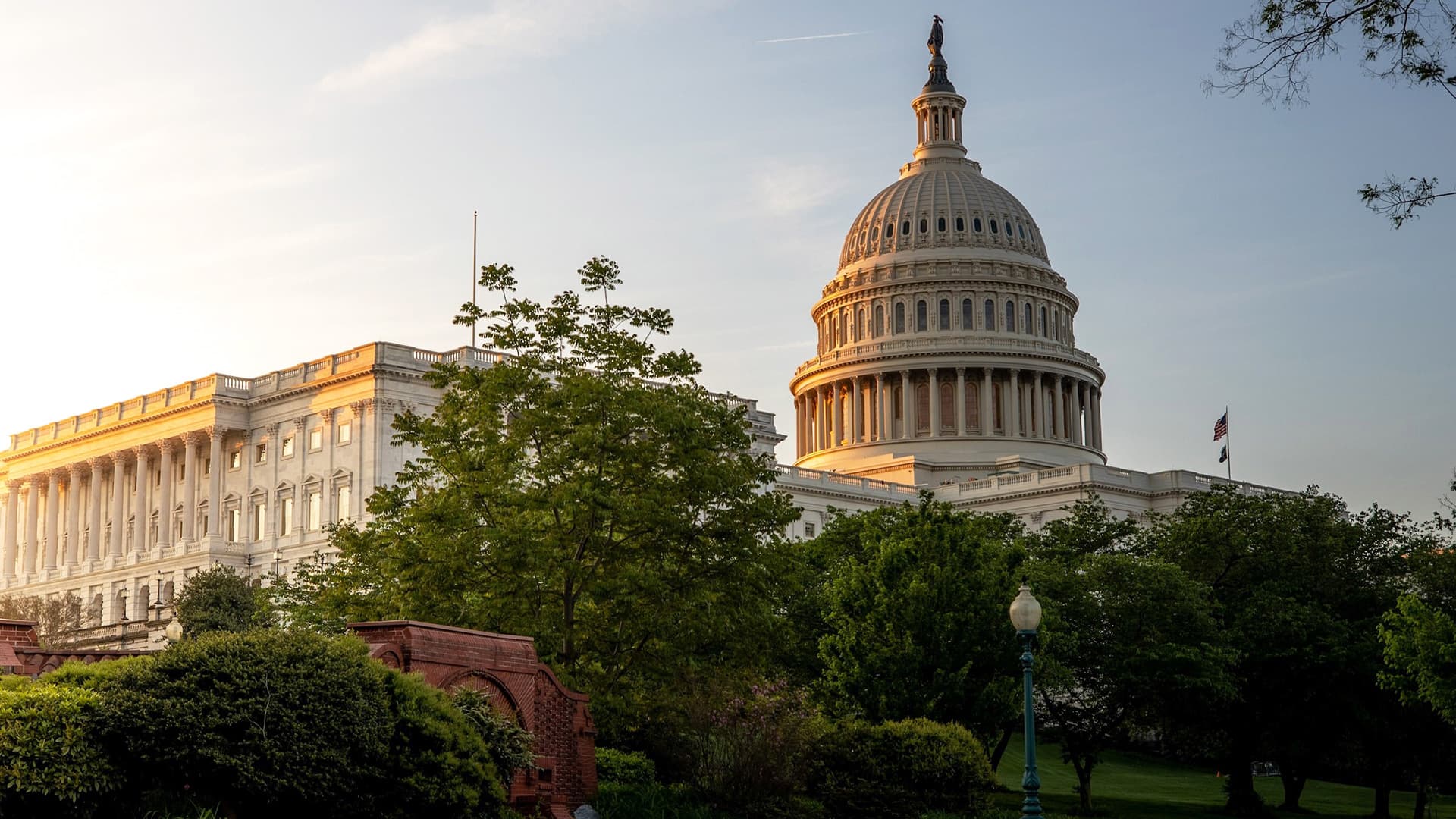
Democratic Representative Ro Khanna took the floor of the US House of Representatives on Tuesday to read aloud the names of six men whose identities had been blacked out in the Jeffrey Epstein files released by the Department of Justice — a move that has intensified scrutiny of the government's handling of millions of pages of documents related to the convicted sex offender Six men named in US Congress: Why is so much redacted in the Epstein files?aljazeera.com·SecondaryA United States congressman has revealed the names of six men in the Jeffrey Epstein files whose identities were blacked out when the records were released to the public, including American billionaire Leslie Wexner, who appears to have been labelled a coconspirator by the FBI in 2019..
The revelations mark the latest escalation in a months-long battle between Congress and the Justice Department over transparency in the Epstein investigation, raising fundamental questions about who is being protected and why in one of the most closely watched accountability cases in recent American history.
Khanna said he and Republican Representative Thomas Massie had spent two hours reviewing unredacted documents at the Justice Department's headquarters in Washington, DC, during a viewing facilitated by the department itself Six men named in US Congress: Why is so much redacted in the Epstein files?aljazeera.com·SecondaryA United States congressman has revealed the names of six men in the Jeffrey Epstein files whose identities were blacked out when the records were released to the public, including American billionaire Leslie Wexner, who appears to have been labelled a coconspirator by the FBI in 2019.. The bipartisan pair had previously co-authored the Epstein Files Transparency Act, which President Donald Trump signed into law in November 2025, mandating the release of all unclassified records related to the Epstein investigation Six men named in US Congress: Why is so much redacted in the Epstein files?aljazeera.com·SecondaryA United States congressman has revealed the names of six men in the Jeffrey Epstein files whose identities were blacked out when the records were released to the public, including American billionaire Leslie Wexner, who appears to have been labelled a coconspirator by the FBI in 2019..
The Six Men Named
Speaking under the protection of the Constitution's speech and debate clause, which shields lawmakers from defamation lawsuits for statements made on the House floor, Khanna identified the six men as Leslie Wexner, Sultan Ahmed bin Sulayem, Salvatore Nuara, Zurab Mikeladze, Leonic Leonov, and Nicola Caputo Six men named in US Congress: Why is so much redacted in the Epstein files?aljazeera.com·SecondaryA United States congressman has revealed the names of six men in the Jeffrey Epstein files whose identities were blacked out when the records were released to the public, including American billionaire Leslie Wexner, who appears to have been labelled a coconspirator by the FBI in 2019..
The most prominent name is Wexner, the billionaire retail tycoon and former owner of Victoria's Secret, who had a lengthy and well-documented financial relationship with Epstein. However, Khanna revealed a previously unknown detail: the FBI had at some point during its investigation labelled Wexner a coconspirator Six men named in US Congress: Why is so much redacted in the Epstein files?aljazeera.com·SecondaryA United States congressman has revealed the names of six men in the Jeffrey Epstein files whose identities were blacked out when the records were released to the public, including American billionaire Leslie Wexner, who appears to have been labelled a coconspirator by the FBI in 2019.. No criminal charges were ever brought against Wexner in connection with Epstein's crimes, and the inclusion of a name in the files does not imply wrongdoing.
Sultan Ahmed bin Sulayem, the chairman and CEO of logistics giant DP World and one of Dubai's most powerful figures, was the second high-profile name. Documents show he exchanged messages with Epstein for years, including discussions about business deals and references to visiting Epstein's private island Six men named in US Congress: Why is so much redacted in the Epstein files?aljazeera.com·SecondaryA United States congressman has revealed the names of six men in the Jeffrey Epstein files whose identities were blacked out when the records were released to the public, including American billionaire Leslie Wexner, who appears to have been labelled a coconspirator by the FBI in 2019.. The files also confirmed that bin Sulayem's email address appeared in a correspondence in which Epstein remarked about a so-called torture video Six men named in US Congress: Why is so much redacted in the Epstein files?aljazeera.com·SecondaryA United States congressman has revealed the names of six men in the Jeffrey Epstein files whose identities were blacked out when the records were released to the public, including American billionaire Leslie Wexner, who appears to have been labelled a coconspirator by the FBI in 2019..
A Justice Department spokesperson told CBS News that the four lesser-known individuals — Nuara, Mikeladze, Leonov, and Caputo — appear in only one document across all the files, while Wexner is referenced nearly 200 times and bin Sulayem appears over 4,700 times Six men named in US Congress: Why is so much redacted in the Epstein files?aljazeera.com·SecondaryA United States congressman has revealed the names of six men in the Jeffrey Epstein files whose identities were blacked out when the records were released to the public, including American billionaire Leslie Wexner, who appears to have been labelled a coconspirator by the FBI in 2019..
The Redaction Controversy
The revelation has deepened an already contentious debate over the Justice Department's redaction practices. Under the Epstein Files Transparency Act, redactions are permitted only to protect victims' identities, shield child sexual abuse material, safeguard active federal investigations, or protect classified national security information Six men named in US Congress: Why is so much redacted in the Epstein files?aljazeera.com·SecondaryA United States congressman has revealed the names of six men in the Jeffrey Epstein files whose identities were blacked out when the records were released to the public, including American billionaire Leslie Wexner, who appears to have been labelled a coconspirator by the FBI in 2019.. The law explicitly states that no record should be redacted merely to prevent embarrassment or reputational harm to any public figure.
Khanna accused the department of shielding the men's names without legitimate justification . He told the House that if two Congressmen could uncover six hidden names in two hours, the scope of what remains concealed in three million files demanded serious scrutiny Six men named in US Congress: Why is so much redacted in the Epstein files?aljazeera.com·SecondaryA United States congressman has revealed the names of six men in the Jeffrey Epstein files whose identities were blacked out when the records were released to the public, including American billionaire Leslie Wexner, who appears to have been labelled a coconspirator by the FBI in 2019..
The Justice Department's Defence
Deputy Attorney General Todd Blanche pushed back against the characterization, arguing that some of the redacted names did appear unredacted in other documents within the files. In a post on X, Blanche noted that certain redactions covered email addresses, which he said the law requires to be treated as personally identifiable information Six men named in US Congress: Why is so much redacted in the Epstein files?aljazeera.com·SecondaryA United States congressman has revealed the names of six men in the Jeffrey Epstein files whose identities were blacked out when the records were released to the public, including American billionaire Leslie Wexner, who appears to have been labelled a coconspirator by the FBI in 2019..
But Massie countered by revealing that he had viewed a list of 20 names in the documents, 18 of which had been redacted. Only Epstein and Maxwell's names were visible. Four of the 18 redacted names belonged to men born before 1970, Massie noted — a detail that undercuts the argument they were redacted to protect victims Six men named in US Congress: Why is so much redacted in the Epstein files?aljazeera.com·SecondaryA United States congressman has revealed the names of six men in the Jeffrey Epstein files whose identities were blacked out when the records were released to the public, including American billionaire Leslie Wexner, who appears to have been labelled a coconspirator by the FBI in 2019..
A Pattern of Failures
The dispute comes amid wider problems with the document release. On February 2, the Justice Department removed several thousand documents from its Epstein files website after lawyers representing Epstein's accusers complained to a New York judge that the lives of nearly 100 victims had been turned upside down by sloppy redactions Six men named in US Congress: Why is so much redacted in the Epstein files?aljazeera.com·SecondaryA United States congressman has revealed the names of six men in the Jeffrey Epstein files whose identities were blacked out when the records were released to the public, including American billionaire Leslie Wexner, who appears to have been labelled a coconspirator by the FBI in 2019.. Published material had included nude photographs showing the faces of potential victims, as well as names and email addresses that should have been obscured.
The department blamed technical or human error and the enormous scale of vetting millions of documents Six men named in US Congress: Why is so much redacted in the Epstein files?aljazeera.com·SecondaryA United States congressman has revealed the names of six men in the Jeffrey Epstein files whose identities were blacked out when the records were released to the public, including American billionaire Leslie Wexner, who appears to have been labelled a coconspirator by the FBI in 2019.. Attorney Jay Clayton said the department had revised its protocols and was re-evaluating documents before reposting.
Although the Transparency Act required all unclassified records to be released within 30 days of the law's enactment on November 19, 2025, only 3.5 million of nearly 6 million pages have been published so far Six men named in US Congress: Why is so much redacted in the Epstein files?aljazeera.com·SecondaryA United States congressman has revealed the names of six men in the Jeffrey Epstein files whose identities were blacked out when the records were released to the public, including American billionaire Leslie Wexner, who appears to have been labelled a coconspirator by the FBI in 2019.. Separately, newly released emails indicate that Epstein appeared to engineer an intimate relationship between a woman in his orbit and Kimbal Musk, the brother of Elon Musk and a Tesla board member, adding another dimension to the web of connections emerging from the files Congressmen name six wealthy men ‘likely incriminated’ in Epstein files | First Thingtheguardian.com·SecondaryDemocrat Ro Khanna and Republican Thomas Massie reveal names they say DoJ redacted ‘for no apparent reason’. Plus, at least 10 dead, including suspect, after school shooting in Canada Don’t already get First Thing in your inbox? Sign up here The Democratic congressman Ro Khanna said on Tuesday that he and his Republican colleague Thomas Massie had forced the justice department to disclose the “hidden” names of six wealthy men they say are “likely incriminated” by their inclusion in the....
What Comes Next
The bipartisan Congressional push for transparency — rare in today's polarised Washington — shows no signs of easing. With only about 58 percent of the estimated six million pages released and members of Congress now actively reviewing unredacted files, the pressure on the Justice Department to justify each redaction is likely to intensify. For the named individuals, none of whom have been charged with any crime, the disclosures raise uncomfortable questions about the extent of their documented contact with Epstein. For the Justice Department, the central challenge remains demonstrating that its redaction decisions serve the law's intent — protecting victims — rather than shielding the powerful from scrutiny.
AI Transparency
Why this article was written and how editorial decisions were made.
Why This Topic
The revelation of six previously hidden names in the Epstein files by a bipartisan pair of US Congressmen represents a significant development in one of the most closely watched accountability stories in recent American history. The story touches on themes of institutional transparency, government accountability, and the protection of powerful individuals — issues of broad public interest. The involvement of figures like Leslie Wexner (a major American billionaire) and Sultan Ahmed bin Sulayem (a prominent Emirati executive) gives the story international dimensions. The ongoing dispute between Congress and the Justice Department over redaction practices raises fundamental questions about the balance between privacy and public accountability.
Source Selection
This article draws on two Tier 1 sources: Al Jazeera provides the primary detailed reporting including direct quotes from Representative Khanna's House floor speech, the Justice Department's responses via Deputy AG Blanche, and the full legal context of the Epstein Files Transparency Act. The Guardian's First Thing newsletter corroborates the key facts and adds the Kimbal Musk email detail. Both sources are internationally recognised news organisations with editorial standards that meet publication requirements. The bipartisan nature of the Congressional action (Democrat Khanna, Republican Massie) provides inherent balance to the sourcing.
Editorial Decisions
This article focuses on the bipartisan Congressional effort to reveal redacted names in the Epstein files and the ensuing dispute with the Justice Department over redaction practices. We include the Justice Department's defence via Deputy AG Blanche to provide institutional perspective. We note that inclusion in the files does not imply wrongdoing. We excluded detailed biographical profiles of the four lesser-known individuals (Nuara, Mikeladze, Leonov, Caputo) as their identities could not be independently verified beyond the Congressional Record. The Kimbal Musk connection from the Guardian source is included as relevant context but not expanded upon, as it represents a separate thread within the broader file release.
Reader Ratings
About the Author
Sources
- 1.aljazeera.comSecondary
- 2.theguardian.comSecondary
Editorial Reviews
1 approved · 0 rejectedPrevious Draft Feedback (3)
• depth_and_context scored 4/3 minimum: The article supplies useful background on the Transparency Act, prior document-release problems, and specific figures named, giving readers why this matters; it could deepen context further with more legal history of Epstein prosecutions and DOJ redaction practice precedent. • narrative_structure scored 4/3 minimum: The piece opens with a clear lede and follows with logical sections (the six names, redaction controversy, DOJ response, wider problems, next steps), though the ending is slightly summary-like rather than offering a sharper closing anecdote or new development. • perspective_diversity scored 4/3 minimum: The draft includes viewpoints from Khanna and Massie, the DOJ (Deputy AG and spokesperson), and lawyers for victims, plus factual data; it could improve by adding responses or statements from the named individuals or their representatives and independent legal experts. • analytical_value scored 3/2 minimum: The article outlines implications (transparency, political pressure) and notes patterns of failures, but largely reports events and claims without deeper legal analysis of redaction standards, potential consequences for DOJ officials, or likely judicial remedies. • filler_and_redundancy scored 4/3 minimum: The draft is focused and economical with few repetitions; a couple of sentences rephrase similar points about the number of pages and scrutiny but overall avoids substantive padding. • language_and_clarity scored 4/3 minimum: Writing is clear and generally crisp, avoids loaded shorthand without evidence, and appropriately notes that inclusion in files does not imply wrongdoing; minor tweaks could tighten passive constructions and attribute some claims more precisely. Warnings: • [article_quality] publication_readiness scored 4 (borderline): The article reads like a near-finished news story with clear structure and sourcing markers; it needs quotes from the named individuals (or their reps) and final copyediting for tone and attribution to be fully publication-ready.
1 gate errors: • [article_quality] publication_readiness scored 3/4 minimum: The draft reads mostly like a finished news story with subheads and sourcing markers, but it includes bracketed source markers inline and an abrupt final paragraph introducing a peripheral Kimbal Musk detail that feels tacked on; minor copyediting and sourcing placement would improve readiness.
3 gate errors: • [evidence_quality] Statistic "3 million" not found in any source material • [evidence_quality] Statistic "3.5 million" not found in any source material • [evidence_quality] Statistic "6 million" not found in any source material


Discussion (0)
No comments yet.