Google Signs 1 Gigawatt of Data Center Demand Response Deals With Five US Utilities
Google announced on Wednesday that it has reached agreements with five US electric utilities to curtail up to 1 GW of data center electricity use during peak grid demand, expanding a strategy first tested last year.
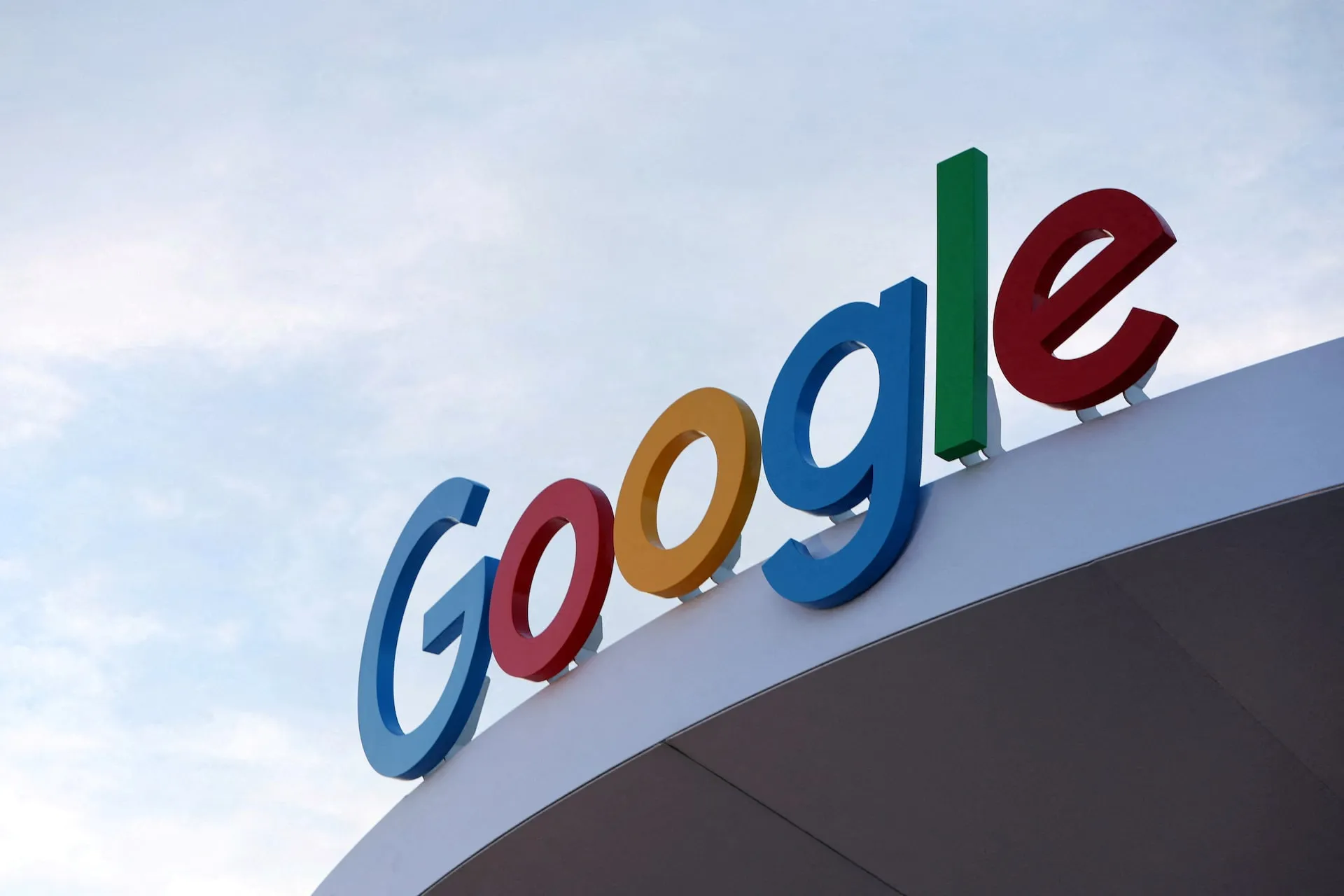
When homes across America's heartland crank up the air conditioning on the hottest days of summer, Google's sprawling data centers in those same states will soon begin dialing back their power consumption — a concession from one of the world's largest electricity consumers that reflects just how strained the nation's power grid has become.
Google announced on Wednesday that it has signed demand response agreements with five US electric utilities spanning states from Arkansas to Minnesota . Under the contracts, the company is making up to 1 gigawatt of its data center electricity demand available for curtailment during peak-use periods, when the risk of rolling blackouts is at its highest . To put that figure in perspective, 1 gigawatt is enough electricity to power roughly 750,000 American homes Google expands utility deals to curb data‑center power use during peak demand channelnewsasia.com·SecondaryFILE PHOTO: The Google logo is seen on the Google house at CES 2024, an annual consumer electronics trade show, in Las Vegas, Nevada, U.S. January 10, 2024. REUTERS/Steve Marcus/File Photo NEW YORK, March 19 : Google has signed agreements with five U.S..
The agreements represent the company's most significant step yet in a broader effort to reconcile the enormous energy appetite of its artificial intelligence operations with the practical limits of the US power grid. Michael Terrell, Google's head of advanced energy, described demand response as an important tool for meeting future electricity demand in a way that benefits both the company and the communities where its data centers operate Google expands utility deals to curb data‑center power use during peak demand channelnewsasia.com·SecondaryFILE PHOTO: The Google logo is seen on the Google house at CES 2024, an annual consumer electronics trade show, in Las Vegas, Nevada, U.S. January 10, 2024. REUTERS/Steve Marcus/File Photo NEW YORK, March 19 : Google has signed agreements with five U.S..
Five Utilities, One Strategy
The newly announced contracts are with Entergy Arkansas, Minnesota Power, and DTE Energy . They build on initial agreements signed last year with Indiana Michigan Power and the Tennessee Valley Authority, bringing Google's demand response portfolio to five utility partnerships Google expands utility deals to curb data‑center power use during peak demand channelnewsasia.com·SecondaryFILE PHOTO: The Google logo is seen on the Google house at CES 2024, an annual consumer electronics trade show, in Las Vegas, Nevada, U.S. January 10, 2024. REUTERS/Steve Marcus/File Photo NEW YORK, March 19 : Google has signed agreements with five U.S..
The mechanism itself is straightforward. When grid operators signal that demand is approaching dangerous levels — typically during extreme heat or cold — Google will reduce electricity consumption at participating data centers. The company achieves this by shifting or limiting a portion of its machine learning workloads, rescheduling non-urgent compute tasks until after the grid event has passed Google expands utility deals to curb data‑center power use during peak demandfinance.yahoo.com·SecondaryNEW YORK, March 19 (Reuters) - Google has signed agreements with five U.S. electric utilities in states from Arkansas to Minnesota to curtail its electricity use during periods of peak demand, the company said on Thursday, in its latest effort to secure power for fast‑growing data centers amid slow additions of new supply. Which utilities has Google partnered with for demand response? How much electricity can Google curtail during peak periods?.
For utilities, the arrangement offers immediate relief. Rather than building expensive new peaking power plants that may only operate a few dozen hours per year, grid operators can call on Google's flexibility as a dispatchable resource. Industry research suggests that even small amounts of flexibility in large electrical loads can generate cost savings for entire power systems, reducing the need for infrastructure built solely to serve brief spikes in usage Google expands utility deals to curb data‑center power use during peak demandfinance.yahoo.com·SecondaryNEW YORK, March 19 (Reuters) - Google has signed agreements with five U.S. electric utilities in states from Arkansas to Minnesota to curtail its electricity use during periods of peak demand, the company said on Thursday, in its latest effort to secure power for fast‑growing data centers amid slow additions of new supply. Which utilities has Google partnered with for demand response? How much electricity can Google curtail during peak periods?.
The AI Power Crunch
The deals come at a moment when the American electricity system is under pressure from multiple directions. Immediate access to large quantities of power has become one of the biggest obstacles in the technology industry's race to expand artificial intelligence capabilities Google expands utility deals to curb data‑center power use during peak demand channelnewsasia.com·SecondaryFILE PHOTO: The Google logo is seen on the Google house at CES 2024, an annual consumer electronics trade show, in Las Vegas, Nevada, U.S. January 10, 2024. REUTERS/Steve Marcus/File Photo NEW YORK, March 19 : Google has signed agreements with five U.S.. AI models are trained and deployed in energy-intensive server warehouses, and the computational demands of frontier models continue to grow.
With power supplies running short in several regions and new infrastructure often taking years to build, technology companies have pursued increasingly creative solutions Google expands utility deals to curb data‑center power use during peak demand channelnewsasia.com·SecondaryFILE PHOTO: The Google logo is seen on the Google house at CES 2024, an annual consumer electronics trade show, in Las Vegas, Nevada, U.S. January 10, 2024. REUTERS/Steve Marcus/File Photo NEW YORK, March 19 : Google has signed agreements with five U.S.. Microsoft has signed deals to restart shuttered nuclear reactors. Amazon has acquired data center campuses adjacent to nuclear plants. Google itself struck a 1.9 GW clean energy deal with Xcel Energy in Minnesota earlier this year, and followed it with a 2.7 GW arrangement with DTE Energy in suburban Detroit that includes 1.6 gigawatts of solar power, 400 megawatts of four-hour energy storage, and 50 megawatts of long-duration storage Google expands utility deals to curb data‑center power use during peak demandfinance.yahoo.com·SecondaryNEW YORK, March 19 (Reuters) - Google has signed agreements with five U.S. electric utilities in states from Arkansas to Minnesota to curtail its electricity use during periods of peak demand, the company said on Thursday, in its latest effort to secure power for fast‑growing data centers amid slow additions of new supply. Which utilities has Google partnered with for demand response? How much electricity can Google curtail during peak periods?.
Demand response, however, represents a fundamentally different approach. Instead of adding new generation to the system, it works the demand side of the equation — allowing data centers to connect to local grids more rapidly by offering to reduce their load when the system is stressed Google expands utility deals to curb data‑center power use during peak demandfinance.yahoo.com·SecondaryNEW YORK, March 19 (Reuters) - Google has signed agreements with five U.S. electric utilities in states from Arkansas to Minnesota to curtail its electricity use during periods of peak demand, the company said on Thursday, in its latest effort to secure power for fast‑growing data centers amid slow additions of new supply. Which utilities has Google partnered with for demand response? How much electricity can Google curtail during peak periods?.
Critics Question Whether It Goes Far Enough
Not everyone is convinced that voluntary demand response agreements are sufficient to address the scale of the challenge. Environmental groups and some grid analysts have pointed out that technology companies continue to add data center capacity at a pace that far outstrips the flexibility these programs offer. Google's own environmental reports have acknowledged that despite implementing demand response programs and power purchase agreements, AI's computational requirements have contributed to increases in the company's overall emissions.
There are also practical limits to how much a data center can curtail without degrading service. Google has noted that this capability will only be available at certain locations and that there are constraints on how flexible any given facility can be Google expands utility deals to curb data‑center power use during peak demandfinance.yahoo.com·SecondaryNEW YORK, March 19 (Reuters) - Google has signed agreements with five U.S. electric utilities in states from Arkansas to Minnesota to curtail its electricity use during periods of peak demand, the company said on Thursday, in its latest effort to secure power for fast‑growing data centers amid slow additions of new supply. Which utilities has Google partnered with for demand response? How much electricity can Google curtail during peak periods?. Critics argue that presenting demand response as a grid benefit obscures the underlying reality: these data centers would not be straining the grid in the first place if they did not exist.
Utility consumer advocates have raised separate concerns about whether the infrastructure investments tied to data center expansion — new transmission lines, substations, and generation capacity — will ultimately raise electricity rates for residential customers. Google has attempted to address this with initiatives like a $10 million Energy Impact Fund aimed at reducing utility bills through home insulation and energy efficiency measures, though some observers have questioned whether that sum is meaningful relative to the scale of investment involved.
Industry-Wide Shift
Google is not alone in exploring demand response, but it is further along than most of its peers. The company is a founding member of EPRI DCFlex, an industry initiative developing frameworks to value demand response as a formal capacity resource for grid planning Google expands utility deals to curb data‑center power use during peak demandfinance.yahoo.com·SecondaryNEW YORK, March 19 (Reuters) - Google has signed agreements with five U.S. electric utilities in states from Arkansas to Minnesota to curtail its electricity use during periods of peak demand, the company said on Thursday, in its latest effort to secure power for fast‑growing data centers amid slow additions of new supply. Which utilities has Google partnered with for demand response? How much electricity can Google curtail during peak periods?. The effort reflects a growing recognition among both utilities and regulators that traditional planning models, which assume most new loads are inflexible, may need updating.
The company has also been working with state regulators and utility partners through the UTILIZE coalition to modernize power system planning processes Google expands utility deals to curb data‑center power use during peak demandfinance.yahoo.com·SecondaryNEW YORK, March 19 (Reuters) - Google has signed agreements with five U.S. electric utilities in states from Arkansas to Minnesota to curtail its electricity use during periods of peak demand, the company said on Thursday, in its latest effort to secure power for fast‑growing data centers amid slow additions of new supply. Which utilities has Google partnered with for demand response? How much electricity can Google curtail during peak periods?. These collaborative efforts aim to establish standardized approaches for incorporating flexible demand into long-range grid planning — a shift that could eventually benefit other large industrial electricity consumers as well.
President Trump's administration has also weighed in on the broader data center power question, asking AI companies to commit to covering any rate increases their facilities cause for other customers. Google has signed on to that pledge, though the practical mechanisms for enforcement remain unclear.
What Comes Next
The 1 gigawatt milestone positions Google as the tech industry's most active participant in demand response, but the company has signaled that the program will continue to expand. The strategy fits within a larger approach that combines demand-side flexibility with investments in new generation — solar, geothermal, and long-duration energy storage — to provide what the company describes as responsible and affordable energy growth Google expands utility deals to curb data‑center power use during peak demandfinance.yahoo.com·SecondaryNEW YORK, March 19 (Reuters) - Google has signed agreements with five U.S. electric utilities in states from Arkansas to Minnesota to curtail its electricity use during periods of peak demand, the company said on Thursday, in its latest effort to secure power for fast‑growing data centers amid slow additions of new supply. Which utilities has Google partnered with for demand response? How much electricity can Google curtail during peak periods?.
Whether that framing holds will depend on outcomes that are still years away. The data center construction pipeline shows no signs of slowing, and the electricity demands of next-generation AI models are widely expected to grow. For grid operators and the communities that host these facilities, the question is whether demand response and clean energy investments can genuinely keep pace with the load growth — or whether they amount to a sophisticated way of managing public perception while the fundamental pressure on the grid continues to build.
For now, the utilities that have signed these agreements appear willing to accept the trade-off. The arrangements give them access to a large, flexible load that can help manage peak demand, while securing the economic development benefits that come with hosting data centers. Whether that bargain looks as favorable in five years, when the full scale of AI-driven electricity demand becomes apparent, remains an open question.
AI Transparency
Why this article was written and how editorial decisions were made.
Why This Topic
Google's 1 GW demand response milestone is the largest such commitment by a technology company and represents a significant evolution in how Big Tech interfaces with the US electricity grid. The announcement comes amid growing public concern about AI-driven power demand, rising electricity rates, and grid reliability. It is directly relevant to ongoing policy debates about data center regulation and energy infrastructure investment at both state and federal levels.
Source Selection
Primary sources include Reuters reporting by Laila Kearney (Tier 1 wire service) syndicated through Channel News Asia and Yahoo Finance, and Google's official blog post authored by Michael Terrell, the company's head of advanced energy. Additional context from TechCrunch reporting on Google's broader data center power strategy. Multiple independent sources confirm the core facts of the five utility partnerships and 1 GW curtailment capacity.
Editorial Decisions
This article covers Google's announcement of 1 GW demand response agreements with five US utilities for data center power management. The piece draws on Reuters reporting and Google's own blog post. We include perspectives from environmental critics and utility consumer advocates to provide balanced coverage of both the claimed grid benefits and the underlying tension of continued data center expansion. Statistics are limited to those confirmed in source material.
Reader Ratings
About the Author
Sources
- 1.channelnewsasia.comSecondary
- 2.i-invdn-com.investing.comSecondary
- 3.finance.yahoo.comSecondary
Editorial Reviews
1 approved · 0 rejectedPrevious Draft Feedback (1)
Warnings: • [evidence_quality] Statistic "$10 million" not found in any source material • [article_quality] Gate check failed: Service request failed. Status: 502 (Bad Gateway) • [image_relevance] Image relevance check failed: Service request failed. Status: 502 (Bad Gateway)

Discussion (0)
No comments yet.