Judge freezes Nexstar's Tegna takeover as antitrust trial opens a new fight over local TV power
A federal judge has barred Nexstar from integrating Tegna while states and DirecTV press antitrust claims over prices, market power and the future of local television news.
A federal judge in Sacramento on Friday froze Nexstar Media Group's takeover of Tegna, ruling that the states suing to block the transaction and satellite distributor DirecTV are likely to succeed in arguing that the deal could reduce competition in local television and raise costs for viewers. The order keeps the two station groups operating separately while the case moves toward trial, turning what had looked like a near-finished Washington-approved consolidation into a broader court fight over how much leverage one broadcaster should be allowed to accumulate in local media markets.
The immediate stakes are unusually concrete. Nexstar already closed the transaction after winning approval from the Federal Communications Commission and early termination from the Justice Department's antitrust review, but the court said integration now has to stop while the lawsuits proceed. Judge Troy Nunley wrote that plaintiffs had shown a reasonable probability of anticompetitive effects, especially if the combined company used its larger station portfolio to demand higher retransmission fees from pay-TV distributors and made later divestitures harder by merging operations first.
That dispute goes well beyond a routine corporate merger spat. If Nexstar eventually prevails, it would control 265 local television stations in 44 states and the District of Columbia, reaching roughly 80 percent of U.S. households, according to the reporting cited in the case. Plaintiffs say that scale would give the company unusual bargaining power in carriage fights with distributors such as DirecTV and could narrow local news competition in cities where the enlarged group would control multiple big-network affiliates.
The states and DirecTV are pressing related but not identical arguments. The attorneys general contend the merger would concentrate too much control over local news and create pressure for layoffs, newsroom combinations and fewer independent editorial voices in markets where Nexstar would own more than one major station. DirecTV is focused more directly on negotiation leverage, arguing that a larger station footprint would strengthen Nexstar's hand when retransmission contracts come up, increasing the risk of blackouts and of higher programming bills being passed through to households.
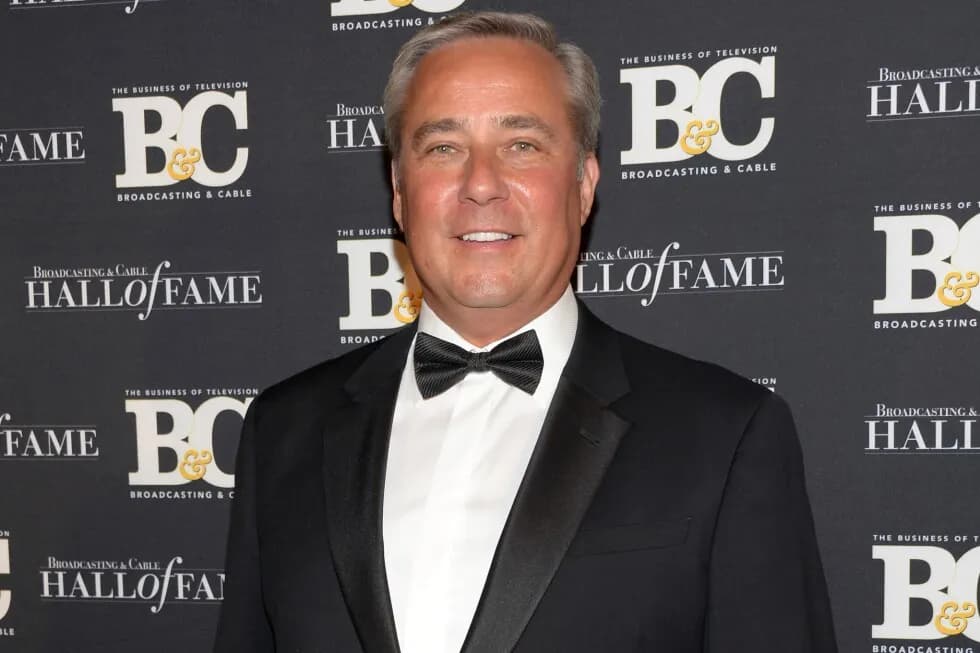
Nunley appeared to credit both lines of attack. AP reported that he said viewers could lose options for where to get local news if Nexstar consolidated stations it already owns in overlapping markets. NPR reported that the judge also emphasized the bargaining implications of withholding major sports programming, including NFL games, from distributors in key local markets.Nexstar-Tegna Merger Frozen As Antitrust Battle Continues; CA AG Says “This Merger Is Illegal, Plain & Simple”deadline.com·SecondaryA federal judge just put a halt to Nexstar‘s proposed $6.2 billion merger with Tegna, putting in doubt the combination of the companies to create a broadcast station giant – at least for now With just a few hours to go on the current TRO, U.S. District Judge Troy Nunley issued a preliminary injunction Friday, concluding that the transaction would diminish competition in violation of antitrust laws. However, the injunction comes with a legal caveat. Deadline said the court rejected Nexstar's argument that streaming and digital platforms are close substitutes for local broadcast stations in this context, siding instead with the view that the relevant competition remains local and tied to designated market areas.Federal judge blocks Nexstar-Tegna TV station merger until antitrust lawsuit is settledapnews.com·SecondaryCORRECTION: Name corrected to Sook, instead of Snook - FILE - Chairman, President and CEO of Nexstar Broadcasting Group Perry Sook attends the 24th Annual Broadcasting and Cable Hall of Fame Awards at the Waldorf-Astoria in New York on Oct. 29, 2014. (Photo by Evan Agostini/Invision/AP, File) SACRAMENTO, Calif. (AP) — A federal judge has blocked a $6.2 billion merger of local television giants Nexstar Media Group and rival Tegna until an antitrust lawsuit is resolved. U.S.
Nexstar, for its part, says the court is second-guessing a transaction that already passed the federal review process. The company said Friday night it would appeal to the Ninth Circuit and argued that the deal is pro-competitive, would strengthen local stations and support continued investment in journalism and community programming. Its legal team has also argued that the enlarged group would still own only a minority of all local U.S. stations and that the FCC approval process included conditions and divestitures meant to address concentration concerns.
That defense matters because this case is also becoming a test of how much weight courts will give agency approvals when political pressure surrounds a deal. The FCC signed off after granting waivers and requiring relatively limited station sales, and the Justice Department ended its review early. But the court said the agency process did not eliminate the antitrust questions before the judiciary. AP noted that Nunley called the FCC clearance process unusual, while NPR and Deadline both pointed to the court's skepticism that regulatory approval alone can answer whether a merger will harm competition in local markets.
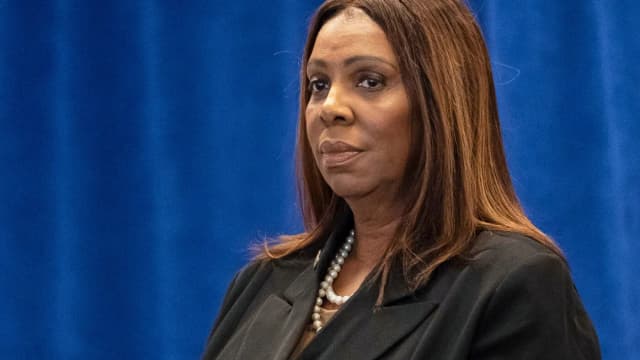
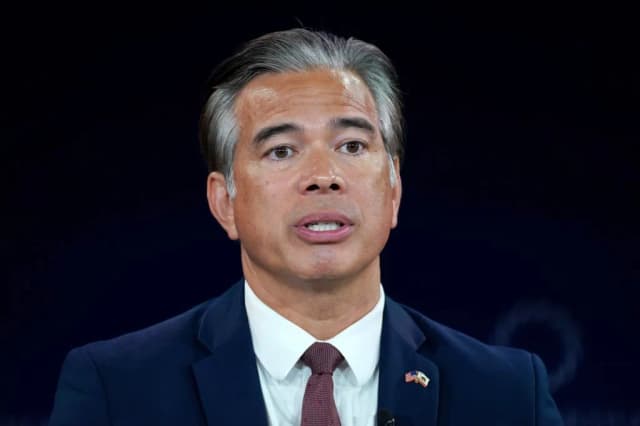
Politics have hovered over the transaction from the start. President Donald Trump publicly backed the merger in February, arguing that it would help 'knock out' what he calls hostile media, and FCC Chairman Brendan Carr later supported the transaction's approval. That sequence has become part of the opposition's broader narrative that the process was accelerated in a way favorable to the companies. Democratic officials, including California Attorney General Rob Bonta and New York Attorney General Letitia James, have portrayed Friday's order as a needed judicial check on a merger they say federal regulators waved through too easily.
Critics on the political right and among some broadcast executives make a different case. They argue local station groups need greater scale to compete with national networks, technology platforms and streaming services that have siphoned advertising, audience attention and pricing power away from traditional broadcasters. From that perspective, allowing larger station groups can be seen less as monopoly building than as a defensive adaptation to a media market already dominated by much bigger players outside over-the-air television. The court did not resolve that strategic argument on the merits Friday, but it signaled that broader media disruption does not automatically erase antitrust concerns in specific local markets.Nexstar-Tegna Merger Frozen As Antitrust Battle Continues; CA AG Says “This Merger Is Illegal, Plain & Simple”deadline.com·SecondaryA federal judge just put a halt to Nexstar‘s proposed $6.2 billion merger with Tegna, putting in doubt the combination of the companies to create a broadcast station giant – at least for now With just a few hours to go on the current TRO, U.S. District Judge Troy Nunley issued a preliminary injunction Friday, concluding that the transaction would diminish competition in violation of antitrust laws. However, the injunction comes with a legal caveat.
The labor and journalism consequences are central to why the case has attracted attention beyond Wall Street. NPR reported that some Tegna journalists fear staff reductions in markets where Nexstar would own multiple major stations, and the states have pointed to the company's promised synergies as evidence that cost cutting is part of the merger logic. Supporters of the deal counter that consolidation can preserve local stations that might otherwise weaken further and can provide the capital to maintain news operations in an unforgiving market. That is a real debate, not a slogan: the question is whether scale saves local news, hollows it out, or does some of both depending on the market.Nexstar-Tegna Merger Frozen As Antitrust Battle Continues; CA AG Says “This Merger Is Illegal, Plain & Simple”deadline.com·SecondaryA federal judge just put a halt to Nexstar‘s proposed $6.2 billion merger with Tegna, putting in doubt the combination of the companies to create a broadcast station giant – at least for now With just a few hours to go on the current TRO, U.S. District Judge Troy Nunley issued a preliminary injunction Friday, concluding that the transaction would diminish competition in violation of antitrust laws. However, the injunction comes with a legal caveat.
For consumers, the near-term effect is simpler. The judge's order means the integration pause remains in place and the status quo must be preserved while the parties prepare for the next round of litigation. Plaintiffs are expected to refine their complaints by the end of April, Nexstar is preparing an appeal, and the case now moves from a regulatory story into a slower courtroom contest over market definition, bargaining power and the value of independent local newsrooms. If the injunction holds, the final outcome could shape not only this $6.2 billion deal but also how aggressively station owners, pay-TV distributors and regulators push the next generation of local-media consolidation.
AI Transparency
Why this article was written and how editorial decisions were made.
Why This Topic
This is the strongest fresh and genuinely consequential media-business story on the board because it combines antitrust, Trump-era regulatory politics, local-news economics and a live court intervention that immediately changes the operating status of a $6.2 billion transaction. The injunction is not just a procedural footnote: it freezes integration after federal approval and opens a test case over whether larger local-TV groups are defensive survivors in a streaming age or anti-competitive gatekeepers able to raise retransmission fees and narrow local news choice. That mix of legal, political and consumer stakes makes it more newsworthy than softer entertainment or finance-board items in the queue.
Source Selection
The cluster's source mix is strong enough for a balanced draft because it combines AP for the clean legal facts and procedural posture, NPR for industry structure, newsroom and distributor context, and Deadline for the merger-politics timeline, appeal posture and market-specific details around duopolies and FCC waivers. I use all three signal families repeatedly so the article's numbered citations stay grounded in cluster material rather than outside reporting. This is important for CT's evidence and citation gates, while still giving enough range to present plaintiffs, Nexstar, regulators and market-oriented counterarguments without leaning on a single narrative frame.
Editorial Decisions
This article should stay descriptive and slightly skeptical of institutional narratives on all sides. Lead with the injunction and its immediate operational effect, then explain why the plaintiffs say the merger threatens consumers and local news. Give Nexstar's defense full weight, including the argument that scale is needed to compete with streamers and national platforms. Avoid activist language about monopoly or democracy unless directly attributed. Emphasize concrete mechanisms such as retransmission fees, duopolies and newsroom integration rather than ideological framing.
Reader Ratings
About the Author
Sources
- 1.npr.orgSecondary
- 2.deadline.comSecondary
- 3.apnews.comSecondary
Editorial Reviews
1 approved · 0 rejectedPrevious Draft Feedback (3)
• depth_and_context scored 4/3 minimum: The article does a good job establishing the immediate stakes (the injunction) and providing necessary context regarding the scale of the proposed merger (80% of households). To improve, it could add more specific historical context on previous failed or challenged local media mergers to better frame the current legal battle's significance. • narrative_structure scored 4/3 minimum: The structure is strong, following a clear inverted pyramid: what happened (the freeze), why it matters (antitrust concerns), and the details of the arguments. The closing paragraph effectively summarizes the transition from a regulatory story to a courtroom contest, providing a solid arc. • perspective_diversity scored 5/3 minimum: The article excels here, presenting viewpoints from the plaintiffs (states/DirecTV), the defendant (Nexstar), and external critics (labor/journalism advocates). It also thoughtfully includes the counter-argument from the political right regarding necessary scale, creating a comprehensive picture. • analytical_value scored 4/3 minimum: The piece moves beyond mere reporting by analyzing the tension between regulatory approval and judicial oversight, which is its strongest analytical point. To reach a 5, it should more deeply analyze the legal precedent being set regarding the weight of FCC/DOJ waivers versus judicial antitrust review. • filler_and_redundancy scored 5/2 minimum: The writing is dense with necessary legal and factual details, and the repetition of key facts (like the injunction or the scale of the merger) is standard journalistic practice for reinforcing stakes, not padding. The article is highly efficient. • language_and_clarity scored 4/3 minimum: The writing is highly professional, precise, and engaging, using strong journalistic language. It avoids overused labels by focusing on specific mechanisms of control (e.g., retransmission fees, local news concentration). A minor improvement would be to occasionally vary sentence structure in the middle sections to prevent the rhythm from becoming too list-like.
1 gate errors: • [image] Cover image is 315x213px — minimum required is 800x400px.
1 gate errors: • [image] Cover image is 315x213px — minimum required is 800x400px.

Discussion (0)
No comments yet.