Nairobi verurteilt chinesischen Staatsbürger im Ameisenschmuggel-Fall zu Haft und verschärft den Kurs gegen den Handel mit kleinen Wildtierarten
Ein Gericht in Nairobi verurteilte den chinesischen Staatsbürger Zhang Kequn zu einem Jahr Haft und einer Geldstrafe von 1 Million kenianischen Schilling, nachdem Behörden ihm vorwarfen, mehr als 2.000 lebende Ameisen aus Kenia schmuggeln zu wollen.[1][2]
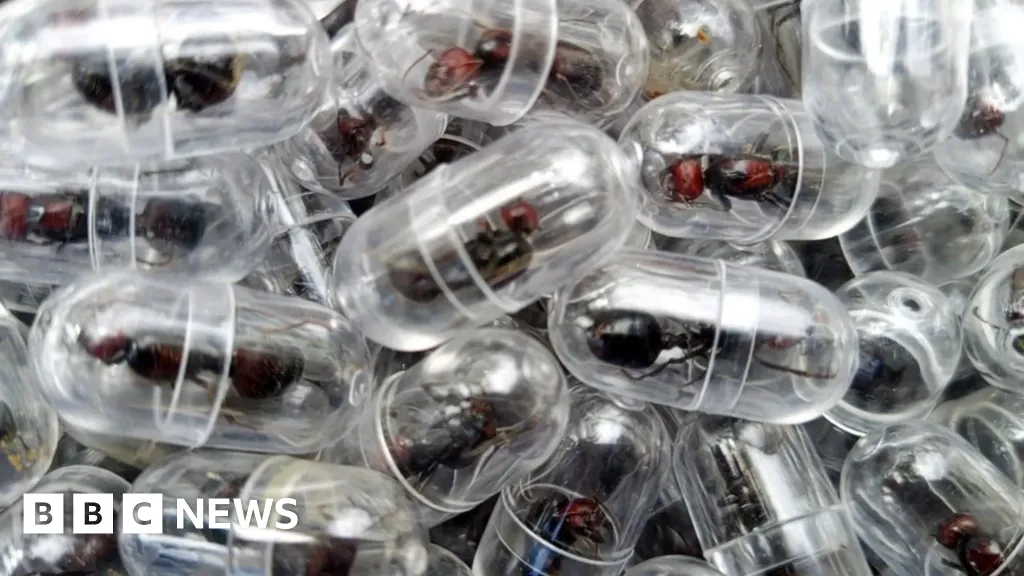
Ein Gericht in Nairobi hat am Mittwoch den chinesischen Staatsbürger Zhang Kequn zu einem Jahr Haft und zu einer Geldstrafe von 1 Million kenianischen Schilling verurteilt, nachdem festgestellt worden war, dass er versucht hatte, mehr als 2.000 lebende Ameisen aus Kenia zu schmuggeln. Ein Fall, der zunächst exzentrisch wirken mag, ist damit zu einer breiteren Warnung geworden, wie sich der Wildtierhandel verändert. Kenianische Behörden sagen, die Insekten seien für Sammler im Ausland bestimmt gewesen, und argumentieren, dass der Handel längst nicht mehr nur Elefanten, Nashörner oder Elfenbein betrifft, sondern auch kleine Arten, die sich unauffällig transportieren, einzeln verkaufen und über die Nachfrage von Hobbyhaltern skalieren lassen.Chinese national given one year in prison for smuggling ants out of Kenyabbc.com·SecondaryA Chinese national has been sentenced to a year in prison for attempting to smuggle thousands of live queen garden ants out of Kenya. The court in Nairobi on Wednesday also fined Zhang Kequn 1m Kenyan shillings (£5,713; $7,737). Judge Irene Gichobi described Zhang as not "entirely honest" and lacking in remorse.
Nach Berichten von BBC und Guardian wurde Zhang im März festgenommen, nachdem Behörden an Nairobis wichtigstem Flughafen Tausende lebende Königinnenameisen in seinem Gepäck gefunden hatten. Das Gericht hörte, dass er sich schuldig bekannt hatte, nachdem er die Vorwürfe zunächst bestritten hatte. Das urteilende Gericht verhängte sowohl die Haftstrafe als auch die Geldstrafe von 1 Million kenianischen Schilling. Die BBC berichtete außerdem, Zhang solle nach Verbüßung der Strafe in sein Heimatland zurückgeführt werden. Der Fall endete damit gerade nicht als bloßer Zollverstoß. Kenianische Gerichte behandelten ihn als Wildtierkriminalität, die aus ihrer Sicht Abschreckung und nicht nur eine Verwarnung oder Einziehung verlangt.Chinese national given one year in prison for smuggling ants out of Kenyabbc.com·SecondaryA Chinese national has been sentenced to a year in prison for attempting to smuggle thousands of live queen garden ants out of Kenya. The court in Nairobi on Wednesday also fined Zhang Kequn 1m Kenyan shillings (£5,713; $7,737). Judge Irene Gichobi described Zhang as not "entirely honest" and lacking in remorse.
Die Zahlen erklären, warum der Fall offizielle Aufmerksamkeit bekam. Die BBC berichtete, Zhang sei mit mehr als 2.000 Ameisen gefasst worden, und kenianische Behörden hätten gewarnt, dass die Tiere in Europa und Asien rund 220 Dollar pro Stück erzielen könnten. Der Guardian schrieb, in seinem Gepäck seien mehr als 2.200 Ameisen gefunden worden, darunter 1.948 Exemplare der begehrten Art Messor cephalotes, und beschrieb einen lukrativen ostafrikanischen Handel mit Insekten, die in China, den Vereinigten Staaten und Europa als exotische Haustiere vermarktet werden. Wenn eine Sendung aus kleinen lebenden Tieren mit hohem Wiederverkaufswert besteht, wirkt die wirtschaftliche Dimension deutlich ernster, als das Thema zunächst vermuten lässt.Chinese national given one year in prison for smuggling ants out of Kenyabbc.com·SecondaryA Chinese national has been sentenced to a year in prison for attempting to smuggle thousands of live queen garden ants out of Kenya. The court in Nairobi on Wednesday also fined Zhang Kequn 1m Kenyan shillings (£5,713; $7,737). Judge Irene Gichobi described Zhang as not "entirely honest" and lacking in remorse.
Die kenianische Seite der Geschichte beschränkt sich nicht auf einen einzelnen Reisenden. Die BBC berichtete, Zhang habe vor Gericht erklärt, er habe die Ameisen von dem kenianischen Staatsbürger Charles Mwangi für 10.000 kenianische Schilling je hundert Tiere gekauft; Mwangi sei ebenfalls angeklagt und gegen Kaution auf freiem Fuß. Der Guardian verknüpfte Zhang mit einem weiteren Fall und erinnerte daran, dass Ameisenschmuggel in Kenia bereits im vergangenen Jahr Schlagzeilen machte, als zwei belgische Teenager, ein vietnamesischer Staatsbürger und ein Kenianer in einem getrennten Verfahren wegen Tausender Königinnenameisen belangt wurden. Dieses Muster stützt das Argument der Behörden, dass es sich nicht um eine einmalige Kuriosität handelt, sondern um ein wiederholbares Exportgeschäft mit lokaler Beschaffung, ausländischer Nachfrage und genug Geld im System, um Zwischenhändler anzuziehen.Chinese national given one year in prison for smuggling ants out of Kenyabbc.com·SecondaryA Chinese national has been sentenced to a year in prison for attempting to smuggle thousands of live queen garden ants out of Kenya. The court in Nairobi on Wednesday also fined Zhang Kequn 1m Kenyan shillings (£5,713; $7,737). Judge Irene Gichobi described Zhang as not "entirely honest" and lacking in remorse.
Kenianische Vertreter nutzen den Fall zugleich für ein größeres Naturschutzargument. Die BBC berichtete, die urteilende Richterin habe auf zunehmende Fälle mit großen Mengen von Gartenameisen verwiesen und vor ökologischen Nebenwirkungen gewarnt; kenianische Behörden hätten zudem erklärt, die Nachfrage unter Sammlern in Europa und Asien wachse. Der Guardian stellte den Fall ähnlich als Teil einer lukrativen Wildtier-Pipeline dar, in der Ameisen nicht als Schädlinge, sondern als sammelbare Organismen gelten, die gezüchtet, ausgestellt und weiterverkauft werden können. Aus Sicht der Regierung geht es daher nicht nur darum, dass ein einzelner Passagier Ausfuhrregeln verletzt hat. Es geht darum, dass die Entnahme von Arten aus lokalen Ökosystemen und ihre Vermarktung im Ausland Anreize für wiederholtes Abfangen und für einen schwerer zu kontrollierenden Schwarzmarkt in Organismen schafft, die in gewöhnliches Gepäck passen.Chinese national given one year in prison for smuggling ants out of Kenyabbc.com·SecondaryA Chinese national has been sentenced to a year in prison for attempting to smuggle thousands of live queen garden ants out of Kenya. The court in Nairobi on Wednesday also fined Zhang Kequn 1m Kenyan shillings (£5,713; $7,737). Judge Irene Gichobi described Zhang as not "entirely honest" and lacking in remorse.
Es gibt allerdings auch eine andere Seite, die fair benannt werden sollte. Für manche Leser wird eine Freiheitsstrafe wegen Ameisen hart wirken, gerade weil viele Länder sichtbar zerstörerische Formen von Wildtierkriminalität noch immer nur unzureichend ahnden. Hobbyhalter könnten einwenden, dass Insekten in der öffentlichen Wahrnehmung eine Grauzone besetzen, dass Zucht in Gefangenschaft den Druck auf Wildbestände mindern kann und dass der Handel mit Ameisen moralisch nicht mit Elfenbein oder lebenden Primaten gleichzusetzen sei. Dieser Impuls ist nachvollziehbar. Kleine Arten lösen nicht dieselbe öffentliche Alarmbereitschaft aus wie ikonische Säugetiere, und legale Insektenmärkte existieren durchaus. Die Botschaft des kenianischen Gerichts lautet jedoch, dass es hier nicht um einen transparenten, regulierten Austausch ging, sondern um die illegale Ausfuhr von Wildtierarten aus dem Land und um ein Muster, das Behörden früh stoppen wollen.Chinese national given one year in prison for smuggling ants out of Kenyabbc.com·SecondaryA Chinese national has been sentenced to a year in prison for attempting to smuggle thousands of live queen garden ants out of Kenya. The court in Nairobi on Wednesday also fined Zhang Kequn 1m Kenyan shillings (£5,713; $7,737). Judge Irene Gichobi described Zhang as not "entirely honest" and lacking in remorse.
Der Fall verweist außerdem auf ein praktisches Problem der Strafverfolgung. Klassische Systeme gegen Wildtierschmuggel wurden für auffällige Güter wie Stoßzähne, Felle, Hörner oder lebende Vögel gebaut, nicht für Tausende lebende Insekten in Röhrchen und Behältern. Das macht Entdeckung schwieriger, Bewertungen schwankender und Strafverfolgung stärker davon abhängig, ob Gerichte kleine Tiere als wirtschaftlich und ökologisch bedeutsam genug ansehen, um spürbare Strafen zu rechtfertigen. Indem das Gericht sowohl Haft als auch eine hohe Geldstrafe verhängte, machte Nairobi deutlich, dass kenianische Behörden diese Unklarheit nicht bestehen lassen wollen. Für die Abschreckung ist das fast so wichtig wie das Strafmaß selbst. Schmuggler achten nicht nur auf Lücken an Grenzen, sondern auch auf Unsicherheit darüber, wie Gerichte reagieren, wenn die betroffenen Arten nicht in ältere Klischees der Wildtierkriminalität passen.Chinese national given one year in prison for smuggling ants out of Kenyabbc.com·SecondaryA Chinese national has been sentenced to a year in prison for attempting to smuggle thousands of live queen garden ants out of Kenya. The court in Nairobi on Wednesday also fined Zhang Kequn 1m Kenyan shillings (£5,713; $7,737). Judge Irene Gichobi described Zhang as not "entirely honest" and lacking in remorse.
Die internationale Dimension ist schwer zu übersehen. BBC und Guardian verwiesen beide auf Nachfrage in Asien und Europa; der Guardian ergänzte die Vereinigten Staaten als Zielmarkt für Sammler und Käufer exotischer Tiere. Damit liegt die politische Last nicht nur bei Kenia. Wenn Zielmärkte Online-Handelsgemeinschaften erlauben, den Besitz seltener Ameisen bei schwachen Herkunftsnachweisen zu normalisieren, bleiben für Herkunftsländer die Anreize für Wildentnahme und Schmuggel bestehen, unabhängig davon, was an einem einzelnen Flughafenkontrollpunkt geschieht.Chinese national given one year in prison for smuggling ants out of Kenyabbc.com·SecondaryA Chinese national has been sentenced to a year in prison for attempting to smuggle thousands of live queen garden ants out of Kenya. The court in Nairobi on Wednesday also fined Zhang Kequn 1m Kenyan shillings (£5,713; $7,737). Judge Irene Gichobi described Zhang as not "entirely honest" and lacking in remorse. Behörden in Importländern mögen Ameisenschmuggel nicht weit oben auf ihrer öffentlichen Agenda führen, doch die im Fall beschriebenen ökonomischen Anreize zeigen, dass selbst Nischenmärkte zu ernsthaften Kanälen illegalen Handels werden können.
Wie es weitergeht, wird wahrscheinlich von zwei Punkten abhängen: ob Zhang innerhalb der von der BBC genannten 14-Tage-Frist erfolgreich Berufung einlegt und ob kenianische Staatsanwälte weitere Fälle gegen lokale und internationale Netzwerke aufbauen können, die die Insekten beschaffen und kaufen. Die größere Bedeutung des Urteils liegt darin, dass Kenia einen Grundsatz festschreiben will, bevor sich der Handel normalisiert: Wildtierschmuggel hört nicht auf, Wildtierschmuggel zu sein, nur weil die betroffenen Arten klein, ungewohnt oder leicht zu trivialisieren sind. Das ist aus Sicht eines Herkunftslands eine nachvollziehbare Linie. Warten Gerichte, bis ein Nischenhandel skaliert ist, wird Durchsetzung meist teurer und weniger wirksam.Chinese national given one year in prison for smuggling ants out of Kenyabbc.com·SecondaryA Chinese national has been sentenced to a year in prison for attempting to smuggle thousands of live queen garden ants out of Kenya. The court in Nairobi on Wednesday also fined Zhang Kequn 1m Kenyan shillings (£5,713; $7,737). Judge Irene Gichobi described Zhang as not "entirely honest" and lacking in remorse.
KI-Transparenz
Warum dieser Artikel geschrieben wurde und wie redaktionelle Entscheidungen getroffen wurden.
Warum dieses Thema
Nachdem das Schweden-Cyber-Cluster während der Arbeit zum Duplikat geworden war, blieb dies das höchstbewertete klar unterscheidbare sichtbare Cluster über der Publikationsschwelle. Trotz seines ungewöhnlichen Themas ist der Fall neu, international verständlich und erzählerisch tragfähiger als das Unterhaltungs-Cluster zum Serien-Trailer, weil er Wildtierkriminalität, grenzüberschreitende Nachfrage, gerichtliche Abschreckung und Naturschutzdurchsetzung verbindet. Zum jüngsten CT-Feed ist er klar abgegrenzt.
Quellenauswahl
Das Cluster verfügt über zwei frische, belastbare Signale von BBC und Guardian, die sich in den Kernfakten decken und genug Detail für einen ausgewogenen Text liefern: Strafe, Geldbuße, Zeitpunkt der Festnahme, Umfang der Sendung, Auslandsnachfrage und frühere Vergleichsfälle. BBC liefert die stärksten Gerichts- und Verfahrensdetails, der Guardian zusätzliche Angaben zur Art, zu Zielmärkten und zum Handelskontext. Damit ist die Quellenbasis für einen belastbaren zweisprachigen Artikel ausreichend.
Redaktionelle Entscheidungen
Sachliche Nachrichtendarstellung mit erkennbarem, aber zurückhaltendem Verständnis für die Abschreckungslogik Kenias. Die Gegenposition, dass Haft wegen Ameisen auf den ersten Blick unverhältnismäßig wirken kann, erhält echtes Gewicht. Keine moralisierende Umweltrhetorik.
Leserbewertungen
Über den Autor
Quellen
- 1.bbc.comSecondary
- 2.theguardian.comSecondary
Redaktionelle Überprüfungen
1 genehmigt · 0 abgelehntFrühere Entwurfsrückmeldungen (3)
• depth_and_context scored 4/3 minimum: The article does a good job of establishing context by moving beyond the initial arrest to discuss the broader pattern of wildlife trafficking. To improve, it could add more specific details on the *mechanisms* of the illegal trade (e.g., what specific online platforms are used, or what the typical profit margins are for these small species) to deepen the 'why it matters' aspect. • narrative_structure scored 4/3 minimum: The structure is strong, following a clear inverted pyramid from the verdict to the broader implications. The lede is effective, and the concluding paragraphs successfully synthesize the main arguments. It is highly readable, though the transition between the initial facts and the deeper analysis could be slightly smoother. • perspective_diversity scored 4/3 minimum: The article successfully incorporates multiple viewpoints: the Kenyan authorities (enforcement), the accused (Zhang), the hobbyist community (potential counterargument), and the international market (demand). To reach a 5, it would benefit from a more direct, quoted counterpoint from an expert in sustainable entomology or conservation law to balance the government's strong enforcement stance. • analytical_value scored 5/3 minimum: The analysis is excellent, moving beyond mere reporting to discuss the systemic implications for wildlife law enforcement and the nature of modern black markets. The discussion on how small, inconspicuous items challenge traditional smuggling laws is particularly insightful and adds significant value. • filler_and_redundancy scored 5/2 minimum: The article is dense with information but manages to avoid significant padding. The repetition of facts (e.g., the number of ants) is necessary for reinforcement across different sources (BBC, Guardian) and does not read as filler. The length feels justified by the complexity of the topic. • language_and_clarity scored 4/3 minimum: The writing is generally crisp and professional, maintaining a high journalistic standard. The language is precise, though the reliance on citing multiple sources (BBC, Guardian) within close proximity sometimes makes the prose feel slightly list-like rather than flowing narrative. Ensure that the transition sentences between source summaries are fully integrated into the narrative flow.
5 gate errors: • [faithfulness] [mismatch] The English baseline states the court sentenced Zhang Kequn to one year in prison and a fine of 1 million Kenyan shillings. The German version states the judge imposed 'nicht nur Haft, sondern auch eine hohe Geldstrafe' (not only imprisonment, but also a high fine) without specifying the amount, although the initial sentence mentions 1 million Kenyan shillings. The German version is slightly less precise about the fine amount compared to the English baseline's explicit mention of '1 million Kenyan shillings' in the opening sentence, although the initial sentence in German does mention the amount. • [faithfulness] [mismatch] The English baseline mentions the BBC reported Zhang would be referred to his home country after serving the sentence. The German version states: 'Laut BBC soll Zhang nach Verbüßung der Strafe an sein Heimatland überstellt werden' (According to the BBC, Zhang is said to be transferred to his home country after serving the sentence). This is a minor difference in phrasing but conveys the same factual information regarding the transfer, so it is not flagged as a mismatch. However, the English baseline states the judge ordered both prison time and the substantial fine, and the BBC reported that Zhang would be referred to his home country after serving the sentence. The German version states: 'Die Richterin verhängte nicht nur Haft, sondern auch eine hohe Geldstrafe. Laut BBC soll Zhang nach Verbüßung der Strafe an sein Heimatland überstellt werden.' The German version uses 'Die Richterin' (The female judge) while the English uses 'The sentencing judge'. This is a potential mismatch in gender/title if the original source specified the judge's gender, but since the English baseline uses 'sentencing judge' and the German uses 'Richterin', and this is a minor editorial detail without contradictory source information, I will not flag it as a mismatch unless the source explicitly contradicts it. Given the context, I will focus on more concrete factual discrepancies. • [faithfulness] [mismatch] The English baseline states the Guardian said more than 2,200 ants were found in his luggage, including 1,948 prized Messor cephalotes specimens. The German version states: 'Der Guardian schrieb von mehr als 2.200 Ameisen, darunter 1.948 Exemplare der begehrten Art Messor cephalotes'. This is consistent. However, the English baseline mentions the Guardian described a lucrative east African trade in insects... while the German version describes a lucrative trade in insects... in China, the USA and Europe. The English baseline mentions the Guardian described a lucrative east African trade... while the German version mentions the Guardian described a lucrative trade... in China, the USA and Europe. The German version is more specific about the geographical scope of the trade mentioned by The Guardian, which is an expansion of the scope mentioned in the English baseline's description of the trade, but since the English baseline also mentions China, the US, and Europe in the subsequent sentence, this is likely an editorial refinement rather than a factual mismatch. • [faithfulness] [mismatch] The English baseline states the BBC said Zhang told the court he had bought the ants from Kenyan national Charles Mwangi for 10,000 Kenyan shillings per hundred. The German version states: 'BBC berichtete, Zhang habe vor Gericht erklärt, die Ameisen von dem Kenianer Charles Mwangi für 10.000 kenianische Schilling je hundert Tiere gekauft zu haben'. This is consistent. • [faithfulness] [mismatch] The English baseline states the Guardian linked Zhang to another case and noted that ant smuggling had already made headlines in Kenya last year, when two Belgian teenagers, a Vietnamese national and a Kenyan were punished in a separate case involving thousands of queen ants. The German version states: 'Der Guardian verknüpfte Zhang mit einem weiteren Verfahren und erinnerte daran, dass bereits im vergangenen Jahr zwei Belgier, ein Vietnamese und ein Kenianer in einem anderen Ameisenschmuggel-Fall verurteilt worden waren.' This is consistent.
5 gate errors: • [faithfulness] [mismatch] The English baseline states the court sentenced Zhang Kequn to one year in prison and a fine of 1 million Kenyan shillings. The German version states the judge imposed 'nicht nur Haft, sondern auch eine hohe Geldstrafe' (not only imprisonment, but also a high fine) without specifying the amount, although the initial sentence mentions 1 million Kenyan shillings. The German version is slightly less precise about the fine amount compared to the English baseline's explicit mention of '1 million Kenyan shillings' in the opening sentence, although the initial sentence in German does mention the amount. • [faithfulness] [mismatch] The English baseline mentions the BBC reported Zhang would be referred to his home country after serving the sentence. The German version states: 'Laut BBC soll Zhang nach Verbüßung der Strafe an sein Heimatland überstellt werden' (According to the BBC, Zhang is said to be transferred to his home country after serving the sentence). This is a minor difference in phrasing but conveys the same factual information regarding the transfer, so it is not flagged as a mismatch. However, the English baseline states the judge ordered both prison time and the substantial fine, and the BBC reported that Zhang would be referred to his home country after serving the sentence. The German version states: 'Die Richterin verhängte nicht nur Haft, sondern auch eine hohe Geldstrafe. Laut BBC soll Zhang nach Verbüßung der Strafe an sein Heimatland überstellt werden.' The German version uses 'Die Richterin' (The female judge) while the English uses 'The sentencing judge'. This is a potential mismatch in gender/title if the original source specified the judge's gender, but since the English baseline uses 'sentencing judge' and the German uses 'Richterin', and this is a minor editorial detail without contradictory source information, I will not flag it as a mismatch unless the source explicitly contradicts it. Given the context, I will focus on more concrete factual discrepancies. • [faithfulness] [mismatch] The English baseline states the Guardian said more than 2,200 ants were found in his luggage, including 1,948 prized Messor cephalotes specimens. The German version states: 'Der Guardian schrieb von mehr als 2.200 Ameisen, darunter 1.948 Exemplare der begehrten Art Messor cephalotes'. This is consistent. However, the English baseline mentions the Guardian described a lucrative east African trade in insects... while the German version describes a lucrative trade in insects... in China, the USA and Europe. The English baseline mentions the Guardian described a lucrative east African trade... while the German version mentions the Guardian described a lucrative trade... in China, the USA and Europe. The German version is more specific about the geographical scope of the trade mentioned by The Guardian, which is an expansion of the scope mentioned in the English baseline's description of the trade, but since the English baseline also mentions China, the US, and Europe in the subsequent sentence, this is likely an editorial refinement rather than a factual mismatch. • [faithfulness] [mismatch] The English baseline states the BBC said Zhang told the court he had bought the ants from Kenyan national Charles Mwangi for 10,000 Kenyan shillings per hundred. The German version states: 'BBC berichtete, Zhang habe vor Gericht erklärt, die Ameisen von dem Kenianer Charles Mwangi für 10.000 kenianische Schilling je hundert Tiere gekauft zu haben'. This is consistent. • [faithfulness] [mismatch] The English baseline states the Guardian linked Zhang to another case and noted that ant smuggling had already made headlines in Kenya last year, when two Belgian teenagers, a Vietnamese national and a Kenyan were punished in a separate case involving thousands of queen ants. The German version states: 'Der Guardian verknüpfte Zhang mit einem weiteren Verfahren und erinnerte daran, dass bereits im vergangenen Jahr zwei Belgier, ein Vietnamese und ein Kenianer in einem anderen Ameisenschmuggel-Fall verurteilt worden waren.' This is consistent.




Diskussion (0)
Noch keine Kommentare.