Pete Townshend hands key rights to Primary Wave in a nine-figure deal that extends beyond songs into brand control
Pete Townshend has struck a nine-figure agreement with Primary Wave that reaches beyond parts of his songwriting catalog into name, image and likeness rights, giving the company a broader role in how one of rock’s most valuable bodies of work is marketed, licensed and developed.[1][2]
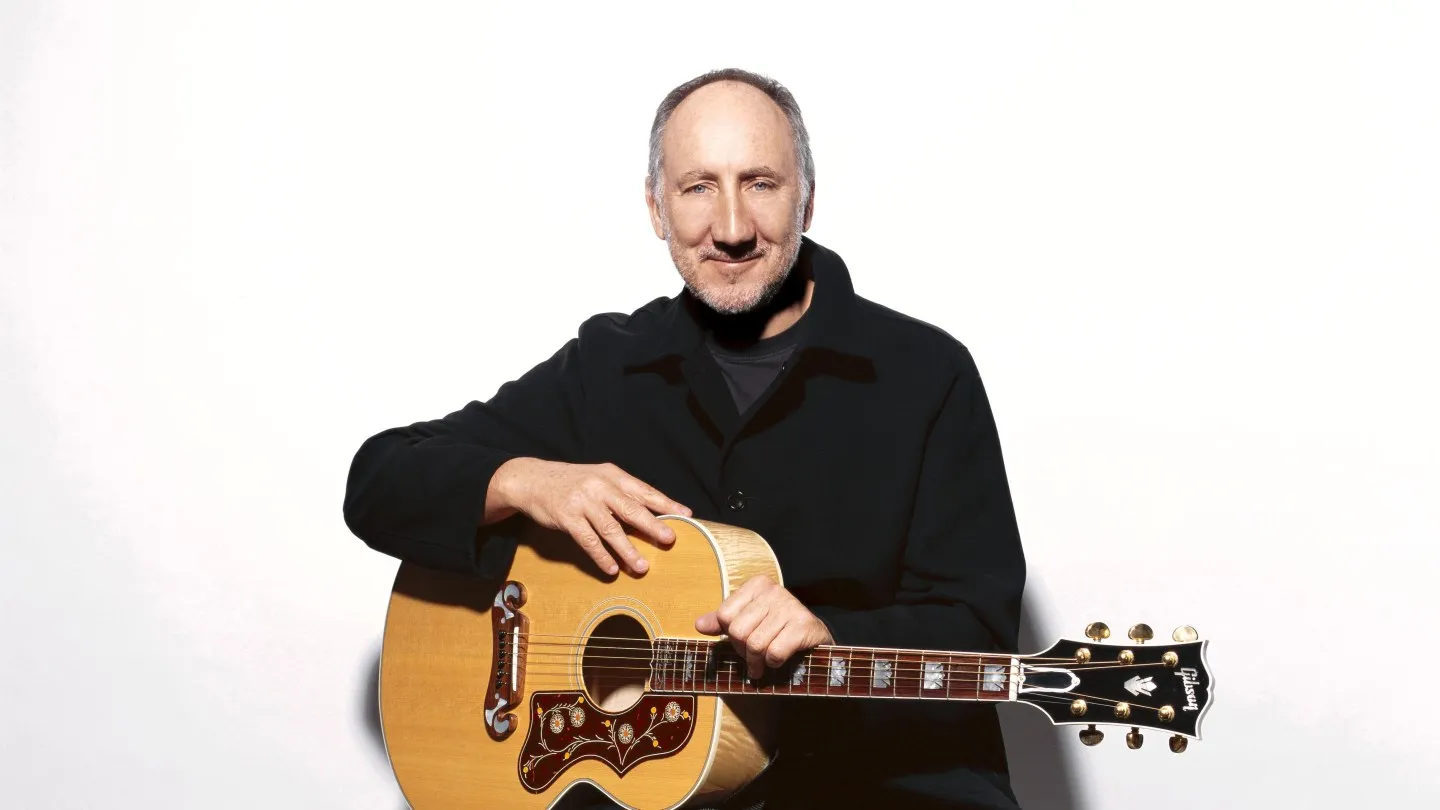
Pete Townshend’s new agreement with Primary Wave is being presented as another high-end catalog transaction, but the details available in the cluster suggest it is broader than a standard publishing resale and more revealing about where the music-rights business now makes its money. Variety reported that the deal covers certain publishing rights, name, image and likeness assets and the exploitation of future creative projects, while The Hollywood Reporter described it as a partnership centered on Townshend’s name, image and likeness with additional work around branding, content opportunities and future use of the catalog in film and television. Put plainly, this is not just a story about old songs changing hands. It is a story about a rights company trying to organize songs, persona and future commercial extensions under a single long-term partnership model.Pete Townshend’s Publishing Catalog and Other Rights Acquired by Primary Wave Music in Nine-Figure Dealvariety.com·SecondaryPete Townshend — Rock and Roll Hall of Famer, solo artist and legendary main songwriter for the Who — has partnered with powerhouse publisher Primary Wave Music in a nine-figure deal that sees the company acquiring certain publishing rights, along with name, image and likeness assets and the “exploitation of future creative projects.” Terms of the deal were not disclosed and a rep for Primary Wave Music declined to provide further details.
The financial framing matters even though the parties did not publish a price. Variety described the transaction as a nine-figure deal, while both reports said formal terms were not disclosed. That means the public is being asked to understand the scale through informed trade reporting rather than through company filings, but the signal is still clear: Townshend’s work remains valuable enough that a specialist rights buyer sees room for a very large bet at this stage of his career. In a market that has already spent years repricing heritage music assets higher, that is notable less because it is shocking than because it shows the top end of the catalog market is still willing to pay up when it believes the rights package is broad enough.Pete Townshend’s Publishing Catalog and Other Rights Acquired by Primary Wave Music in Nine-Figure Dealvariety.com·SecondaryPete Townshend — Rock and Roll Hall of Famer, solo artist and legendary main songwriter for the Who — has partnered with powerhouse publisher Primary Wave Music in a nine-figure deal that sees the company acquiring certain publishing rights, along with name, image and likeness assets and the “exploitation of future creative projects.” Terms of the deal were not disclosed and a rep for Primary Wave Music declined to provide further details.
Variety’s reporting suggests the package goes deeper than a loose promotional alliance. The outlet reported that Primary Wave acquired certain publishing rights and that rights to songs from Townshend’s catalog, including My Generation, Baba O’Riley, Behind Blue Eyes, Pinball Wizard, Won’t Get Fooled Again and Let My Love Open the Door, are included in the deal. Variety also said a spokesperson for Spirit Music confirmed that the company no longer holds those rights after acquiring Townshend’s publishing in 2017 for a reported $100 million following an initial acquisition five years earlier.Pete Townshend’s Publishing Catalog and Other Rights Acquired by Primary Wave Music in Nine-Figure Dealvariety.com·SecondaryPete Townshend — Rock and Roll Hall of Famer, solo artist and legendary main songwriter for the Who — has partnered with powerhouse publisher Primary Wave Music in a nine-figure deal that sees the company acquiring certain publishing rights, along with name, image and likeness assets and the “exploitation of future creative projects.” Terms of the deal were not disclosed and a rep for Primary Wave Music declined to provide further details. That history matters because it suggests the latest deal is not creating value from untouched ground; it is repricing and regrouping rights that were already recognized as premium assets years ago.Pete Townshend’s Publishing Catalog and Other Rights Acquired by Primary Wave Music in Nine-Figure Dealvariety.com·SecondaryPete Townshend — Rock and Roll Hall of Famer, solo artist and legendary main songwriter for the Who — has partnered with powerhouse publisher Primary Wave Music in a nine-figure deal that sees the company acquiring certain publishing rights, along with name, image and likeness assets and the “exploitation of future creative projects.” Terms of the deal were not disclosed and a rep for Primary Wave Music declined to provide further details.
The Hollywood Reporter’s account fills in the second half of the strategy. Its report said Primary Wave is already working with Townshend to establish a broader social-media footprint and is also working with the copyright holders on his catalog to get his music placed in films and television. That points to a common logic in the current rights market: ownership or control over songs alone is useful, but it becomes more powerful when it can be paired with brand management, digital identity and coordinated licensing strategy. For a company like Primary Wave, the appeal is obvious. A Townshend song, a Townshend archival project, a Townshend image campaign and a Townshend screen-placement effort can all reinforce one another if they are handled under one commercial umbrella.Pete Townshend’s Publishing Catalog and Other Rights Acquired by Primary Wave Music in Nine-Figure Dealvariety.com·SecondaryPete Townshend — Rock and Roll Hall of Famer, solo artist and legendary main songwriter for the Who — has partnered with powerhouse publisher Primary Wave Music in a nine-figure deal that sees the company acquiring certain publishing rights, along with name, image and likeness assets and the “exploitation of future creative projects.” Terms of the deal were not disclosed and a rep for Primary Wave Music declined to provide further details.
Supporters of this model will say it is simply rational stewardship of valuable intellectual property. Townshend’s catalog has already proved unusually adaptable across formats. Variety noted that his songs have appeared in archival releases, films, commercial synchronization deals, musicals and even ballets, and it pointed to repeated reimaginings of Tommy and Quadrophenia over the decades. The same report said Tommy was revived in 2024 and that Quadrophenia music returned in 2025 as a ballet in London. If a catalog has already shown it can travel across stage, screen, archive and live-performance contexts, a rights company can plausibly argue that integrated commercial management is not exploitation in the pejorative sense but organization of demand that already exists.Pete Townshend’s Publishing Catalog and Other Rights Acquired by Primary Wave Music in Nine-Figure Dealvariety.com·SecondaryPete Townshend — Rock and Roll Hall of Famer, solo artist and legendary main songwriter for the Who — has partnered with powerhouse publisher Primary Wave Music in a nine-figure deal that sees the company acquiring certain publishing rights, along with name, image and likeness assets and the “exploitation of future creative projects.” Terms of the deal were not disclosed and a rep for Primary Wave Music declined to provide further details.
There is, however, a less flattering way to read the same transaction, and it is worth taking seriously even in a business story. The broader the package, the more a heritage artist’s work risks being treated not just as music but as a fully financialized brand environment in which songs, identity, historical prestige and future projects are all monetizable inventory. Neither cluster source presents the deal that critically, so that caution should not be overstated as an external fact. But it is a fair inference from the structure reported by both outlets: when name, image and likeness rights sit alongside publishing and future creative exploitation, the commercial ambition is clearly larger than passive royalty collection.Pete Townshend’s Publishing Catalog and Other Rights Acquired by Primary Wave Music in Nine-Figure Dealvariety.com·SecondaryPete Townshend — Rock and Roll Hall of Famer, solo artist and legendary main songwriter for the Who — has partnered with powerhouse publisher Primary Wave Music in a nine-figure deal that sees the company acquiring certain publishing rights, along with name, image and likeness assets and the “exploitation of future creative projects.” Terms of the deal were not disclosed and a rep for Primary Wave Music declined to provide further details.
Primary Wave’s own trajectory also helps explain why Townshend is a strategic fit. The Hollywood Reporter said the company closed a landmark acquisition of music publisher Kobalt earlier this year and described Primary Wave as one of the most powerful independent music companies in the industry. Variety, for its part, listed a long roster of catalog and estate relationships across major artists including Bob Marley, Prince, Stevie Nicks, Whitney Houston, Smokey Robinson, Burt Bacharach, Patti LaBelle and many others. That does not prove every deal works equally well, but it does show that Townshend is joining a platform that has made scale itself part of the pitch. The company is not simply buying songs one by one. It is building a portfolio large enough to shape licensing leverage, catalog packaging and artist-brand services across the legacy market.Pete Townshend’s Publishing Catalog and Other Rights Acquired by Primary Wave Music in Nine-Figure Dealvariety.com·SecondaryPete Townshend — Rock and Roll Hall of Famer, solo artist and legendary main songwriter for the Who — has partnered with powerhouse publisher Primary Wave Music in a nine-figure deal that sees the company acquiring certain publishing rights, along with name, image and likeness assets and the “exploitation of future creative projects.” Terms of the deal were not disclosed and a rep for Primary Wave Music declined to provide further details.
Townshend is also not entering the arrangement as a retired figure who has stopped producing or curating work. Variety’s account emphasized that he continues to write songs, stories and poetry, to draw and paint, and to work on charitable efforts for young creative people, while both reports describe the partnership in future-facing terms rather than as an estate-style cleanup transaction. That is one reason the NIL component matters. If there are still live projects, fresh archival products and new creative initiatives to manage, then control of the artist identity becomes commercially important in a way that goes beyond the back catalog alone. Primary Wave appears to be buying not only accumulated cultural capital but a role in whatever Townshend chooses to do next.Pete Townshend’s Publishing Catalog and Other Rights Acquired by Primary Wave Music in Nine-Figure Dealvariety.com·SecondaryPete Townshend — Rock and Roll Hall of Famer, solo artist and legendary main songwriter for the Who — has partnered with powerhouse publisher Primary Wave Music in a nine-figure deal that sees the company acquiring certain publishing rights, along with name, image and likeness assets and the “exploitation of future creative projects.” Terms of the deal were not disclosed and a rep for Primary Wave Music declined to provide further details.
The deal also says something about how older rock catalogs are now valued in public-facing business culture. Townshend has sold over 100 million albums as a solo artist and member of the Who, according to Variety, and the report points to a long line of institutional recognition from the Rock and Roll Hall of Fame to major lifetime achievement honors. Those kinds of credentials do not create cash flow by themselves, but they help explain why corporate buyers believe a catalog can keep generating new economic life decades after the songs were written. Legacy works that once mainly earned through radio play, physical sales and touring can now be reworked through streaming, supervised placements, social content, archival repackaging and branded storytelling. In that sense, Townshend’s transaction is not just about one artist; it is about the continuing extension of the monetization window for classic-rock assets.Pete Townshend’s Publishing Catalog and Other Rights Acquired by Primary Wave Music in Nine-Figure Dealvariety.com·SecondaryPete Townshend — Rock and Roll Hall of Famer, solo artist and legendary main songwriter for the Who — has partnered with powerhouse publisher Primary Wave Music in a nine-figure deal that sees the company acquiring certain publishing rights, along with name, image and likeness assets and the “exploitation of future creative projects.” Terms of the deal were not disclosed and a rep for Primary Wave Music declined to provide further details.
What happens next is more important than the celebratory language that usually surrounds these announcements. The key question is not whether Townshend deserves a large deal. The source material already makes clear why his work commands one. The real question is whether Primary Wave can use the wider rights bundle to generate genuinely additive cultural and commercial activity rather than simply extract more value from a finite group of known songs. If more film and television placements emerge, if new archival or stage projects are developed coherently and if Townshend’s digital footprint becomes more intentional, the company will be able to argue that this was a growth partnership rather than a mature-asset strip.Pete Townshend Enters Name, Image and Likeness Partnership with Primary Wavehollywoodreporter.com·SecondaryPete Townshend is entering a new partnership with Primary Wave focused on the legendary The Who co-founder’s name, image and likeness, the company confirmed on Thursday. Financial terms of the partnership weren’t disclosed. In a press release, Primary Wave touted the deal’s “potential for branding and content opportunities. If the results feel mostly like branding exercises attached to familiar titles, skeptics will say the modern catalog boom is drifting from stewardship toward over-management.
For now, the safest conclusion is narrower. Townshend has agreed to a broad rights partnership with one of the most aggressive and best-capitalized operators in the music-rights market, and the structure described by the cluster reports shows why such deals still attract nine-figure valuations. The songs matter, but so do the artist’s image, legacy, licensing flexibility and capacity for future projects. That combination is why the agreement stands out. It captures the current logic of the catalog business in one case: old music is no longer valued only as a stream of royalties, but as a platform for coordinated brand, screen, archive and identity management over a very long commercial tail.Pete Townshend’s Publishing Catalog and Other Rights Acquired by Primary Wave Music in Nine-Figure Dealvariety.com·SecondaryPete Townshend — Rock and Roll Hall of Famer, solo artist and legendary main songwriter for the Who — has partnered with powerhouse publisher Primary Wave Music in a nine-figure deal that sees the company acquiring certain publishing rights, along with name, image and likeness assets and the “exploitation of future creative projects.” Terms of the deal were not disclosed and a rep for Primary Wave Music declined to provide further details.
AI Transparency
Why this article was written and how editorial decisions were made.
Why This Topic
Recovery-first inspection turned up only stale March leftovers and no strong same-day salvage candidate, so a fresh cluster was justified. Among fresh items above threshold, this was the strongest clean entertainment/business case that did not materially overlap the latest published CT feed. It also had a workable source core, valid landscape imagery and a clear public-interest angle about how the modern music-rights market increasingly bundles catalog, identity and future projects into one monetization strategy.
Source Selection
All numbered citations are anchored only to the cluster’s two own trade-report signals: Variety and The Hollywood Reporter. Those reports provide the factual spine for the deal structure, the nondisclosed but nine-figure scale, the named songs included, the Spirit Music history, the NIL and social-media strategy, the film/TV licensing angle, and Primary Wave’s broader acquisition posture. I avoided importing extra factual claims from outside reporting so the citation map stays clean for editorial review.
Editorial Decisions
Straight business-and-culture framing. Keep the tone descriptive, not boosterish, and treat the deal as both a catalog transaction and a broader rights-aggregation strategy. Give the stewardship case and the commercialization concern comparable weight without moralizing.
Reader Ratings
About the Author
Sources
- 1.variety.comSecondary
- 2.hollywoodreporter.comSecondary
Editorial Reviews
1 approved · 0 rejectedPrevious Draft Feedback (1)
• depth_and_context scored 5/3 minimum: The article excels at providing deep context, moving beyond the simple transaction details to explain the structural shifts in the music rights market. It successfully frames the deal as a symptom of a larger trend—the monetization of intellectual property and artist identity—rather than just a single event. • narrative_structure scored 4/3 minimum: The structure is highly effective, using the initial transaction as a hook and building a logical argument through subsequent paragraphs. It maintains a strong, focused thesis (the shift from song value to brand value) but could benefit from a slightly more explicit 'nut graf' early on to guide the reader immediately to the core argument. • perspective_diversity scored 4/3 minimum: The article does a good job of presenting multiple viewpoints, including the 'rational stewardship' argument and the 'financialized brand environment' critique. To achieve a perfect score, it should dedicate a small section to a third perspective, such as an expert opinion on the *future* regulatory challenges facing catalog rights management. • analytical_value scored 5/3 minimum: The analysis is consistently strong, interpreting the deal's implications for the entire industry, not just Townshend. It repeatedly asks 'why this matters' (e.g., the shift from royalties to brand platforms) and provides forward-looking conclusions, making it highly valuable for industry readers. • filler_and_redundancy scored 5/2 minimum: The writing is extremely tight and efficient. Every paragraph advances the core argument or provides necessary supporting evidence, avoiding padding or repetition. The length is justified by the depth of the analysis provided. • language_and_clarity scored 5/3 minimum: The language is precise, sophisticated, and highly engaging, using strong verbs and clear, authoritative phrasing. It avoids generic AI-speak and handles complex industry terminology (e.g., 'NIL component,' 'cultural capital') with expert clarity.


Discussion (0)
No comments yet.