Warner Bros. Discovery Sets April 23 Shareholder Vote on Paramount Skydance Deal
Warner Bros. Discovery has scheduled an April 23 shareholder vote on Paramount Skydance’s cash acquisition, moving the $110 billion media deal into a decisive phase while antitrust scrutiny still looms.
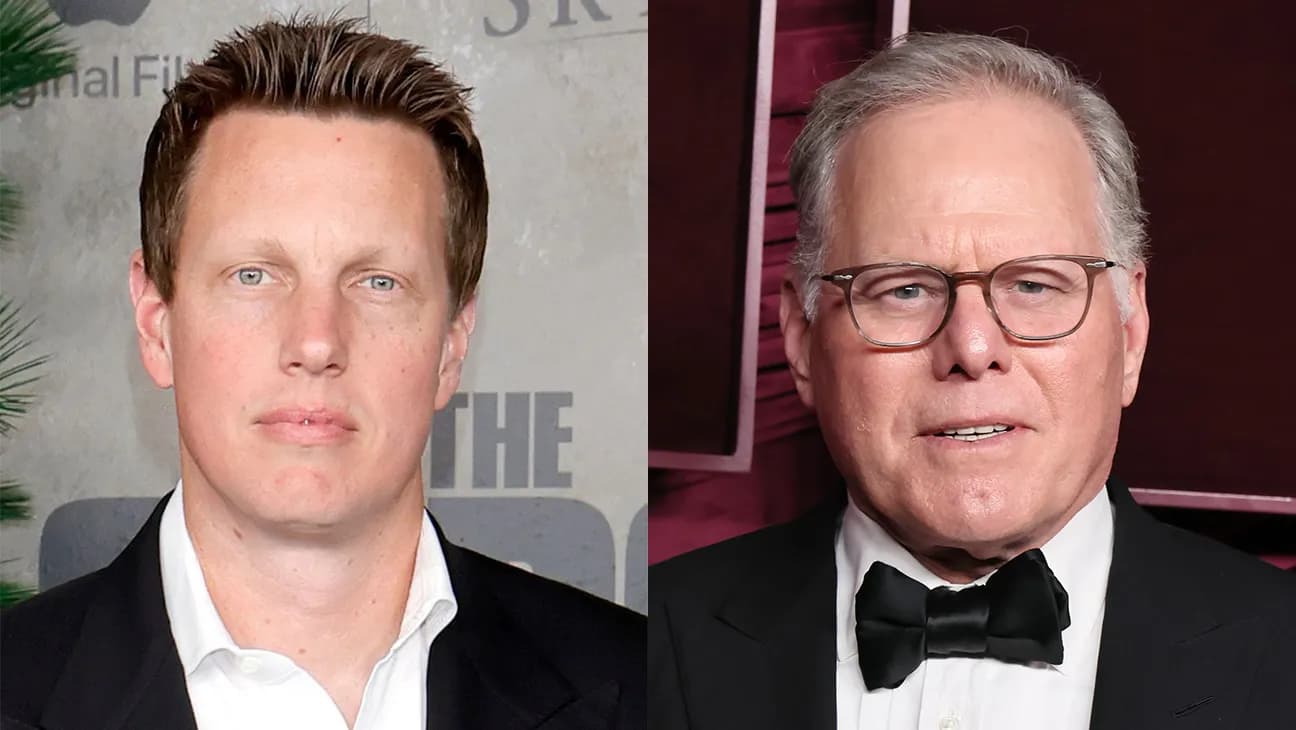
On Thursday, Warner Bros. Discovery moved one of the biggest media transactions of the year into its next formal phase by setting an April 23 shareholder vote on Paramount Skydance’s planned acquisition of the company. In practical terms, that means investors now have a date for the meeting that could either ratify management’s sale process or throw a major obstacle in front of it. The vote does not finish the deal by itself, but it does turn an abstract merger headline into a concrete timetable with clear milestones for shareholders, regulators, employees and competitors. For a media industry already reshaped by streaming losses, debt pressure and repeated rounds of consolidation, the scheduling of the vote matters because it tells the market both sides still believe the transaction is on track.
The structure on offer is unusually aggressive. Under the merger terms described in Warner filings and trade coverage, Warner Bros. Discovery shareholders would receive $31 in cash for each share they own, a figure framed as a 147 percent premium to the unaffected share price of $12.54 before the bidding battle intensified. Paramount would also assume roughly $33 billion of Warner debt, leaving the combined company with an estimated $79 billion in long-term debt, a burden large enough to shape strategy from day one. That mix of premium pricing and heavy leverage is why the proposed tie-up has drawn both enthusiasm from deal backers and concern from skeptics who see another debt-laden media giant being assembled in a difficult operating environment.
Management and board leaders are presenting the vote as the culmination of a deliberate process rather than a hurried sale. Warner said it had begun mailing the definitive proxy statement to shareholders, and only holders of record as of March 20 will be entitled to vote at the special meeting. The board has unanimously recommended support for the merger, signaling that directors believe the cash offer and the certainty attached to it are better than the alternatives that were available after months of strategic maneuvering. That recommendation is important because it tells investors there is no visible split inside Warner’s top ranks about whether to sell, even if there will still be debate over valuation, future jobs and regulatory risk.
The industrial logic of the combination is easy to state even if it is harder to prove. Paramount Skydance would gain Warner’s collection of assets, including HBO and HBO Max, Warner Bros. film and television studios, DC, CNN, TBS, TNT, HGTV and Discovery+ alongside the Paramount portfolio that includes CBS, CBS News, Paramount Pictures, Paramount+, BET and Nickelodeon. In theory, that creates greater scale in streaming, a broader film and television library, more leverage in advertising and distribution, and a deeper bench of franchises at a moment when entertainment companies are chasing global reach and recurring subscriber revenue. Supporters of the deal argue that size is no longer a luxury in media; it is becoming a survival requirement.
Still, bigger is not automatically better, and the objections are not hard to find. Critics of large media mergers have spent years arguing that consolidation tends to reduce the number of major buyers for creative work, strengthen the hand of management over labor, and encourage cost cutting that shows up later as layoffs, thinner production slates or narrower editorial ambition. Those concerns sit in the background here because this would combine two major Hollywood operations and bring together powerful positions in film, television, streaming and news. Even where companies promise consumer benefits and creative opportunity, skeptics usually ask the same questions: Will subscription prices rise, will output fall, and will one more merger leave the industry with fewer independent centers of decision-making?Warner Bros. Discovery Sets Shareholder Vote On Sale To Paramountdeadline.com·SecondaryWarner Bros. Discovery has set April 23 at 10 am ET for a special meeting of shareholders to vote on the media giant’s sale to David Ellison’s Paramount Skydance, a key step forward in the process. WBD said in an SEC filing Thursday that it started mailing definitive proxy statements to shareholders ahead of the meeting where stockholders of record as of 5 pm ET on March 20, 2026 are entitled to vote.
Regulatory scrutiny is therefore not a side issue. It is the real second battlefield after the shareholder vote. Coverage around the transaction has stressed that the deal is expected to close in the third quarter of 2026 only if it clears antitrust review and wins shareholder backing. That timeline matters because some market observers had speculated that political connections around the Ellison family might smooth the path. Yet the acting head of the Justice Department’s antitrust division, Omeed Assefi, said last week that the merger would not receive a fast track because of political factors.Warner Sets Date for Shareholder Vote on Paramount Dealsj.com·Unverified That is a notable signal: whatever private confidence dealmakers may have, Washington is at least publicly insisting this review will be handled as a conventional competition case rather than as a political favor.Warner Sets Date for Shareholder Vote on Paramount Dealsj.com·Unverified
The economics of delay also show how serious Paramount is about closing. If the transaction has not closed by September 30, Warner shareholders are supposed to receive a ticking fee of 25 cents per share for each quarter until completion, measured daily. That provision does two things at once. It compensates shareholders for time lost if regulators or procedural hurdles slow the process, and it increases pressure on Paramount to get the deal over the line rather than let it drift. The existence of that clause suggests the parties understood from the outset that this was not a frictionless merger and that delay risk needed to be priced into the agreement.
There is also a more political dimension inside Warner itself. David Zaslav stands to receive more than $550 million in stock and cash when the transaction closes, including a sizable cash severance component, while other senior executives are in line for merger-related payouts worth more than $100 million, according to Variety’s account of the filing details. Even if every payment complies with contract terms and proxy disclosure rules, those figures are certain to sharpen criticism from investors and workers who see the media business demanding austerity from employees while awarding enormous exit packages at the top. This is where official company language about consumer choice, creative opportunity and stakeholder benefits meets a more hard-edged reality: blockbuster mergers often enrich leadership immediately, while everyone else waits to see whether the promised synergies become growth, cuts or both.
What happens next is relatively clear even if the outcome is not. Warner shareholders now have a set date to approve or reject the cash deal, and the companies can point to that timetable as evidence of momentum. But the larger fight will continue after April 23, because regulators still have to decide whether combining these assets would harm competition or reduce choices for consumers and producers. That is why the right way to read this week’s announcement is not as the end of the story but as a transition from boardroom maneuvering to a more exposed phase of the contest. The deal’s supporters can argue that scale, certainty and consumer breadth justify the merger. Its opponents can argue that debt, concentration and future cuts are the more plausible legacy.Warner Sets Date for Shareholder Vote on Paramount Dealsj.com·Unverified Both views now have a date around which to organize.
In that sense, the scheduled vote is newsworthy not because it resolves the fate of Warner Bros. Discovery, but because it reveals how the next chapter will be fought. Shareholders are being asked to decide whether a premium cash exit outweighs the risks of handing another huge slice of the American media system to a newly enlarged Paramount Skydance. Regulators are being asked whether this is efficient industrial consolidation or one more step toward a smaller, more centralized entertainment market. And the broader industry is being reminded that, even after years of painful retrenchment, the answer many executives still prefer is not less scale but more. That may prove to be shrewd strategy, or it may prove to be another expensive bet that looks cleaner in a proxy statement than in the real economy of newsrooms, studios and streaming platforms.Warner Sets Date for Shareholder Vote on Paramount Dealsj.com·Unverified
AI Transparency
Why this article was written and how editorial decisions were made.
Why This Topic
This cluster is the strongest available because it combines a top newsworthiness score with a concrete procedural milestone in a major media merger. A dated shareholder vote turns a long-running takeover narrative into a near-term decision point with direct implications for investors, regulators, employees and the competitive structure of film, TV, streaming and news. It is more consequential than the next-ranked business items because it touches ownership, debt, antitrust review and industry consolidation at once.
Source Selection
The source base is strong enough for publication because the cluster contains multiple independent reports from Variety, Deadline and The Hollywood Reporter plus company-issued filing language reflected in the coverage and confirmed by the PRNewswire announcement. Those sources align on the core verified facts: the April 23 vote date, the $31-per-share cash consideration, the board recommendation, the expected Q3 close and the ticking-fee structure. I avoided unsupported newer claims and direct quotations, relying instead on overlapping facts present in the cluster signals.
Editorial Decisions
Straight news framing with a business-policy lens. Descriptive headline, no moralizing, no loaded language. Give equal space to the pro-deal case on scale and consumer breadth and the anti-deal case on debt, concentration and layoffs. Avoid direct quotes; paraphrase source claims closely for evidence gate safety.
Reader Ratings
About the Author
Sources
- 1.sj.comUnverified
- 2.deadline.comSecondary
- 3.hollywoodreporter.comSecondary
- 4.variety.comSecondary
- 5.i-invdn-com.investing.comSecondary
- 6.marketwatch.comUnverified
Editorial Reviews
1 approved · 0 rejectedPrevious Draft Feedback (1)
Warnings: • [image] CoverImageUrl check timed out (10s). The image may be slow to load. • [article_quality] Gate check failed: Service request failed. Status: 502 (Bad Gateway) • [image_relevance] Image relevance check failed: Service request failed. Status: 502 (Bad Gateway)



Discussion (0)
No comments yet.