Sweden says Russia-linked group tried to sabotage heating plant as Europe warns of broader critical-infrastructure campaign
Sweden said Wednesday a Russia-linked group tried to carry out a destructive cyberattack on a heating plant in western Sweden last year, adding to a wider European pattern of pressure on energy and water systems that officials say has grown riskier since Russia's war in Ukraine.[1][2][3]
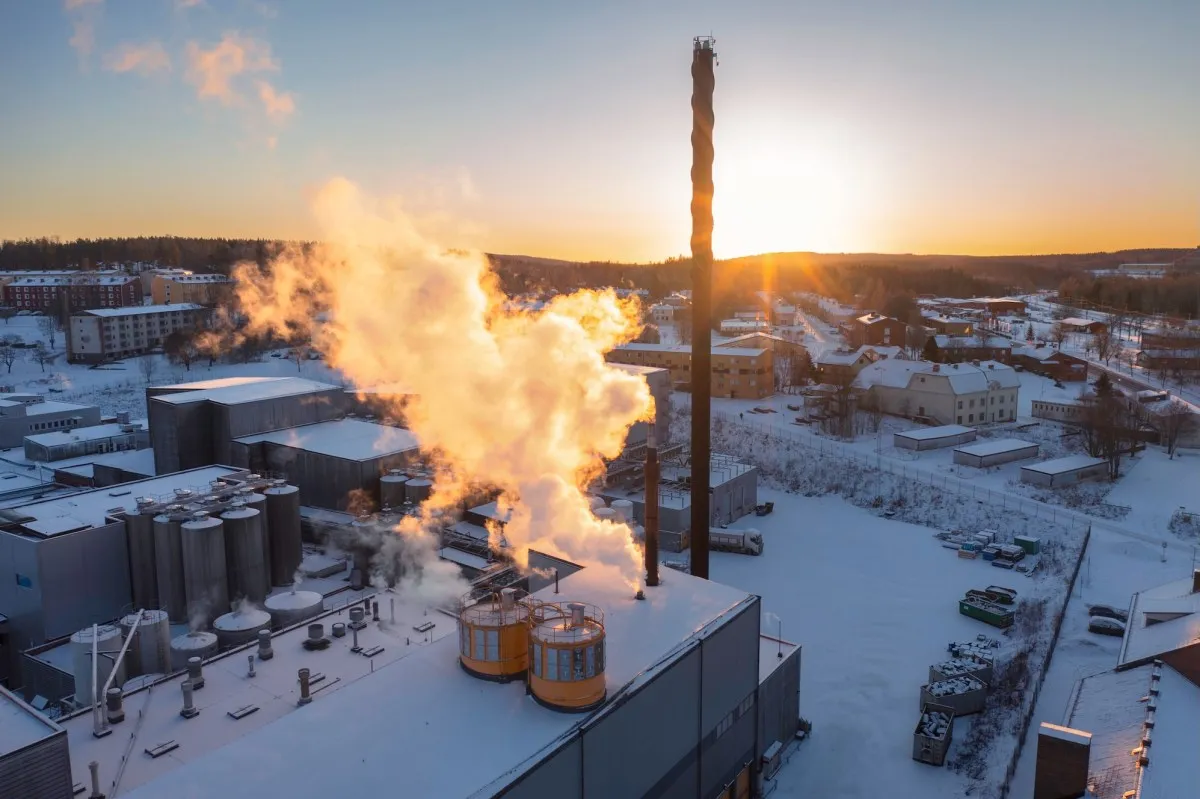
Sweden on Wednesday publicly blamed a pro-Russian group with ties to Russian security and intelligence services for an attempted cyberattack on a heating plant in western Sweden last year, turning what had previously been a quiet security incident into a broader warning about the pressure facing European critical infrastructure. The Swedish account matters because it does not describe another nuisance website disruption or denial-of-service burst. Officials say the target was an operational system tied to real-world energy infrastructure, and they presented the episode as part of a shift from noisy but limited cyber harassment toward attacks that could have produced physical disruption if defenses had failed.
Civil Defense Minister Carl-Oskar Bohlin said the attempted attack occurred in spring 2025 and did not succeed because built-in protection mechanisms at the facility stopped it. Swedish officials did not identify the plant publicly and did not release technical details, a choice that leaves some operational questions unanswered but also fits the usual practice of withholding specifics that might reveal vulnerabilities. Even with those limits, the government framed the case as Sweden's first public disclosure of a destructive cyber attempt against one of its energy facilities.Sweden blames pro-Russian group for cyberattack on energy infrastructureapnews.com·SecondaryThe Swedish government on Wednesday said a pro-Russian group with links to Russia’s security and intelligence services was behind a cyberattack on a heating plant last year. The announcement followed warnings from officials in Poland, Norway, Denmark and Latvia that Russia is attacking critical infrastructure across Europe. Sweden’s minister for civil defense, Carl-Oskar Bohlin, said the attack on a heating plant in western Sweden failed, giving no further details.
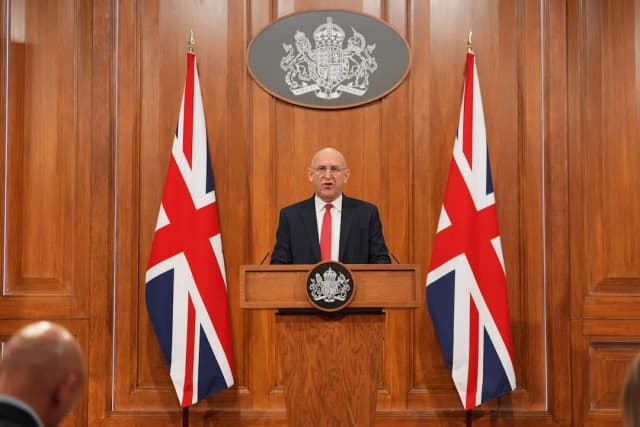
The official Swedish message was that the threat environment has changed. Bohlin said groups that had previously relied on denial-of-service tactics are now attempting more destructive intrusions against organizations in Europe, and he linked that shift to a broader pattern of more reckless behavior directed at infrastructure that societies depend on every day. That language is significant because European governments have spent years warning that cyber conflict would eventually move from data theft and temporary service outages toward systems that control heat, electricity, water and transport. Sweden is now saying that threshold was tested on its own territory.
The comparison points cited by Sweden and other outlets reinforce that this is not an isolated national story. AP reported that Bohlin compared the Swedish case to coordinated attacks in Poland in December that hit combined heat and power plants serving almost 500,000 customers as well as wind and solar facilities. TechCrunch noted earlier accusations involving Poland, a Norway dam incident, and the longer history of cyber operations against Ukrainian energy systems. Politico added that Western agencies this month exposed a broad campaign tied to Fancy Bear that used poorly secured routers to gather credentials and sensitive information from governments and militaries in Europe and North America. Put together, those episodes describe a pattern of probing and pressure against infrastructure and the institutions around it rather than a one-off embarrassment for Stockholm.
There is also an important political dimension. European officials increasingly argue that sabotage, coercive cyber activity and infrastructure pressure are being used to weaken domestic confidence and to raise the cost of supporting Ukraine. AP said Western officials have linked more than 150 incidents of sabotage and other malign activity across Europe to Russia since the full-scale invasion of Ukraine in February 2022. Swedish authorities did not present the heating-plant attempt as an act of conventional warfare, but they clearly treated it as part of the same gray-zone contest in which states and state-linked actors test how much disruption they can create without crossing into open military confrontation.Russia ramps up ‘destructive’ cyberattacks on Europe, says Swedenpolitico.eu·SecondaryRussia-linked hackers are increasing cyberattacks targeted at Europe's critical infrastructure, Sweden's defense ministry said Wednesday. “Over the past year, Russia’s methods have shifted,” Civil Defense Minister Carl-Oskar Bohlin said at a press conference in Stockholm. “Pro-Russian groups that once carried out denial-of-service attacks are now attempting destructive cyberattacks against organizations in Europe,” he added.
That official framing deserves to be heard, but it also deserves to be tested carefully. Swedish officials have disclosed only a limited factual record so far. They have not named the facility, published forensic indicators, or described exactly how the attackers moved through the system before the protections stopped them. Outside observers therefore have to rely largely on government attribution and on the broader consistency of the claim with incidents reported elsewhere in Europe. In practical terms, that means the story is strong enough to matter politically and operationally, while still leaving room for skepticism about what can be proved publicly today. That is especially important in cyber matters, where states often reveal only part of what they know.
Russia's side of the argument is straightforward: the Kremlin has denied carrying out a sabotage campaign in Europe. That denial is politically predictable, but it is still part of the record and cannot simply be waved away. A fair reading is that European governments believe the campaign is real and escalating, while the public evidence released in each case arrives unevenly and often after long delays. Sweden's announcement adds weight to the European case because it comes from a government speaking about an attack on its own energy systems, not merely repeating accusations made by an ally. But it does not, by itself, settle every technical question about attribution, methods or command-and-control links.
For Sweden, the timing of the disclosure matters nearly as much as the underlying event. The attack itself happened last year, yet the public attribution came only now, when concern is rising across northern and central Europe about the resilience of energy, telecom and transport networks. That gap may reflect a long investigation, intelligence sensitivities or a decision that officials now want to harden public expectations before the next incident rather than explain the last one after the fact. Either way, the message to Swedish operators is clear: cyber defense for critical infrastructure is no longer only an IT problem, and no country in the region should assume that geographic distance from the front lines is meaningful protection.
The story also lands in a broader debate about how Europe should respond. Security hawks will argue that the Swedish disclosure strengthens the case for tougher deterrence, more active countermeasures and less tolerance for ambiguity around Russia-linked operations. More cautious voices will say governments should avoid overstating incidents before they release fuller evidence, because public trust can be damaged if officials appear to make sweeping geopolitical claims from sparse disclosed facts. Both views have force. Infrastructure operators need urgency, but democratic governments also need credibility. If Sweden wants this case to become a durable warning rather than a one-day headline, fuller public detail will eventually help.
What happens next will probably be less dramatic than the headline but more important over time. Expect more money to flow into segmentation, industrial-control monitoring, backup manual controls and tighter supplier security across Nordic utilities. Expect, too, that more governments will speak publicly about attempts that were previously handled quietly, because attribution itself has become part of deterrence. The larger question is whether public naming can raise the cost for attackers or whether it mainly conditions European societies to accept that this level of hostile pressure is now permanent. Sweden's disclosure suggests officials believe silence is no longer the safer option.
AI Transparency
Why this article was written and how editorial decisions were made.
Why This Topic
This cluster is one of the strongest currently visible distinct stories on the board and clears the 6.0 threshold comfortably. It is more durable than thinner entertainment or earnings items because it combines national-security attribution, critical-infrastructure risk, Russia-Europe tensions and real-world energy implications. It also offers natural perspective diversity: official Swedish warnings, broader European threat framing, and the Kremlin denial. That makes it a better recovery-safe publish candidate than lighter feature material.
Source Selection
The cluster has three strong, recent signals from Politico, TechCrunch and AP, all published within hours and all aligned on the core fact pattern: Sweden says a Russia-linked group attempted a destructive cyberattack on a western Swedish heating plant in 2025. AP adds the clearest regional comparison points and the Kremlin denial; Politico provides the minister's framing of a shift toward more destructive methods; TechCrunch adds operational context and European precedent. That mix is sufficient for a balanced, citation-grounded article without leaning on uncited outside claims.
Editorial Decisions
Descriptive, security-focused treatment with equal space for Sweden's official attribution, Europe's broader security interpretation, and the Kremlin denial. Avoided direct quotes and loaded language, kept skepticism about public evidence explicit, and framed the story as infrastructure resilience rather than moral commentary.
Reader Ratings
About the Author
Sources
- 1.politico.euSecondary
- 2.apnews.comSecondary
- 3.techcrunch.comSecondary
Editorial Reviews
1 approved · 0 rejectedPrevious Draft Feedback (1)
• depth_and_context scored 5/3 minimum: The article excels by consistently placing the specific incident within the broader context of escalating cyber conflict, linking it to historical attacks (Poland, Ukraine) and geopolitical pressures (supporting Ukraine). It successfully answers 'why it matters' by framing it as a shift in threat capability, not just a single event. • narrative_structure scored 4/3 minimum: The structure is strong, moving logically from the specific event (the Swedish attack) to the broader pattern (European attacks) and concluding with future implications. It could benefit from a slightly punchier lede that immediately establishes the stakes, rather than starting with the attribution itself. • perspective_diversity scored 4/3 minimum: The article effectively presents multiple viewpoints: the Swedish government's warning, the technical limitations of the evidence, Russia's denial, and the differing views of security hawks versus cautious voices. To improve, it could dedicate a slightly more robust section to the perspective of the *industrial operators* themselves, beyond just mentioning their need for urgency. • analytical_value scored 5/3 minimum: The analysis is excellent, moving beyond mere reporting to interpret the significance of the timing, the nature of the disclosure, and the implications for deterrence theory. It successfully weighs the political weight of the announcement against the technical gaps in the evidence. • filler_and_redundancy scored 5/2 minimum: The writing is dense with information but highly efficient; every paragraph advances the argument or provides necessary context. There is no discernible padding or repetition that inflates the word count without adding substance. • language_and_clarity scored 4/3 minimum: The prose is highly sophisticated, precise, and engaging, maintaining a professional, authoritative tone. The only minor area for improvement is occasionally over-relying on phrases like 'it is clear that' or 'it can be argued,' which slightly weaken the declarative force of the analysis.



Discussion (0)
No comments yet.