Swiss Consumer Prices Dip in January as Inflation Holds at 0.1 Percent
Switzerland's consumer price index fell 0.1 percent month-on-month in January 2026 while year-on-year inflation held steady at 0.1 percent, the Federal Statistical Office reported on Friday.
Feb 13, 2026, 09:03 AM
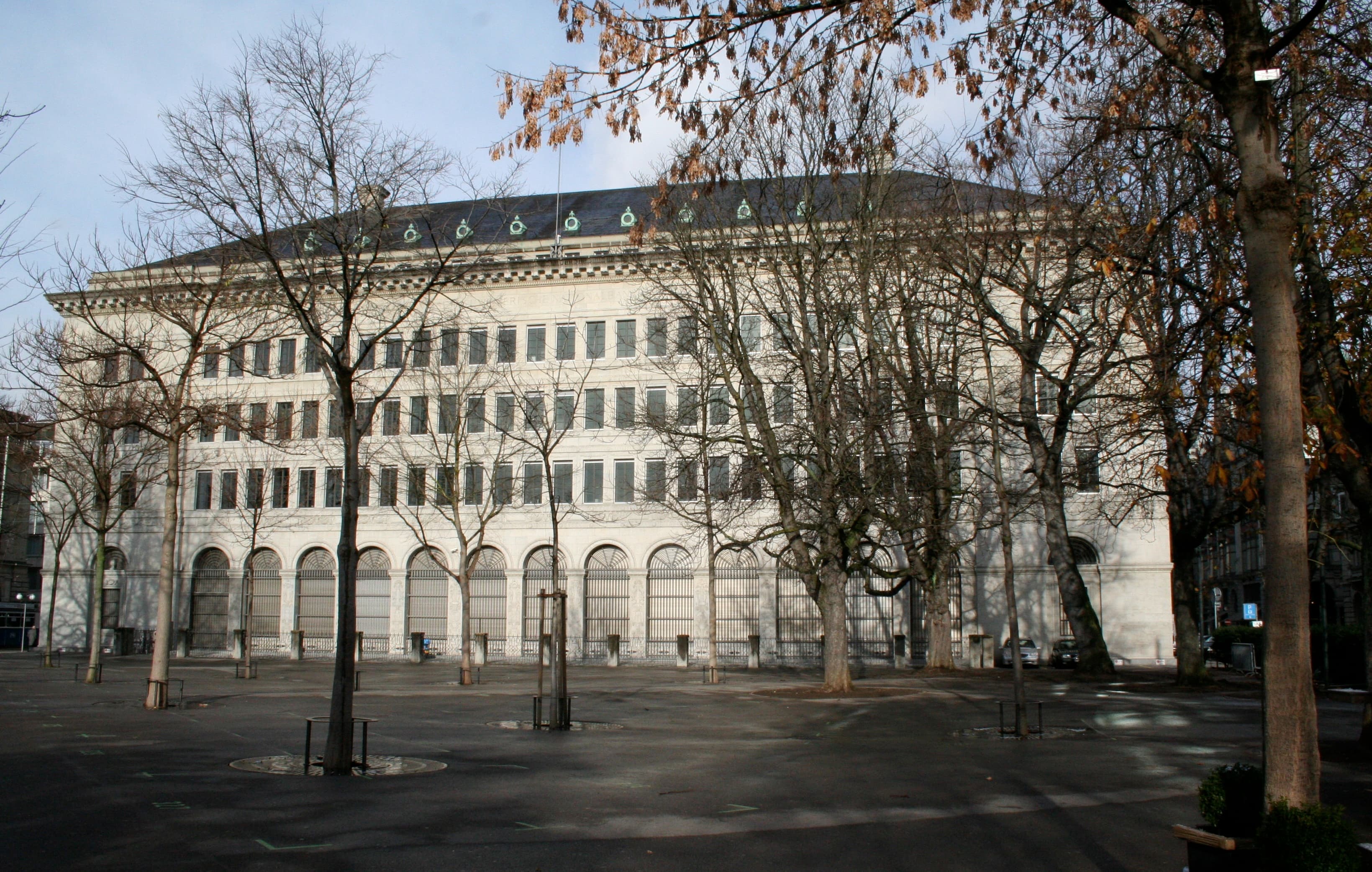
Switzerland's consumer prices edged lower in January 2026, with the national consumer price index slipping 0.1 percent from December to stand at 99.9 points, the Federal Statistical Office (BFS) announced on Friday Konsumentenpreise sind im Januar um 0,1 Prozent gefallennzz.ch·SecondaryLeichter Rückgang zum Jahresstart: Die Konsumentenpreise lagen im Januar leicht tiefer als im Dezember. ice. Die Inflation ist im Januar um 0,1 Prozent gesunken, wie das Bundesamt für Statistik am Freitag (13. 2.) mitteilte. Der Landesindex der Konsumentenpreise (LIK) lag im vergangenen Monat bei 99,9 Punkten und damit um 0,1 Prozent tiefer als im Vormonat. Im Vergleich zum Januar 2025 ergibt sich eine Teuerung von +0,1 Prozent. NZZ.ch benötigt JavaScript für wichtige Funktionen.. Year-on-year inflation held steady at just 0.1 percent, placing Switzerland among the lowest-inflation economies in Europe and reinforcing a pattern of near-zero price growth that has persisted for months.
The January figure came in at the lower end of expectations. Analysts surveyed by the AWP news agency had forecast year-on-year inflation between -0.1 and +0.4 percent Konsumentenpreise sind im Januar um 0,1 Prozent gefallennzz.ch·SecondaryLeichter Rückgang zum Jahresstart: Die Konsumentenpreise lagen im Januar leicht tiefer als im Dezember. ice. Die Inflation ist im Januar um 0,1 Prozent gesunken, wie das Bundesamt für Statistik am Freitag (13. 2.) mitteilte. Der Landesindex der Konsumentenpreise (LIK) lag im vergangenen Monat bei 99,9 Punkten und damit um 0,1 Prozent tiefer als im Vormonat. Im Vergleich zum Januar 2025 ergibt sich eine Teuerung von +0,1 Prozent. NZZ.ch benötigt JavaScript für wichtige Funktionen.. The result keeps Switzerland well within the Swiss National Bank's definition of price stability and is consistent with the SNB's December 2025 projection of average annual inflation of just 0.3 percent for the full year 2026.
Several categories drove the monthly decline. Electricity prices fell, as did rates for para-hotel accommodation such as holiday apartments and camping sites . Airfares also dropped, and clothing and footwear prices declined amid seasonal sales clearances . These decreases more than offset price increases in other areas, including hotel overnight stays, package holidays abroad, and motor vehicle insurance premiums Konsumentenpreise sind im Januar um 0,1 Prozent gefallennzz.ch·SecondaryLeichter Rückgang zum Jahresstart: Die Konsumentenpreise lagen im Januar leicht tiefer als im Dezember. ice. Die Inflation ist im Januar um 0,1 Prozent gesunken, wie das Bundesamt für Statistik am Freitag (13. 2.) mitteilte. Der Landesindex der Konsumentenpreise (LIK) lag im vergangenen Monat bei 99,9 Punkten und damit um 0,1 Prozent tiefer als im Vormonat. Im Vergleich zum Januar 2025 ergibt sich eine Teuerung von +0,1 Prozent. NZZ.ch benötigt JavaScript für wichtige Funktionen..
Beneath the headline figure, a notable divergence persists between domestic and imported goods. Prices for domestically produced goods and services rose 0.5 percent year-on-year in January, pointing to underlying cost pressures in the Swiss economy . Imported goods, by contrast, saw prices fall 1.5 percent compared with the same month a year earlier, reflecting the continued strength of the Swiss franc against the euro and other currencies Konsumentenpreise sind im Januar um 0,1 Prozent gefallennzz.ch·SecondaryLeichter Rückgang zum Jahresstart: Die Konsumentenpreise lagen im Januar leicht tiefer als im Dezember. ice. Die Inflation ist im Januar um 0,1 Prozent gesunken, wie das Bundesamt für Statistik am Freitag (13. 2.) mitteilte. Der Landesindex der Konsumentenpreise (LIK) lag im vergangenen Monat bei 99,9 Punkten und damit um 0,1 Prozent tiefer als im Vormonat. Im Vergleich zum Januar 2025 ergibt sich eine Teuerung von +0,1 Prozent. NZZ.ch benötigt JavaScript für wichtige Funktionen.. Core inflation — which strips out volatile items such as fresh and seasonal products, energy, and fuel — held steady at 0.5 percent, unchanged from December Konsumentenpreise sind im Januar um 0,1 Prozent gefallennzz.ch·SecondaryLeichter Rückgang zum Jahresstart: Die Konsumentenpreise lagen im Januar leicht tiefer als im Dezember. ice. Die Inflation ist im Januar um 0,1 Prozent gesunken, wie das Bundesamt für Statistik am Freitag (13. 2.) mitteilte. Der Landesindex der Konsumentenpreise (LIK) lag im vergangenen Monat bei 99,9 Punkten und damit um 0,1 Prozent tiefer als im Vormonat. Im Vergleich zum Januar 2025 ergibt sich eine Teuerung von +0,1 Prozent. NZZ.ch benötigt JavaScript für wichtige Funktionen..
The BFS also noted that it published the January index using a newly recomposed consumer basket, adjusting the weighting of goods and services to reflect current consumption habits and market changes Konsumentenpreise sind im Januar um 0,1 Prozent gefallennzz.ch·SecondaryLeichter Rückgang zum Jahresstart: Die Konsumentenpreise lagen im Januar leicht tiefer als im Dezember. ice. Die Inflation ist im Januar um 0,1 Prozent gesunken, wie das Bundesamt für Statistik am Freitag (13. 2.) mitteilte. Der Landesindex der Konsumentenpreise (LIK) lag im vergangenen Monat bei 99,9 Punkten und damit um 0,1 Prozent tiefer als im Vormonat. Im Vergleich zum Januar 2025 ergibt sich eine Teuerung von +0,1 Prozent. NZZ.ch benötigt JavaScript für wichtige Funktionen.. This periodic revision is standard practice and ensures the index remains representative of actual household spending patterns in Switzerland.
The data arrives against a backdrop of intense scrutiny of the SNB's monetary policy stance. In December 2025 the central bank held its policy rate at zero percent after four consecutive cuts that brought the rate down from 1.75 percent in mid-2024. With inflation now hovering barely above zero, financial markets and economists are debating whether the SNB may eventually be forced to reintroduce negative interest rates — a tool it used from 2015 to 2022 to combat deflation and an overvalued franc.
Most economists surveyed in December expected the SNB to keep rates at zero throughout 2026, but the persistently low inflation readings have kept the door open for further easing. The SNB's own conditional forecast projects inflation rising only gradually, to 0.6 percent in 2027 and 0.8 percent in 2028, suggesting policymakers see no imminent return to the kind of price pressures experienced in 2022 and 2023 when global energy shocks pushed Swiss inflation above 3 percent.
Switzerland's ultra-low inflation stands in sharp contrast to the eurozone, where the European Central Bank has been cutting rates from a peak of 4 percent but still faces inflation above 2 percent. The divergence reflects both the franc's strength — which keeps import prices subdued — and structural features of the Swiss economy, including regulated electricity markets and relatively restrained fiscal spending.
For Swiss consumers, the near-zero inflation environment means real wages continue to grow even with modest nominal pay increases. However, the picture is less comfortable for the SNB, which must balance the risk of unwanted franc appreciation — driven by Switzerland's safe-haven status and interest-rate differential — against the constraints of a policy rate already at the zero lower bound.
The next key data point will be the February inflation release in March, followed by the SNB's monetary policy assessment on 20 March 2026, when policymakers will update their inflation forecast and decide whether the current rate stance remains appropriate in an economy flirting with deflation.
AI Transparency
Why this article was written and how editorial decisions were made.
Why This Topic
Swiss consumer price data released today by the Federal Statistical Office is a key economic indicator with direct implications for SNB monetary policy, the negative interest rate debate, and household purchasing power. The 0.1 percent year-on-year inflation figure — at the lower end of analyst expectations — is significant because it reinforces the possibility that the SNB may need to consider further monetary easing at its March assessment. The story has clear relevance for Swiss and European financial markets, monetary policy watchers, and the broader public concerned about the cost of living.
Source Selection
The two cluster signals — Tages-Anzeiger and NZZ — are Switzerland's leading quality newspapers and both published their reports within minutes of the official BFS data release on Friday morning. Both sources directly cite the Federal Statistical Office's press release and provide consistent data on the headline CPI figure, month-on-month change, and category-level price movements. The Tages-Anzeiger article includes additional context from AWP analyst surveys. Supplementary context on SNB policy comes from the central bank's own December 2025 monetary policy assessment, publicly available on snb.ch.
Editorial Decisions
This article covers the BFS consumer price release for January 2026, contextualising the 0.1 percent year-on-year inflation figure within the broader SNB monetary policy debate and the eurozone divergence. The piece draws on both cluster signals (Tages-Anzeiger and NZZ) for the core CPI data and adds background on SNB rate decisions, negative-rate speculation, and franc dynamics from publicly available central bank communications. Excluded: detailed breakdown of every sub-category in the CPI basket, as the signals did not provide granular data beyond the key movers. Also excluded: speculative analysis of individual consumer sectors. The focus is on macroeconomic implications rather than household-level guidance.
Reader Ratings
About the Author
Sources
- 1.nzz.chSecondary
- 2.tagesanzeiger.chSecondary
Editorial Reviews
1 approved · 0 rejectedPrevious Draft Feedback (1)
• depth_and_context scored 4/3 minimum: The article provides useful background on SNB policy, currency effects, and the revised CPI basket, giving readers context for why near-zero inflation matters; it could add more historical data or international comparisons beyond the eurozone for deeper perspective. • narrative_structure scored 4/3 minimum: It opens with a clear lede and follows with supporting details, causes, and implications, and ends with next steps (upcoming data and SNB meeting); the nut graf could be slightly sharper in tying the lead statistic to the central policy question earlier. • analytical_value scored 4/2 minimum: The article interprets the split between domestic and imported inflation, currency effects, and policy implications (including the zero bound and negative-rate history), offering forward-looking context; it could deepen analysis with scenario probabilities or market reaction details. • filler_and_redundancy scored 4/3 minimum: The draft is concise and generally avoids repetition; a few sentences reiterate the low-inflation theme, but overall most paragraphs add new information or nuance. • language_and_clarity scored 5/3 minimum: Writing is clear, precise and jargon-light; politically loaded labels are avoided and economic terms (core inflation, domestic vs imported prices) are explained succinctly, making the piece accessible to a broad audience. Warnings: • [article_quality] perspective_diversity scored 3 (borderline): The piece cites analysts, the SNB forecast and general market expectations but lacks direct quotes or viewpoints from SNB officials, consumer groups, businesses or opposition economists to broaden stakeholder perspectives. • [article_quality] publication_readiness scored 4 (borderline): The article reads like a polished news piece with proper structure and sourcing markers; minor improvements would be adding an attributed quote or a datapoint graphic and ensuring inline source links are formatted for publication.


Discussion (0)
No comments yet.