Trump Says Iran Wants a Ceasefire as Tehran Denies It and Fighting Continues
Donald Trump says Iran’s president wants a ceasefire tied to reopening the Strait of Hormuz, but Tehran calls the claim false as missile exchanges continue and allies press for de-escalation.[1][2]
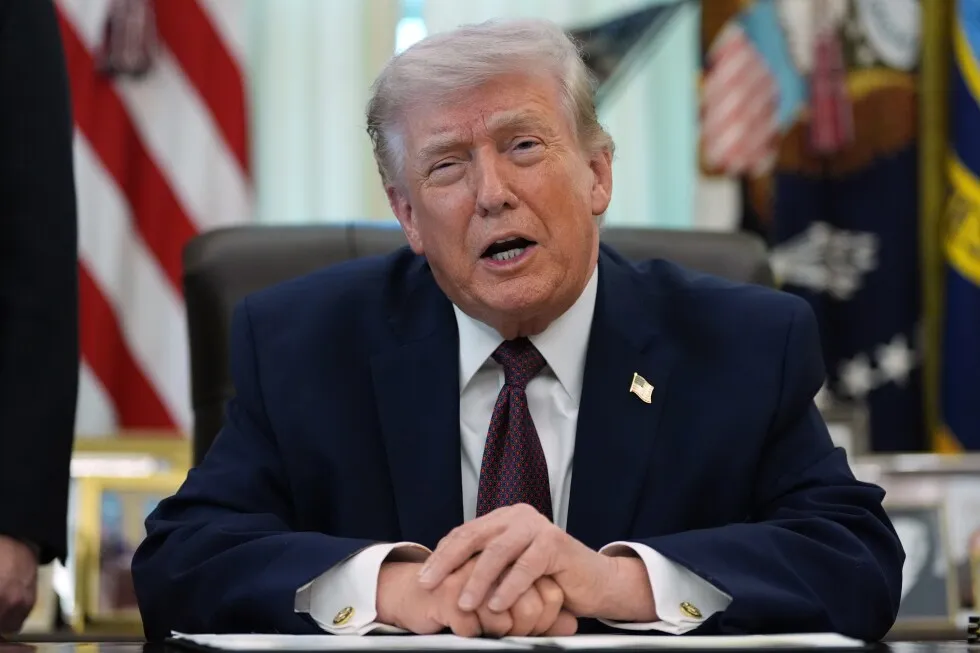
Donald Trump’s new claim that Iran’s president wants a ceasefire has opened a fresh layer of confusion in a war already defined by mixed signals, military escalation and competing public messages from Washington and Tehran. In the hours before a prime-time address to Americans, Trump said on social media that Iran’s "new regime president" had asked the United States for a ceasefire and that any pause would depend on reopening the Strait of Hormuz. Iran’s Foreign Ministry, through spokesman Esmail Baghaei, answered that the claim was false and baseless, while Iranian officials publicly framed their own posture not as surrender but as continued resistance under pressure.Trump claims Iran wants a ceasefire, Iran says remarks are ‘false and baseless’france24.com·SecondaryTo display this content from YouTube, you must enable advertisement tracking and audience measurement. One of your browser extensions seems to be blocking the video player from loading. To watch this content, you may need to disable it on this site. Donald Trump has claimed that Iran has asked the United States for a ceasefire -- adding that Washington would only consider it when the Strait of Hormuz reopens.
That matters because the ceasefire question is not a side note to the conflict. It goes to the core of how both sides want this war understood by domestic audiences, allies and energy markets. Trump’s version casts Iran as weakened and asking for relief on American terms, especially around the Strait of Hormuz, the maritime choke point that has become central to the war’s economic consequences. Iran’s version tries to deny the impression of strategic retreat and instead present the country as absorbing attacks while still imposing costs on its adversaries. The gap between those narratives is now wide enough that even basic questions about whether any real opening exists are contested.Trump claims Iran wants a ceasefire, Iran says remarks are ‘false and baseless’france24.com·SecondaryTo display this content from YouTube, you must enable advertisement tracking and audience measurement. One of your browser extensions seems to be blocking the video player from loading. To watch this content, you may need to disable it on this site. Donald Trump has claimed that Iran has asked the United States for a ceasefire -- adding that Washington would only consider it when the Strait of Hormuz reopens.
The immediate backdrop was active military danger, not diplomatic calm. AP reported that Iran launched missiles toward Israel early Thursday, with sirens sounding in Tel Aviv, central Israel and parts of the occupied West Bank. Israel’s emergency services said a 12-year-old, two seven-month-olds and a 24-year-old were mildly injured in central Israel from shattered glass, while an 11-year-old girl injured in an earlier strike in Bnei Brak remained in critical condition.Trump claims Iran’s president wants a ceasefire, Iran says that’s ‘false’apnews.com·SecondaryU.S. President Donald Trump claimed Iran wants a ceasefire, but Iran called that ‘false and baseless’ Israel’s emergency services say a 12-year-old and two 7-month-olds were mildly injured from shattered glass in central Israel in the first launch of missiles Thursday from Iran. A 24-year-old was also mildly injured in the same overnight incident in Bnei Brak, a city east of Tel Aviv that’s been struck repeatedly during the war, according to Magen David Adom rescue services. Israel’s military said it was working to intercept another launch, underscoring that whatever political language was circulating, the battlefield reality remained one of continued exchange rather than visible de-escalation.Trump claims Iran’s president wants a ceasefire, Iran says that’s ‘false’apnews.com·SecondaryU.S. President Donald Trump claimed Iran wants a ceasefire, but Iran called that ‘false and baseless’ Israel’s emergency services say a 12-year-old and two 7-month-olds were mildly injured from shattered glass in central Israel in the first launch of missiles Thursday from Iran. A 24-year-old was also mildly injured in the same overnight incident in Bnei Brak, a city east of Tel Aviv that’s been struck repeatedly during the war, according to Magen David Adom rescue services.
Trump’s public messaging also blended maximalist rhetoric with suggestions that the campaign could end quickly. In his national address, he said U.S. forces would "finish the job" in Iran soon and that core strategic objectives were nearing completion, while also warning that the United States would hit Iran "extremely hard" over the next two to three weeks. In separate comments earlier Wednesday, he floated the idea that the United States could simply take Iran’s oil, though he later sounded somewhat more measured in the televised speech.Trump claims Iran’s president wants a ceasefire, Iran says that’s ‘false’apnews.com·SecondaryU.S. President Donald Trump claimed Iran wants a ceasefire, but Iran called that ‘false and baseless’ Israel’s emergency services say a 12-year-old and two 7-month-olds were mildly injured from shattered glass in central Israel in the first launch of missiles Thursday from Iran. A 24-year-old was also mildly injured in the same overnight incident in Bnei Brak, a city east of Tel Aviv that’s been struck repeatedly during the war, according to Magen David Adom rescue services. The pattern is familiar by now: threats designed to project dominance, paired with claims that victory is close and that Washington retains freedom to stop when it chooses.Trump claims Iran’s president wants a ceasefire, Iran says that’s ‘false’apnews.com·SecondaryU.S. President Donald Trump claimed Iran wants a ceasefire, but Iran called that ‘false and baseless’ Israel’s emergency services say a 12-year-old and two 7-month-olds were mildly injured from shattered glass in central Israel in the first launch of missiles Thursday from Iran. A 24-year-old was also mildly injured in the same overnight incident in Bnei Brak, a city east of Tel Aviv that’s been struck repeatedly during the war, according to Magen David Adom rescue services.
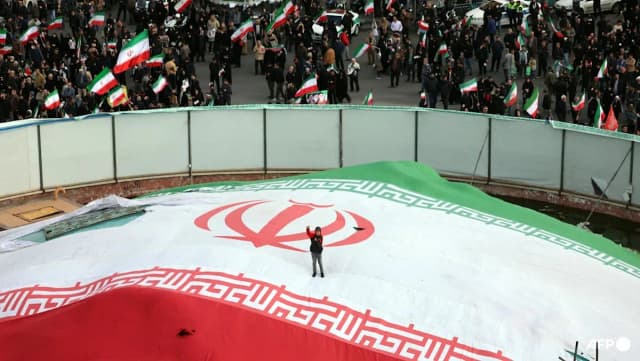
Iran, for its part, has tried to answer that pressure without conceding Trump’s central point. President Masoud Pezeshkian, in a letter posted in English on his X account and quoted by AP, asked which American interests were truly being served by the war and argued that Iran’s actions were grounded in what he called legitimate self-defense. AP also reported that Foreign Minister Abbas Araghchi, speaking to Al Jazeera, signaled Tehran’s willingness to keep fighting and rejected the language of threats and deadlines.Trump claims Iran’s president wants a ceasefire, Iran says that’s ‘false’apnews.com·SecondaryU.S. President Donald Trump claimed Iran wants a ceasefire, but Iran called that ‘false and baseless’ Israel’s emergency services say a 12-year-old and two 7-month-olds were mildly injured from shattered glass in central Israel in the first launch of missiles Thursday from Iran. A 24-year-old was also mildly injured in the same overnight incident in Bnei Brak, a city east of Tel Aviv that’s been struck repeatedly during the war, according to Magen David Adom rescue services. That does not prove Iran has no interest in backchannel contacts, but it does show that its public line remains one of denial, endurance and counterpressure rather than acknowledged readiness to accept Trump’s ceasefire framing.Trump claims Iran’s president wants a ceasefire, Iran says that’s ‘false’apnews.com·SecondaryU.S. President Donald Trump claimed Iran wants a ceasefire, but Iran called that ‘false and baseless’ Israel’s emergency services say a 12-year-old and two 7-month-olds were mildly injured from shattered glass in central Israel in the first launch of missiles Thursday from Iran. A 24-year-old was also mildly injured in the same overnight incident in Bnei Brak, a city east of Tel Aviv that’s been struck repeatedly during the war, according to Magen David Adom rescue services.
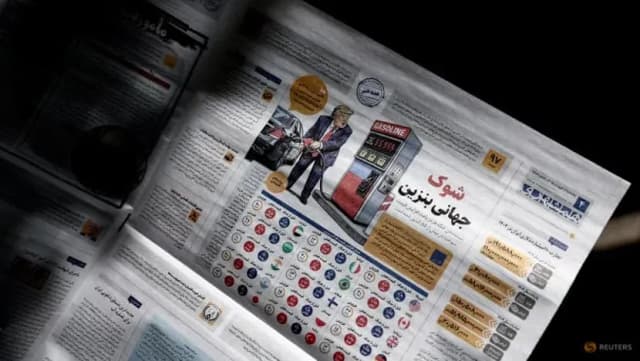
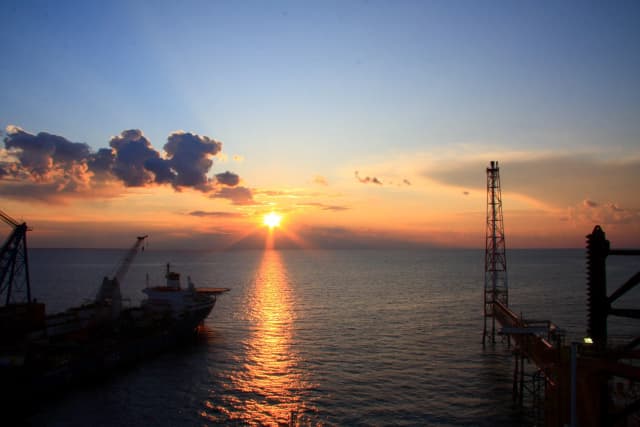
The Strait of Hormuz explains why this dispute carries consequences far beyond rhetoric. Trump tied any possible ceasefire to the waterway being reopened, and AP described the strait as the world’s most important artery for oil shipments. According to AP’s live coverage, traffic through the strait has fallen by 90% since the start of the Iran war, helping send oil prices higher and tightening supply conditions for Asian economies that rely heavily on Gulf energy flows.Trump claims Iran’s president wants a ceasefire, Iran says that’s ‘false’apnews.com·SecondaryU.S. President Donald Trump claimed Iran wants a ceasefire, but Iran called that ‘false and baseless’ Israel’s emergency services say a 12-year-old and two 7-month-olds were mildly injured from shattered glass in central Israel in the first launch of missiles Thursday from Iran. A 24-year-old was also mildly injured in the same overnight incident in Bnei Brak, a city east of Tel Aviv that’s been struck repeatedly during the war, according to Magen David Adom rescue services. Humanitarian groups also warned of broader effects, with aid shipments delayed and concerns rising about food security in vulnerable countries if maritime disruption persists.Trump claims Iran’s president wants a ceasefire, Iran says that’s ‘false’apnews.com·SecondaryU.S. President Donald Trump claimed Iran wants a ceasefire, but Iran called that ‘false and baseless’ Israel’s emergency services say a 12-year-old and two 7-month-olds were mildly injured from shattered glass in central Israel in the first launch of missiles Thursday from Iran. A 24-year-old was also mildly injured in the same overnight incident in Bnei Brak, a city east of Tel Aviv that’s been struck repeatedly during the war, according to Magen David Adom rescue services. In other words, the ceasefire argument is happening on top of a real contest over shipping, energy leverage and international pressure.
That broader international dimension is becoming harder for the White House to contain inside a simple America-versus-Iran frame. NATO Secretary-General Mark Rutte is scheduled to visit Washington next week as Trump keeps criticizing alliance members for refusing to join the U.S. effort to reopen the strait. Senate Republican Mitch McConnell and Democratic Senator Chris Coons defended NATO in a joint statement, calling it the most successful military alliance in history and stressing that Americans are safer when the alliance is strong and united. British Prime Minister Keir Starmer said the United Kingdom remained fully committed to NATO and announced diplomatic work around maritime security. China, meanwhile, said it would stay in close communication with Pakistan and other parties and support efforts to open a window for peace talks.Trump claims Iran’s president wants a ceasefire, Iran says that’s ‘false’apnews.com·SecondaryU.S. President Donald Trump claimed Iran wants a ceasefire, but Iran called that ‘false and baseless’ Israel’s emergency services say a 12-year-old and two 7-month-olds were mildly injured from shattered glass in central Israel in the first launch of missiles Thursday from Iran. A 24-year-old was also mildly injured in the same overnight incident in Bnei Brak, a city east of Tel Aviv that’s been struck repeatedly during the war, according to Magen David Adom rescue services. Those reactions show that U.S. pressure has not produced anything close to a unified coalition behind Trump’s approach.Trump claims Iran’s president wants a ceasefire, Iran says that’s ‘false’apnews.com·SecondaryU.S. President Donald Trump claimed Iran wants a ceasefire, but Iran called that ‘false and baseless’ Israel’s emergency services say a 12-year-old and two 7-month-olds were mildly injured from shattered glass in central Israel in the first launch of missiles Thursday from Iran. A 24-year-old was also mildly injured in the same overnight incident in Bnei Brak, a city east of Tel Aviv that’s been struck repeatedly during the war, according to Magen David Adom rescue services.
There is also a domestic political reason Trump may want the public to believe Iran is asking for a ceasefire. AP said polling shows many Americans think the U.S. military has gone too far in Iran, even as the administration insists its objectives are being met. Fuel costs, volatile markets and uncertainty around war aims all make the conflict harder to sustain politically if the public begins to see it as open-ended. A president arguing that the enemy is already seeking terms can portray escalation as proof of strength and frame any eventual pause as capitulation by the other side rather than a compromise by Washington.Trump claims Iran wants a ceasefire, Iran says remarks are ‘false and baseless’france24.com·SecondaryTo display this content from YouTube, you must enable advertisement tracking and audience measurement. One of your browser extensions seems to be blocking the video player from loading. To watch this content, you may need to disable it on this site. Donald Trump has claimed that Iran has asked the United States for a ceasefire -- adding that Washington would only consider it when the Strait of Hormuz reopens. That is a powerful message domestically even if the underlying diplomatic picture is murky.
Critics of Trump’s handling of the war say this is exactly the problem: the administration’s language often races ahead of independently verified facts, while the strategic objectives keep shifting in public. AP’s reporting noted that Trump’s comments have ranged from destroying missile production and Iran’s navy to stopping nuclear progress, reopening Hormuz and pressuring allies to share the burden. European leaders have pushed for calm and free passage rather than publicly aligning themselves with Trump’s more sweeping rhetoric. Iranian officials, meanwhile, are using the same uncertainty to argue that the United States entered the war as a proxy for Israel and lacks a clear legal or political end state.Trump claims Iran’s president wants a ceasefire, Iran says that’s ‘false’apnews.com·SecondaryU.S. President Donald Trump claimed Iran wants a ceasefire, but Iran called that ‘false and baseless’ Israel’s emergency services say a 12-year-old and two 7-month-olds were mildly injured from shattered glass in central Israel in the first launch of missiles Thursday from Iran. A 24-year-old was also mildly injured in the same overnight incident in Bnei Brak, a city east of Tel Aviv that’s been struck repeatedly during the war, according to Magen David Adom rescue services. Supporters of Trump counter that blunt messaging and hard deadlines are part of coercive bargaining, and that public ambiguity can be useful when Washington wants to keep Tehran off balance.Trump claims Iran’s president wants a ceasefire, Iran says that’s ‘false’apnews.com·SecondaryU.S. President Donald Trump claimed Iran wants a ceasefire, but Iran called that ‘false and baseless’ Israel’s emergency services say a 12-year-old and two 7-month-olds were mildly injured from shattered glass in central Israel in the first launch of missiles Thursday from Iran. A 24-year-old was also mildly injured in the same overnight incident in Bnei Brak, a city east of Tel Aviv that’s been struck repeatedly during the war, according to Magen David Adom rescue services.
Officially, then, the war now sits in a familiar but unstable middle ground. Trump says Iran wants a ceasefire and that the United States is close to completing its goals. Iran says the ceasefire claim is false and insists it will endure aggression and continue responding. Missiles are still flying, civilians are still being injured, the Strait of Hormuz remains at the center of a global energy shock, and U.S. allies are still signaling support for de-escalation without embracing Trump’s full posture. The most realistic reading at this stage is that both governments are conducting politics in public while keeping their real red lines harder to see.Trump claims Iran wants a ceasefire, Iran says remarks are ‘false and baseless’france24.com·SecondaryTo display this content from YouTube, you must enable advertisement tracking and audience measurement. One of your browser extensions seems to be blocking the video player from loading. To watch this content, you may need to disable it on this site. Donald Trump has claimed that Iran has asked the United States for a ceasefire -- adding that Washington would only consider it when the Strait of Hormuz reopens.
What happens next will depend less on rhetorical flourish than on whether actions begin to match any talk of a pause. If missile attacks continue, shipping remains constrained and Washington keeps threatening new strikes, the ceasefire claim will look more like positioning than diplomacy. If indirect contacts begin to produce practical moves around maritime access or strike reduction, Trump will argue he forced that shift through pressure, while Tehran will try to deny it yielded under duress. For now, the evidence available in the cluster supports only a narrower conclusion: the president of the United States says Iran wants a ceasefire, Iran publicly says that is untrue, and the war itself is still escalating in plain sight.Trump claims Iran wants a ceasefire, Iran says remarks are ‘false and baseless’france24.com·SecondaryTo display this content from YouTube, you must enable advertisement tracking and audience measurement. One of your browser extensions seems to be blocking the video player from loading. To watch this content, you may need to disable it on this site. Donald Trump has claimed that Iran has asked the United States for a ceasefire -- adding that Washington would only consider it when the Strait of Hormuz reopens.
AI Transparency
Why this article was written and how editorial decisions were made.
Why This Topic
This cluster is publishable because it captures a consequential geopolitical hinge point rather than a routine battlefield update. A U.S. president publicly claiming that Iran wants a ceasefire, while Tehran immediately denies it, is inherently newsworthy: it affects perceptions of war aims, diplomacy, market risk and alliance politics. The dispute also sits directly on top of the Strait of Hormuz question, which broadens the story beyond rhetoric into global energy and shipping consequences.
Source Selection
The source set is lean but strong enough for a tightly framed article. France 24 establishes the core trigger event — Trump’s ceasefire claim, the Hormuz condition and Iran’s immediate rejection. AP supplies the broader factual frame: fresh missile attacks, casualty details, Trump’s speech, Iranian counter-messaging, NATO friction and the international energy and shipping backdrop. Because the article stays close to those verified elements and paraphrases rather than overreaching, the available evidence supports a solid, balanced draft.
Editorial Decisions
Tone kept descriptive and restrained. The piece gives Trump’s claim and Iran’s denial equal prominence, then widens out to the military, alliance and energy implications without adopting either side’s preferred framing. Conservative and institutional-skeptical readers are served by explicitly noting the gap between public messaging and verifiable developments, while still including official U.S., Iranian, NATO and allied positions.
Reader Ratings
About the Author
Sources
- 1.france24.comSecondary
- 2.apnews.comSecondary
Editorial Reviews
1 approved · 0 rejectedPrevious Draft Feedback (1)
Warnings: • [article_quality] Gate check failed: Service request failed. Status: 502 (Bad Gateway) • [image_relevance] Image relevance check failed: Service request failed. Status: 502 (Bad Gateway)

Discussion (0)
No comments yet.