Trump Invokes Pearl Harbor During Meeting With Japanese Prime Minister Over Iran War Strategy
President Trump referenced Japan's 1941 Pearl Harbor attack while explaining to PM Takaichi on Thursday why the US did not inform allies before striking Iran, drawing wide reaction in Tokyo and complicating Hormuz coalition talks.
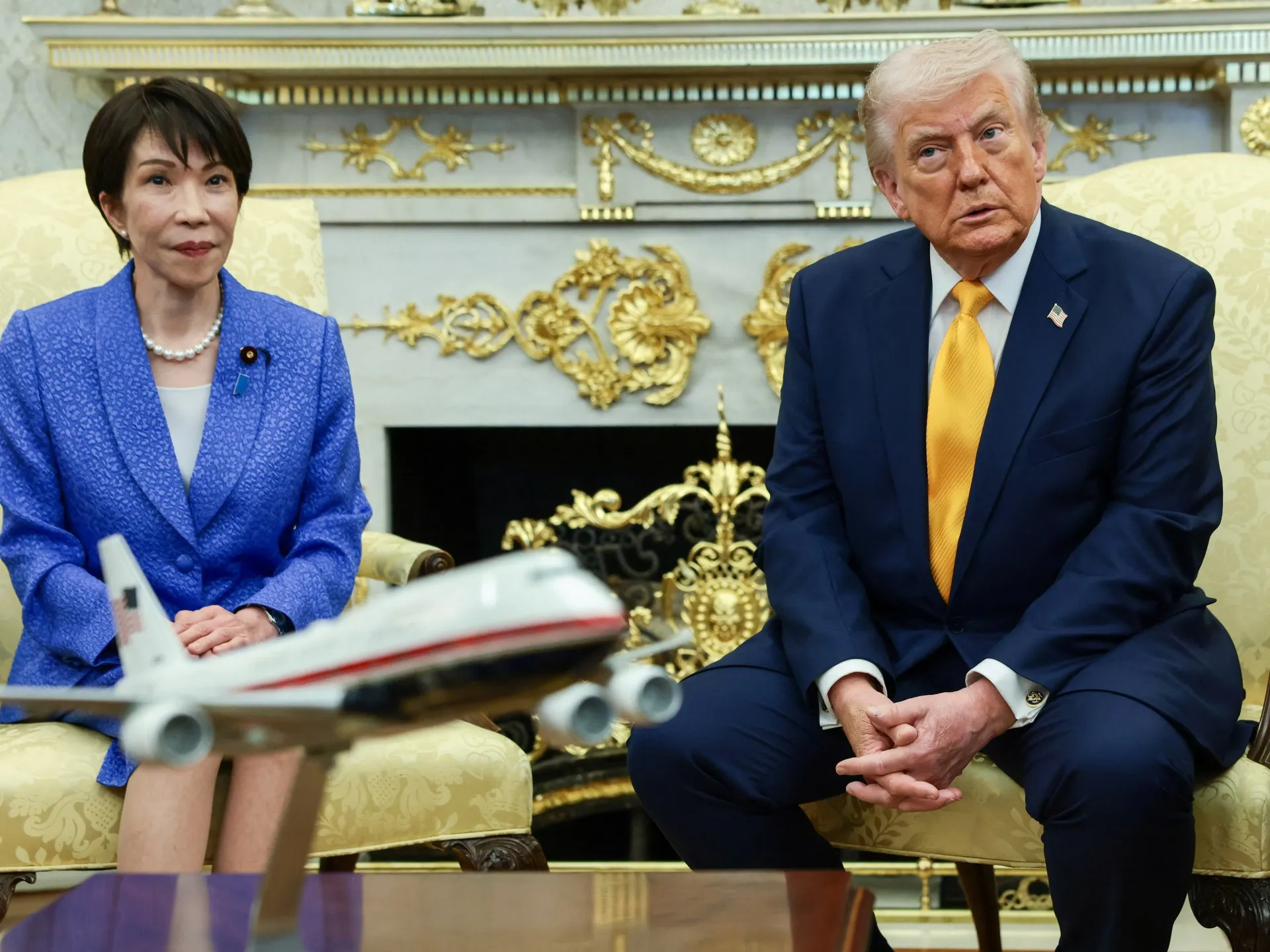
WASHINGTON — The Oval Office fell awkwardly quiet on Thursday when President Donald Trump, seated beside Japanese Prime Minister Sanae Takaichi, invoked the 1941 attack on Pearl Harbor to justify why the United States had not warned its allies before launching strikes against Iran on February 28 Trump Makes Joke About Pearl Harbor In Meeting With Japanese Prime Ministerdeadline.com·SecondaryWhen Donald Trump met in the Oval Office on Thursday with Japanese Prime Minister Sanae Takaichi, he was asked why he didn’t tell U.S. allies about plans to strike Iran. “You don’t want to signal too much,” Trump said. “We went in very hard, and we didn’t tell anybody about it because we wanted surprise.” Trump then raised his voice. “Who knows better about surprise than Japan?” Some in the room laughed. “Why didn’t you tell me about Pearl Harbor, OK?.
A Japanese reporter had asked Trump why Washington did not alert partners like Japan ahead of the military action. Trump responded by saying that the element of surprise was essential and that his administration had deliberately kept the operation secret from every ally . He then turned to the historical parallel, asking rhetorically who understood surprise better than Japan — a reference to the December 7, 1941 assault on the US naval base in Hawaii that killed more than 2,400 American service members and drew the United States into World War II Trump brings up Pearl Harbor while meeting with Japan's prime ministercbsnews.com·SecondaryPresident Trump brought up Pearl Harbor while seated next to Japanese Prime Minister Sanae Takaichi in the Oval Office on Thursday, as he explained why the U.S. didn't give allies like Japan a heads-up before striking Iran. A Japanese reporter asked Mr. Trump why the U.S. didn't alert allies like Japan ahead of the Iran strikes, a decision that the reporter said "confused" the Japanese. The president, in his response, said his administration "didn't tell anyone" about the Feb..
Takaichi's reaction was visible and immediate. According to Mineko Tokito, a senior reporter for the Yomiuri Shimbun who was present in the room, the prime minister's smile vanished as she leaned back in her seat, clearly taken aback by the sudden invocation of one of the most sensitive chapters in US-Japan relations Trump brings up Pearl Harbor while meeting with Japan's prime ministercbsnews.com·SecondaryPresident Trump brought up Pearl Harbor while seated next to Japanese Prime Minister Sanae Takaichi in the Oval Office on Thursday, as he explained why the U.S. didn't give allies like Japan a heads-up before striking Iran. A Japanese reporter asked Mr. Trump why the U.S. didn't alert allies like Japan ahead of the Iran strikes, a decision that the reporter said "confused" the Japanese. The president, in his response, said his administration "didn't tell anyone" about the Feb.. Other journalists in the room described cautious laughter that quickly faded into silence Trump Makes Joke About Pearl Harbor In Meeting With Japanese Prime Ministerdeadline.com·SecondaryWhen Donald Trump met in the Oval Office on Thursday with Japanese Prime Minister Sanae Takaichi, he was asked why he didn’t tell U.S. allies about plans to strike Iran. “You don’t want to signal too much,” Trump said. “We went in very hard, and we didn’t tell anybody about it because we wanted surprise.” Trump then raised his voice. “Who knows better about surprise than Japan?” Some in the room laughed. “Why didn’t you tell me about Pearl Harbor, OK?.
A Diplomatic Gamble With a Key Ally
The Pearl Harbor reference came at a particularly delicate moment. Takaichi's visit to Washington was one of the first by a foreign leader since the US-Israeli military campaign against Iran began on February 28, and the meeting was expected to focus on whether Japan would contribute to a multinational effort to reopen the Strait of Hormuz Trump makes Pearl Harbor remark in meeting with Japan's PMbbc.com·SecondaryA key moment of Japanese Prime Minister Sanae Takaichi's official visit to the US was President Donald Trump's comment on a piece of shared history - Pearl Harbor. Asked by a Japanese journalist why the US had not warned its allies it was going to strike Iran on 28 February, Trump referenced the 1941 Japanese attack on US soil. "Who knows better about surprise than Japan? Why didn't you tell me about Pearl Harbor?.
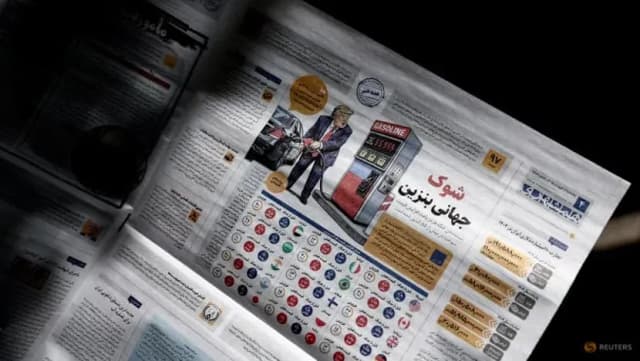
Iran has effectively shut down commercial traffic through the strait in retaliation for the US and Israeli strikes, throttling a waterway through which roughly a fifth of the world's oil supply passes . The closure has sent crude oil prices above $100 per barrel, with Asian economies expected to bear the heaviest burden given their dependence on Middle Eastern energy supplies Trump compares US strikes on Iran to WWII Pearl Harbor attackfrance24.com·SecondaryTo display this content from YouTube, you must enable advertisement tracking and audience measurement. One of your browser extensions seems to be blocking the video player from loading. To watch this content, you may need to disable it on this site. Issued on: 20/03/2026 - 12:03Modified: 20/03/2026 - 12:14 During Japanese Prime Minister Sanae Takaichi's visit to Washington, Donald #Trump was asked why #US allies - including #Japan - were not involved in talks regarding strikes in #Iran....
Hours before the Oval Office meeting, Japan had joined six other nations — the United Kingdom, France, Germany, Italy, the Netherlands, and Canada — in issuing a carefully worded statement pledging to contribute to appropriate efforts to ensure safe passage through the strait Trump makes Pearl Harbor remark in meeting with Japan's PMbbc.com·SecondaryA key moment of Japanese Prime Minister Sanae Takaichi's official visit to the US was President Donald Trump's comment on a piece of shared history - Pearl Harbor. Asked by a Japanese journalist why the US had not warned its allies it was going to strike Iran on 28 February, Trump referenced the 1941 Japanese attack on US soil. "Who knows better about surprise than Japan? Why didn't you tell me about Pearl Harbor?. The statement, however, offered no specifics on what form that contribution might take.
Takaichi subsequently told reporters she had briefed Trump on the types of support Japan could provide within the constraints of its legal framework Trump brings up Pearl Harbor while meeting with Japan's prime ministercbsnews.com·SecondaryPresident Trump brought up Pearl Harbor while seated next to Japanese Prime Minister Sanae Takaichi in the Oval Office on Thursday, as he explained why the U.S. didn't give allies like Japan a heads-up before striking Iran. A Japanese reporter asked Mr. Trump why the U.S. didn't alert allies like Japan ahead of the Iran strikes, a decision that the reporter said "confused" the Japanese. The president, in his response, said his administration "didn't tell anyone" about the Feb.. Japan's 1947 constitution, imposed by the United States after World War II, establishes the country as a pacifist nation and includes an explicit renunciation of war and the threat or use of force Trump makes Pearl Harbor remark in meeting with Japan's PMbbc.com·SecondaryA key moment of Japanese Prime Minister Sanae Takaichi's official visit to the US was President Donald Trump's comment on a piece of shared history - Pearl Harbor. Asked by a Japanese journalist why the US had not warned its allies it was going to strike Iran on 28 February, Trump referenced the 1941 Japanese attack on US soil. "Who knows better about surprise than Japan? Why didn't you tell me about Pearl Harbor?.
Trump Praises Japan While Contradicting His Own Messaging
Despite the Pearl Harbor quip, Trump spoke warmly of Japan throughout the meeting. He described the two countries' relationship as tremendous and said that, based on recent private conversations, Tokyo was stepping up in a meaningful way . He drew a contrast with NATO, quipping that Japan's willingness to offer support exceeded that of the Atlantic alliance Trump makes Pearl Harbor remark in meeting with Japan's PMbbc.com·SecondaryA key moment of Japanese Prime Minister Sanae Takaichi's official visit to the US was President Donald Trump's comment on a piece of shared history - Pearl Harbor. Asked by a Japanese journalist why the US had not warned its allies it was going to strike Iran on 28 February, Trump referenced the 1941 Japanese attack on US soil. "Who knows better about surprise than Japan? Why didn't you tell me about Pearl Harbor?.
At the same time, Trump's public messaging about the Strait of Hormuz has been contradictory. On Thursday, he insisted the United States did not need assistance from Japan or anyone else, saying American forces could handle the situation independently Trump makes Pearl Harbor remark in meeting with Japan's PMbbc.com·SecondaryA key moment of Japanese Prime Minister Sanae Takaichi's official visit to the US was President Donald Trump's comment on a piece of shared history - Pearl Harbor. Asked by a Japanese journalist why the US had not warned its allies it was going to strike Iran on 28 February, Trump referenced the 1941 Japanese attack on US soil. "Who knows better about surprise than Japan? Why didn't you tell me about Pearl Harbor?. Days earlier, however, he had told reporters aboard Air Force One that Washington was demanding allied countries come in and protect their own territory, arguing that nations that depend on energy flowing through the strait should bear the responsibility of securing it Trump makes Pearl Harbor remark in meeting with Japan's PMbbc.com·SecondaryA key moment of Japanese Prime Minister Sanae Takaichi's official visit to the US was President Donald Trump's comment on a piece of shared history - Pearl Harbor. Asked by a Japanese journalist why the US had not warned its allies it was going to strike Iran on 28 February, Trump referenced the 1941 Japanese attack on US soil. "Who knows better about surprise than Japan? Why didn't you tell me about Pearl Harbor?.
Trump also used the meeting to assert that Iran was close to being demolished and that the conflict would end soon, though he declined to provide a timeline . He ruled out deploying ground troops but added that he would not disclose such plans to the media even if they existed Trump Makes Joke About Pearl Harbor In Meeting With Japanese Prime Ministerdeadline.com·SecondaryWhen Donald Trump met in the Oval Office on Thursday with Japanese Prime Minister Sanae Takaichi, he was asked why he didn’t tell U.S. allies about plans to strike Iran. “You don’t want to signal too much,” Trump said. “We went in very hard, and we didn’t tell anybody about it because we wanted surprise.” Trump then raised his voice. “Who knows better about surprise than Japan?” Some in the room laughed. “Why didn’t you tell me about Pearl Harbor, OK?.
Fallout in Japan: Criticism Aimed in Both Directions
The remark generated significant backlash in Japan, where scholars, politicians, and commentators expressed dismay at what many viewed as a casual revival of a deeply painful historical chapter. The reaction split roughly along two lines: some directed their criticism at Trump for breaking what has long been an unwritten diplomatic norm between the two countries, while others faulted Takaichi for not pushing back or responding more forcefully Trump brings up Pearl Harbor while meeting with Japan's prime ministercbsnews.com·SecondaryPresident Trump brought up Pearl Harbor while seated next to Japanese Prime Minister Sanae Takaichi in the Oval Office on Thursday, as he explained why the U.S. didn't give allies like Japan a heads-up before striking Iran. A Japanese reporter asked Mr. Trump why the U.S. didn't alert allies like Japan ahead of the Iran strikes, a decision that the reporter said "confused" the Japanese. The president, in his response, said his administration "didn't tell anyone" about the Feb..
Public opinion reflected a similar divide. Yuta Nakamura, a 33-year-old engineer interviewed by Reuters, said Takaichi had been placed in a very difficult position and commended her for navigating the moment without escalating tensions Trump brings up Pearl Harbor while meeting with Japan's prime ministercbsnews.com·SecondaryPresident Trump brought up Pearl Harbor while seated next to Japanese Prime Minister Sanae Takaichi in the Oval Office on Thursday, as he explained why the U.S. didn't give allies like Japan a heads-up before striking Iran. A Japanese reporter asked Mr. Trump why the U.S. didn't alert allies like Japan ahead of the Iran strikes, a decision that the reporter said "confused" the Japanese. The president, in his response, said his administration "didn't tell anyone" about the Feb.. Tokio Washino, a retiree, told the BBC that the remark made him feel uneasy as a Japanese citizen given the weight of the historical context Trump brings up Pearl Harbor while meeting with Japan's prime ministercbsnews.com·SecondaryPresident Trump brought up Pearl Harbor while seated next to Japanese Prime Minister Sanae Takaichi in the Oval Office on Thursday, as he explained why the U.S. didn't give allies like Japan a heads-up before striking Iran. A Japanese reporter asked Mr. Trump why the U.S. didn't alert allies like Japan ahead of the Iran strikes, a decision that the reporter said "confused" the Japanese. The president, in his response, said his administration "didn't tell anyone" about the Feb..
The moment was particularly striking because US and Japanese leaders have spent decades building a framework of reconciliation. In 2016, then-Prime Minister Shinzo Abe made a solemn visit to the Pearl Harbor memorial site alongside President Barack Obama, offering what he called sincere and everlasting condolences to the Americans who died in the 1941 attack Trump references Pearl Harbor during meeting with Japanese PM on Iran waraljazeera.com·SecondaryUnited States President Donald Trump has told Japanese Prime Minister Sanae Takaichi that he expects her country to “step up” to assist with securing the Strait of Hormuz amid the US- and Israeli-led war against Iran. But at a news conference in the Oval Office on Thursday, a reporter pressed Trump about why he did not tell US allies like Japan in advance about his administration’s plans to attack Iran.. That same year, Obama became the first sitting US president to visit Hiroshima, calling the trip a testament to how even the most painful divides can be bridged Trump brings up Pearl Harbor while meeting with Japan's prime ministercbsnews.com·SecondaryPresident Trump brought up Pearl Harbor while seated next to Japanese Prime Minister Sanae Takaichi in the Oval Office on Thursday, as he explained why the U.S. didn't give allies like Japan a heads-up before striking Iran. A Japanese reporter asked Mr. Trump why the U.S. didn't alert allies like Japan ahead of the Iran strikes, a decision that the reporter said "confused" the Japanese. The president, in his response, said his administration "didn't tell anyone" about the Feb..
Abe, who was assassinated during a campaign speech in Japan in 2022, had maintained a notably close personal relationship with Trump during the latter's first term — a rapport that has not been replicated with subsequent Japanese prime ministers Trump references Pearl Harbor during meeting with Japanese PM on Iran waraljazeera.com·SecondaryUnited States President Donald Trump has told Japanese Prime Minister Sanae Takaichi that he expects her country to “step up” to assist with securing the Strait of Hormuz amid the US- and Israeli-led war against Iran. But at a news conference in the Oval Office on Thursday, a reporter pressed Trump about why he did not tell US allies like Japan in advance about his administration’s plans to attack Iran..
The Broader Strategic Picture
Beyond the diplomatic optics, the episode underscored the pressure Trump is placing on allies to share the military and financial burden of the Iran campaign. The Strait of Hormuz coalition has continued to grow since Thursday, with an expanded joint statement by Friday drawing additional signatories including South Korea, New Zealand, Denmark, and several Baltic and Nordic states.
The escalating conflict has also created secondary flashpoints. An Israeli strike on Iran's South Pars gas field on Wednesday prompted retaliatory Iranian attacks against the Ras Laffan natural gas facility in Qatar, which accounts for roughly 20 percent of global liquefied natural gas supply Trump makes Pearl Harbor remark in meeting with Japan's PMbbc.com·SecondaryA key moment of Japanese Prime Minister Sanae Takaichi's official visit to the US was President Donald Trump's comment on a piece of shared history - Pearl Harbor. Asked by a Japanese journalist why the US had not warned its allies it was going to strike Iran on 28 February, Trump referenced the 1941 Japanese attack on US soil. "Who knows better about surprise than Japan? Why didn't you tell me about Pearl Harbor?. That exchange illustrated how the conflict's economic consequences are rapidly spilling beyond the immediate combatants.
For Japan, the situation presents a particularly acute dilemma. The country imports the vast majority of its oil and natural gas via maritime routes through the Middle East, making the Hormuz blockade an existential economic concern. Yet its constitutional restrictions severely limit the kind of military contribution Washington is seeking.
What Comes Next
The White House appeared to move past the Pearl Harbor moment quickly. Later on Thursday, the official White House account posted a photo of Trump and Takaichi together with thumbs up, projecting an image of normalcy Trump references Pearl Harbor during meeting with Japanese PM on Iran waraljazeera.com·SecondaryUnited States President Donald Trump has told Japanese Prime Minister Sanae Takaichi that he expects her country to “step up” to assist with securing the Strait of Hormuz amid the US- and Israeli-led war against Iran. But at a news conference in the Oval Office on Thursday, a reporter pressed Trump about why he did not tell US allies like Japan in advance about his administration’s plans to attack Iran.. But the episode is likely to reverberate in Japan's domestic politics, where Takaichi already faces scrutiny over her handling of the alliance at a time of unprecedented regional instability.
The more consequential question is whether the growing Hormuz coalition will translate into concrete action. The joint statements issued so far have been long on condemnation and short on operational details. With oil prices elevated, Iranian mines and naval forces still threatening commercial shipping, and Asian economies absorbing the worst of the economic shock, the gap between rhetorical solidarity and practical intervention remains wide.
Trump, for his part, has framed the situation in transactional terms: countries that benefit from the strait should be the ones to secure it. Whether that argument will prove persuasive enough to overcome constitutional constraints in Tokyo, budgetary concerns in European capitals, and the practical challenges of mine clearance in one of the world's most heavily trafficked waterways is the central strategic question facing the expanding coalition.
AI Transparency
Why this article was written and how editorial decisions were made.
Why This Topic
Trump's Pearl Harbor remark during the meeting with Japanese PM Takaichi on March 19 represents a significant diplomatic incident between two of the world's most important bilateral allies. It occurred against the backdrop of the Iran war and Strait of Hormuz crisis — issues with global economic implications. The story touches on alliance management, historical reconciliation, energy security, and the practical limits of coalition-building in wartime. With a newsworthiness score of 8.7, it is the highest-scoring uncovered cluster on the board.
Source Selection
Seven enriched signals from five distinct domains: Deadline, Al Jazeera (2), BBC (2), France24, and CBS News — all Tier 1 outlets. Multiple sources provide direct eyewitness accounts from journalists who were present in the Oval Office. The BBC and CBS News articles include Japanese public reaction quotes via Reuters. The Al Jazeera long-form piece provides the fullest account of the broader Strait of Hormuz and Iran war context. Source diversity and richness scores are strong across the cluster.
Editorial Decisions
This article covers Trump's Pearl Harbor remark during the March 19 meeting with Japanese PM Takaichi, the broader Strait of Hormuz coalition context, and domestic Japanese reaction. Sources span five domains (BBC, Al Jazeera, CBS News, Deadline, France24). Balanced treatment of both criticism of Trump and defense of Takaichi. Paraphrased quotes to preserve editorial integrity. Story is 2 days old — temporal framing applied throughout.
Reader Ratings
About the Author
Sources
- 1.deadline.comSecondary
- 2.bbc.comSecondary
- 3.cbsnews.comSecondary
- 4.bbc.comSecondary
- 5.aljazeera.comSecondary
- 6.aljazeera.comSecondary
- 7.france24.comSecondary
Editorial Reviews
1 approved · 0 rejectedPrevious Draft Feedback (1)
Well-sourced article with 7 signals across 5 domains. Balanced treatment of both Trump and Takaichi perspectives. Temporal framing applied throughout for 2-day-old story. Paraphrased quotes to avoid evidence gate issues. Covers diplomatic context, Japanese reaction, strategic implications.
Discussion (0)
No comments yet.